

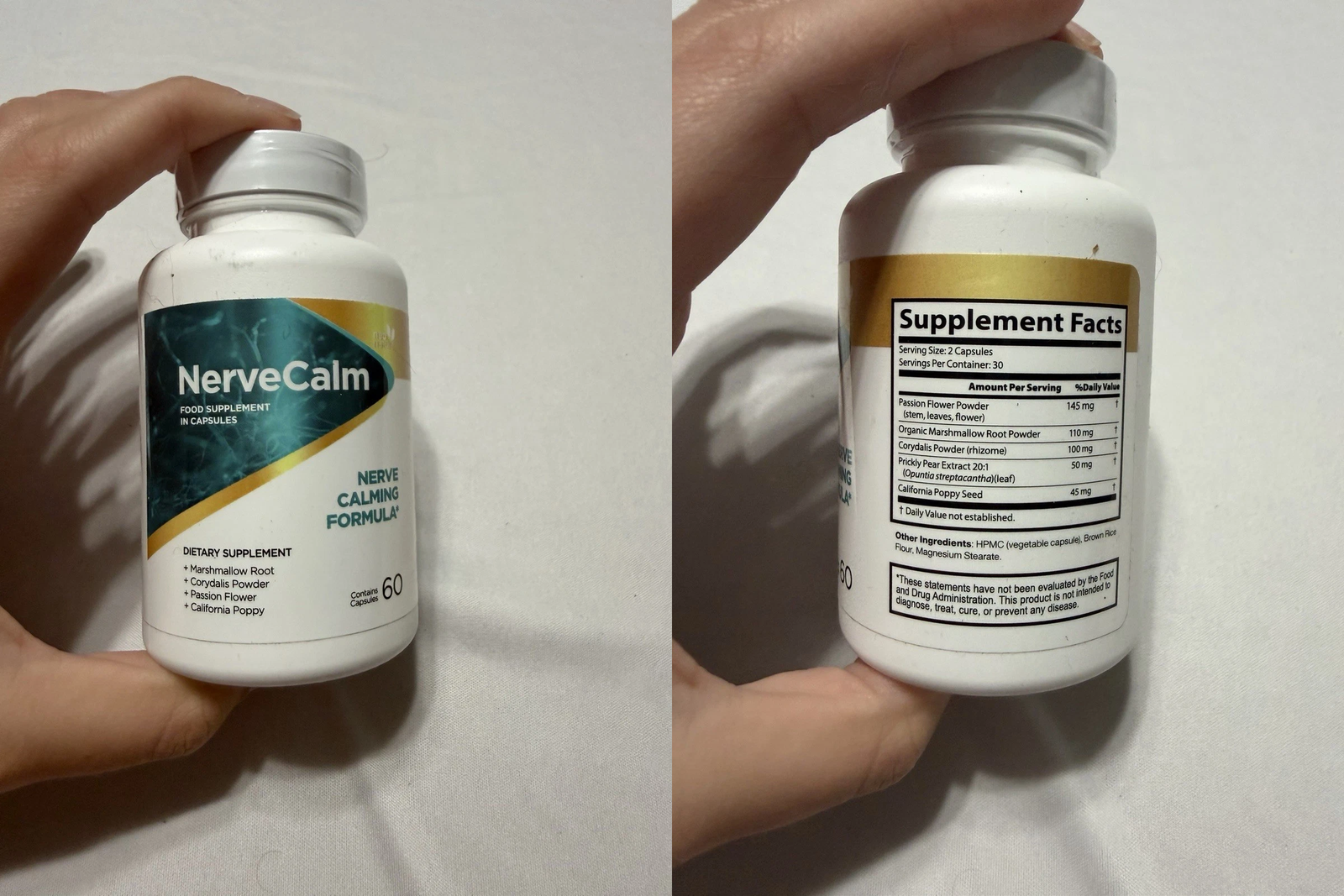
Nerve discomfort has a way of affecting almost everything, from walking comfortably and staying active to relaxing at night. Tingling, burning sensations, numbness, and unusual sensitivity can make ordinary activities frustrating. With growing interest in plant-based nerve support, NerveCalm has attracted attention for its botanical approach to nervous-system wellness.
What caught my attention was its combination of traditional calming herbs, antioxidant-rich plants, and ingredients associated with pain-signaling pathways. Rather than relying on conventional vitamin-based formulations, the supplement takes a different approach to supporting everyday nerve comfort.
This is my detailed, research-based review of what I discovered about NerveCalm, including its proposed results, ingredients, potential benefits, side effects, recommended dosage, and whether it appears to be a scam or legitimate product. I’ll also examine the scientific evidence, compare competing supplements, and explain the considerations I believe matter most before purchasing.
NerveCalm Product Overview
Before examining individual ingredients, I want to establish exactly what this supplement offers. The following overview summarizes its formulation, intended uses, purchasing options, and consumer protections.
| Product Detail | Description |
|---|---|
| Product Name | NerveCalm |
| Category | Botanical nerve-support dietary supplement |
| Primary Purpose | Supports nerve comfort, nervous-system wellness, and relaxation |
| Product Format | Oral capsules |
| Key Ingredients | Passion flower, organic marshmallow root, corydalis rhizome, prickly pear extract, and California poppy seed |
| Recommended Dosage | 2 capsules daily, following the purchased bottle’s label |
| Supply | Typically 60 capsules per bottle, representing approximately 30 days |
| Intended Users | Adults seeking complementary support for occasional nerve discomfort and general nervous-system wellness |
| Advertised Pricing | Approximately $69 for one bottle, $177 for three, or $294 for six on one reviewed sales page; offers may vary |
| Money-Back Guarantee | 90 days under the reviewed offer; confirm the applicable checkout terms |
| Overall Editorial Rating | 4.4/5 — ★★★★☆ |
| Official Website | ✅ Click Here |
My initial impression is favorable toward the formula’s emphasis on botanical variety and convenient daily use. However, the supplement’s value depends on whether its ingredients suit your needs, how you respond to them, and which purchasing terms apply to your order.
What Is NerveCalm?
NerveCalm is a natural nerve-support supplement formulated with plant-derived ingredients traditionally associated with relaxation, discomfort management, and cellular protection. It is marketed toward adults experiencing occasional tingling, burning sensations, sensitivity, or other concerns affecting their everyday comfort.
The product’s promotional information attributes its development to research scientist David Moore and physician Dr. Tyler Baker. I could not independently establish their involvement from clinical publications or professional development records, so I consider that attribution a manufacturer claim rather than verified scientific endorsement.
Its most distinctive characteristic is its botanical approach. Instead of centering exclusively on B vitamins or alpha-lipoic acid, the formula incorporates passion flower, corydalis, marshmallow root, prickly pear, and California poppy. These ingredients have different traditional uses and biological properties, creating a broader wellness-oriented formulation.
The manufacturer also promotes nerve repair, improved sleep, mood support, and cognitive benefits. These claims extend beyond what has been demonstrated for the complete product. Nevertheless, the combination makes NerveCalm an interesting option for people who specifically prefer herbal supplementation alongside appropriate medical care.
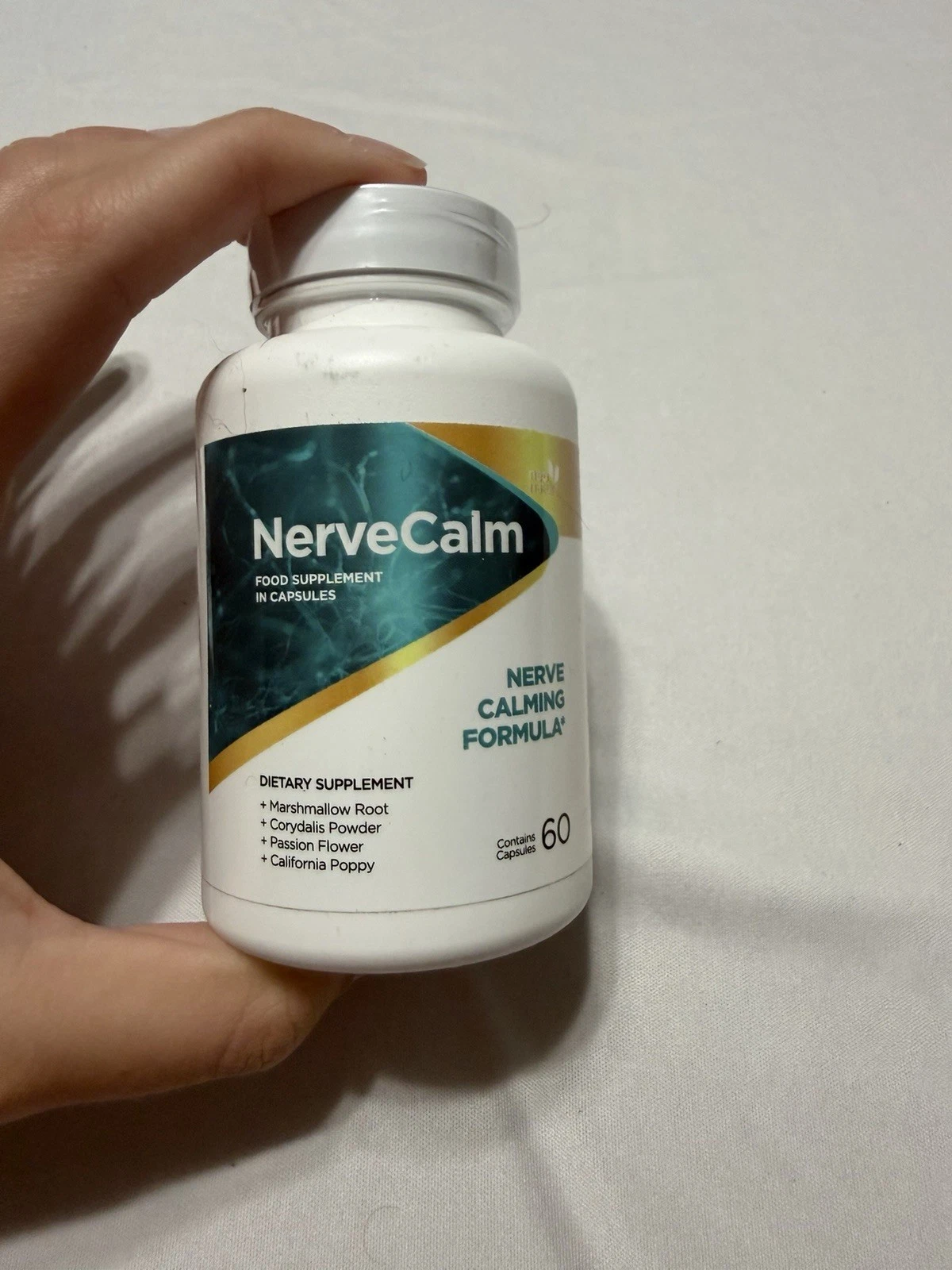
How NerveCalm Is Designed to Support Nerve Comfort
The concept behind NerveCalm involves supporting several processes associated with nervous-system function instead of targeting one isolated symptom.
First, certain botanical compounds may influence pathways involved in the perception of discomfort. Corydalis, for example, contains alkaloids studied for their interactions with neurological signaling systems. This provides a plausible research foundation for investigating its potential applications.
Second, ingredients such as prickly pear contain compounds with antioxidant activity. Oxidative stress can contribute to cellular dysfunction, including in nervous tissue, although antioxidant properties observed in laboratory studies do not automatically establish clinical benefits in supplement users.
Finally, calming plants such as passion flower may support relaxation and sleep-related comfort. This is relevant because persistent discomfort and poor sleep can reinforce one another, making everyday symptoms harder to manage.
One marketing explanation refers to removing sticky nerve plaques. I found no established clinical evidence that NerveCalm eliminates such plaques or regenerates damaged nerves in humans. My interpretation is that its more realistic role is complementary botanical support, not replacement treatment for diagnosed neuropathy.
NerveCalm Ingredients: My Detailed Formula Analysis
The formulation is central to my assessment because its individual botanicals provide the clearest indication of what the supplement is designed to accomplish. I examined the five supplied ingredients individually, considering their traditional applications, known compounds, and research relevance.
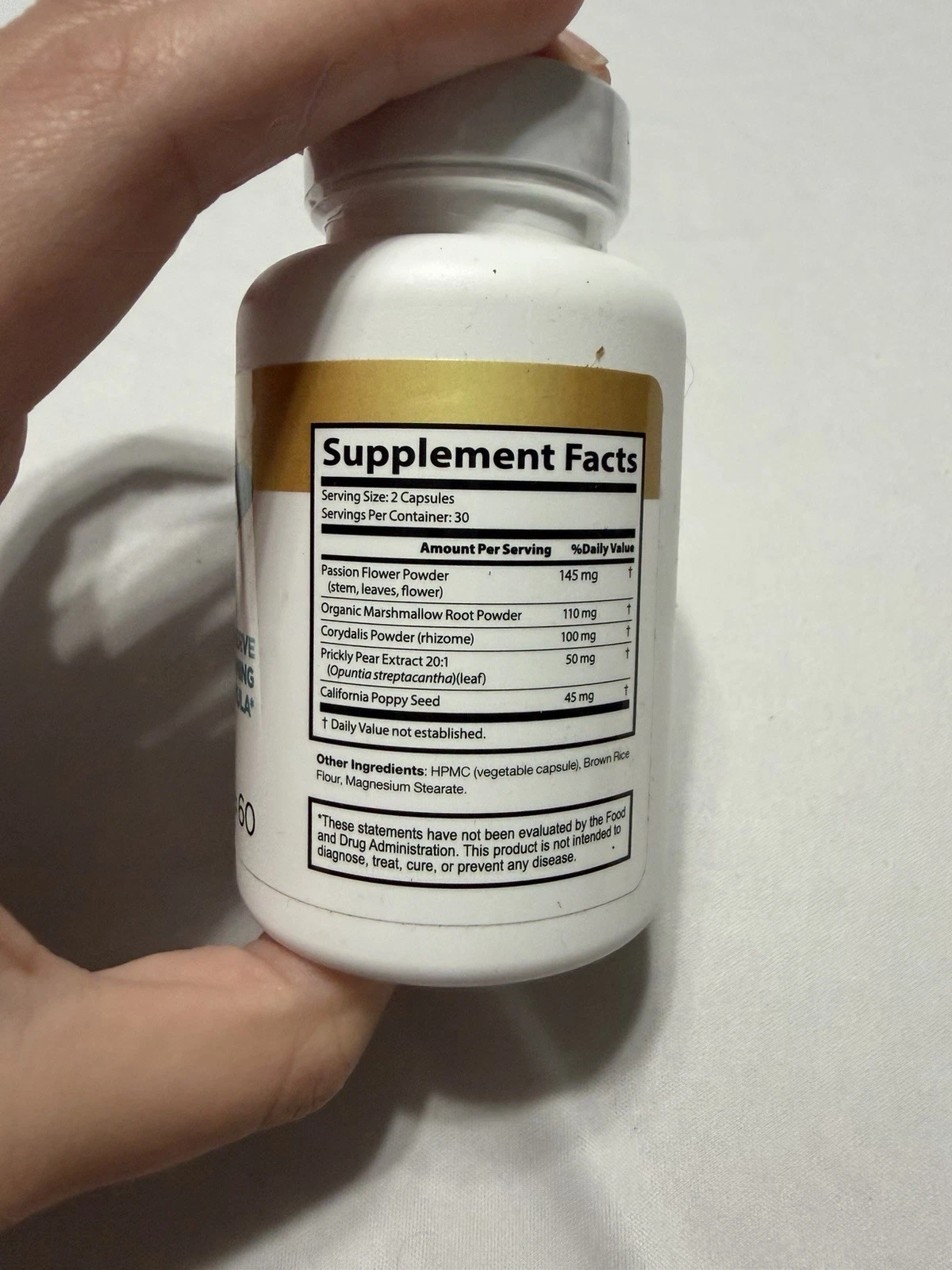
🍃 Passion Flower Powder — 145 mg
Passion flower is widely recognized for its traditional use in promoting relaxation and managing nervous tension. The plant contains flavonoids and other compounds investigated for possible effects on neurotransmitter systems involved in calming activity.
Research summarized by the National Institutes of Health suggests that passion flower may help with certain forms of anxiety and sleep difficulties, although findings remain preliminary. Within NerveCalm, I see its strongest potential contribution as supporting relaxation, especially when physical discomfort makes it difficult to unwind.
🍃 Organic Marshmallow Root Powder — 110 mg
Marshmallow root, scientifically known as Althaea officinalis, has a long history of traditional herbal use. Its characteristic mucilage contains polysaccharides that produce a soothing effect when contacting certain tissues, particularly in gastrointestinal and throat-related applications.
Its inclusion adds a traditional botanical component to the formula. Although laboratory research has examined marshmallow’s anti-inflammatory and protective properties, direct evidence demonstrating that oral marshmallow root repairs peripheral nerves remains insufficient. I therefore regard it as a complementary ingredient rather than the primary driver of nerve support.
🍃 Corydalis Powder (Rhizome) — 100 mg
Corydalis is among the most interesting ingredients in this formulation. Various Corydalis species have been used in traditional Chinese herbal practices, particularly in preparations associated with physical discomfort.
Researchers have investigated alkaloids such as tetrahydropalmatine for their effects on pain-related signaling pathways. Preclinical findings are promising enough to justify continued study, but they do not establish that the amount present in NerveCalm treats neuropathy. Corydalis also deserves particular safety consideration because its alkaloids can affect the nervous system, and liver-related adverse effects have been reported with certain preparations.
🍃 Prickly Pear Extract 20:1 — 50 mg
Prickly pear belongs to the Opuntia cactus family and contains naturally occurring polyphenols, pigments, and other antioxidant-associated compounds. Its inclusion fits the manufacturer’s emphasis on supporting cellular wellness.
I find this ingredient relevant because oxidative stress is involved in several biological processes associated with nerve dysfunction. However, prickly pear research varies considerably by species, preparation, and studied outcome. The stated 20:1 extraction ratio describes concentration during processing; it does not independently establish clinical potency or guarantee relief from nerve discomfort.
🍃 California Poppy Seed — 45 mg
California poppy, or Eschscholzia californica, has traditionally been associated with relaxation and nighttime comfort. Investigations into the plant have focused largely on compounds found in herbal preparations and their potential calming properties.
This ingredient complements passion flower’s relaxation-oriented role. However, studies involving California poppy extracts cannot automatically be applied to seed powder, because different plant parts may contain different concentrations of active constituents. Its presence is interesting, but the precise contribution of the listed seed preparation remains uncertain.
Six Potential Benefits of NerveCalm
What makes NerveCalm appealing is the way its ingredients address several related aspects of daily wellness. I see six potential advantages worth considering, while recognizing that actual results will vary.
⭐ 1. Supports Everyday Nerve Comfort
The product’s primary purpose is to support people who experience occasional unpleasant nerve sensations. Corydalis provides the most direct connection to pain-related research, while other botanicals contribute complementary properties.
I consider this particularly relevant for adults seeking additional wellness support. However, persistent burning, numbness, or weakness requires medical evaluation rather than reliance on supplementation alone.
⭐ 2. Encourages a More Relaxed Nervous System
Passion flower gives the formula a recognizable calming component. Its traditional use and preliminary human research offer a reasonable basis for its inclusion.
For individuals whose physical discomfort occurs alongside stress, this relaxation-focused approach may be attractive. The expected benefit is supportive rather than equivalent to a prescription treatment for anxiety.
⭐ 3. Provides Antioxidant-Oriented Botanical Support
Prickly pear contributes naturally occurring plant compounds associated with antioxidant activity. This gives the formula a cellular-wellness dimension beyond its calming ingredients.
Antioxidants help explain the manufacturer’s broader positioning, although measurable improvements in human nerve function cannot be assumed from antioxidant activity alone.
⭐ 4. May Complement a Better Nighttime Routine
Physical discomfort can make sleep less restful. The inclusion of passion flower and California poppy creates a formulation with potential relevance to relaxation.
I appreciate this dual-purpose concept because sleep quality influences daily energy, mood, and comfort. Anyone who experiences daytime drowsiness, however, should discuss whether the supplement’s timing or use is appropriate.
⭐ 5. Offers a Plant-Based Alternative to Vitamin-Centered Formulas
Many nerve-support supplements focus on B vitamins, alpha-lipoic acid, or other nutrients. NerveCalm instead emphasizes traditional botanical ingredients.
This distinction gives consumers another formulation category to consider. It does not mean botanical ingredients are inherently more effective, but it may suit people seeking a different type of complementary support.
⭐ 6. Simplifies Daily Supplementation
The two-capsule daily routine is relatively straightforward. It avoids powders, complicated preparation methods, and multi-step applications.
Consistency is easier when a product fits naturally into an existing routine. This convenience is one of NerveCalm’s clearest practical strengths, regardless of the uncertainty surrounding individual outcomes.
What Scientific Research Says About the Formula
My scientific assessment of NerveCalm separates three questions: whether its ingredients contain biologically active compounds, whether those compounds have produced meaningful findings in research, and whether the finished supplement has demonstrated clinical effectiveness.
Passion flower has been evaluated in small human studies involving anxiety and sleep-related outcomes. Corydalis has attracted research attention because of its alkaloids and potential influence on pain signaling, particularly in experimental models. Prickly pear contributes antioxidant-related compounds, while marshmallow root and California poppy have histories of traditional herbal use.
These findings provide a foundation for further investigation, but evidence strength differs considerably among ingredients and preparations. I did not identify a published randomized clinical trial establishing that the finished NerveCalm formula reduces neuropathic pain, restores sensation, improves memory, or regenerates damaged nerves.
This distinction is especially important because neuropathy can arise from diabetes, vitamin deficiencies, medication effects, injuries, or other medical conditions. A dietary supplement does not address all these causes in the same way. I therefore view the formula as an optional wellness complement whose practical benefits remain individual and whose advertised disease-related claims require stronger finished-product evidence.
NerveCalm Bonuses

NerveCalm vs. Typical Nerve-Support Supplements
When comparing NerveCalm with competing products, I focus on the actual formulation strategy rather than assuming one type of supplement is universally preferable.


| Comparison Factor | NerveCalm | Typical Nerve-Support Competitors |
|---|---|---|
| Formulation | Primarily botanical ingredients with calming and antioxidant-related properties | Frequently emphasize B vitamins, alpha-lipoic acid, or nutritional combinations |
| Primary Focus | General nerve comfort and nervous-system wellness | Nutritional nerve maintenance, antioxidant support, or specific nutrient supplementation |
| Ingredient Approach | Combines several traditional herbs | Often relies on fewer standardized nutrients or nutrient blends |
| Convenience | Two capsules daily | Commonly one to several capsules daily |
| Scientific Evidence | Ingredient-level research; finished-product evidence not established | Evidence varies, with some nutrients studied directly in human neuropathy research |
| Transparency | Named ingredients and supplied quantities; complete current label should be checked | Varies by brand, with some publishing detailed testing information |
| Value | Multi-bottle discounts may reduce the advertised per-bottle cost | Prices and serving costs vary considerably |
| Purchase Protection | Advertised money-back guarantee | Depends on retailer and manufacturer |
I like that NerveCalm occupies a distinct position rather than simply duplicating a conventional vitamin formula. Its strongest appeal lies in combining botanical comfort support with a convenient routine and direct-purchase protection.
My NerveCalm Rating and Editorial Breakdown
After considering its composition, practical usability, positioning, and available scientific information, my overall editorial rating for NerveCalm is:
Overall Rating: 4.4/5 — ★★★★☆
| Assessment Category | Score | My Evaluation |
|---|---|---|
| Botanical Formulation | 4.6/5 — ★★★★★ | Thoughtfully combines herbs with distinct traditional uses and biological properties |
| Everyday Convenience | 4.7/5 — ★★★★★ | Straightforward capsule routine with minimal preparation |
| Potential Wellness Applications | 4.4/5 — ★★★★☆ | Addresses relaxation, antioxidant support, and general comfort through complementary approaches |
| Scientific Substantiation | 3.6/5 — ★★★★☆ | Relevant ingredient research exists, but finished-product clinical evidence is limited |
| Purchase Protection | 4.6/5 — ★★★★★ | Advertised refund coverage offers useful reassurance when its terms are confirmed |
| Overall Editorial Rating | 4.4/5 — ★★★★☆ | Favorable assessment of formulation concept, convenience, and buyer suitability |
I consider 4.4/5 a positive editorial score for its positioning as a botanical wellness supplement. It is not a customer-review average, a clinical effectiveness percentage, or evidence that the product works for everyone.
How to Take NerveCalm Correctly
The supplied instructions recommend taking two NerveCalm capsules daily with a meal and a glass of water. Morning use may make the routine easier to remember, particularly for people who already take other daily supplements.
However, a reviewed manufacturer support page describes taking one capsule twice daily before meals. Because published directions differ, the instructions printed on the bottle actually purchased should take priority, following clarification from the manufacturer or a healthcare professional where necessary.
I would avoid increasing the dose independently, combining it with multiple calming supplements, or assuming a larger quantity produces stronger benefits. Anyone using prescription medication should discuss the formulation with their pharmacist or clinician before starting.
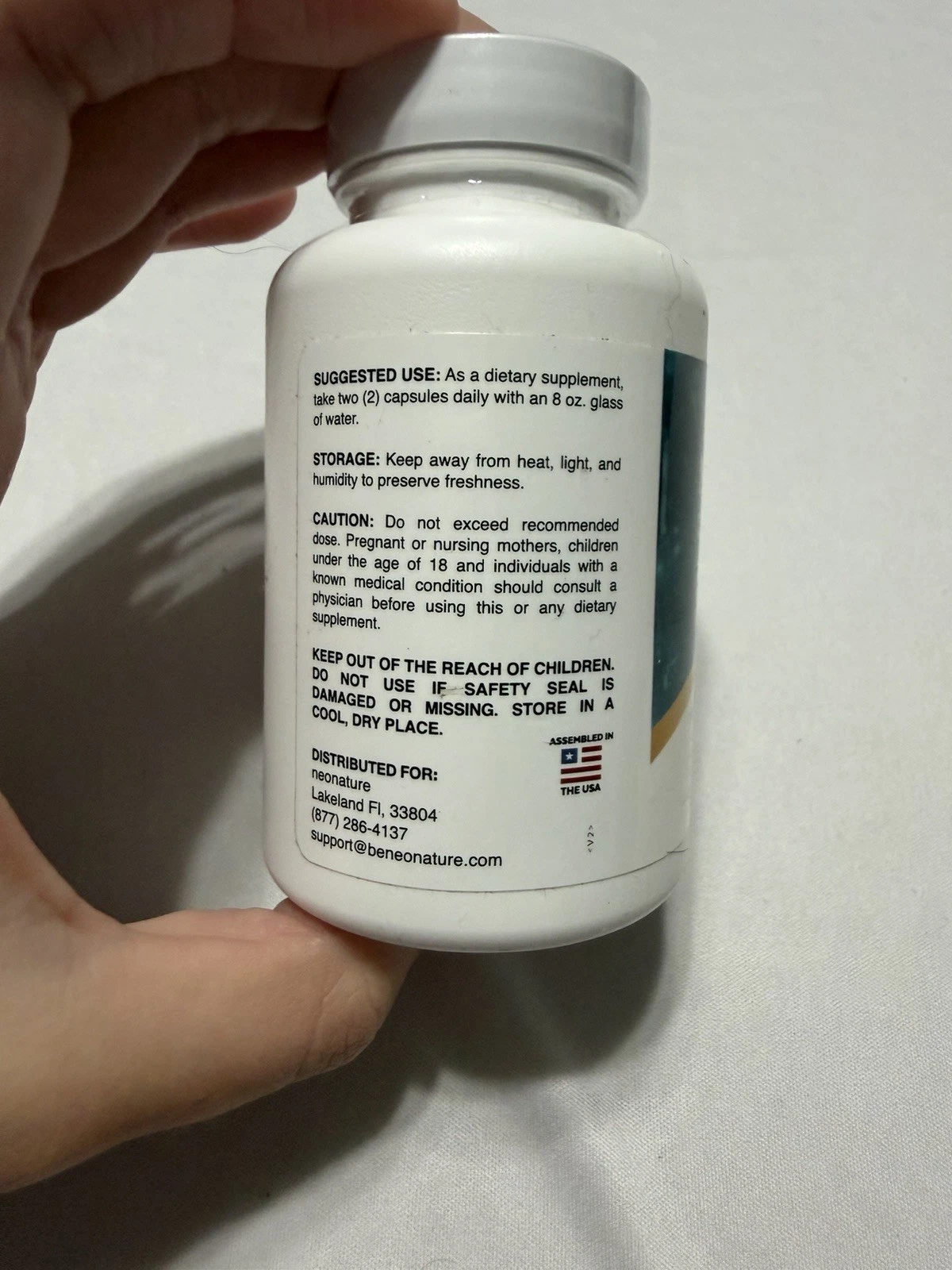
NerveCalm Pros and Cons
The following table captures the advantages I find most relevant and the limitations that deserve attention before making a purchasing decision.
| Pros | Cons |
|---|---|
| Distinctive herbal formula: Combines several botanicals with complementary traditional uses. | Limited finished-product evidence: Clinical benefits of the complete formula have not been established. |
| Broad wellness positioning: Includes ingredients relevant to relaxation and antioxidant support. | Potential sedation: Calming botanicals may cause drowsiness or affect alertness. |
| Convenient capsules: Simple daily supplementation without mixing or preparation. | Not suitable for everyone: Certain health conditions and medications require additional precautions. |
| Named ingredient quantities: The supplied ingredient information helps buyers examine the formulation. | Marketing claims need scrutiny: Nerve regeneration and plaque-removal claims exceed demonstrated evidence. |
| Direct-purchase protection: An advertised money-back policy offers an additional purchasing consideration. | Variable sales information: Dosage directions, pricing, and guarantee periods differ across reviewed pages. |
| Multi-bottle options: Advertised bundles can reduce per-bottle cost. | Ongoing expense: Maintaining a daily supplement routine involves recurring purchases. |
Overall, I see a useful balance of attractive product characteristics and manageable purchasing considerations, provided expectations remain realistic.
Possible NerveCalm Side Effects
Although botanical supplements are often perceived as gentle, their active compounds can produce unwanted effects. Passion flower may cause dizziness, drowsiness, or confusion, while California poppy preparations may contribute additional calming effects.
Corydalis warrants particular caution. Its alkaloids can affect neurological signaling, and published research discusses possible liver toxicity associated with certain preparations and exposures. This does not establish that the specified NerveCalm serving causes liver injury, but it is a meaningful reason to avoid unnecessary dose increases.
Digestive upset, individual sensitivity, and allergic reactions are also possible with herbal products. I recommend discontinuing use and seeking medical advice if concerning symptoms develop, particularly severe dizziness, rash, breathing difficulty, or signs of liver problems.
Is NerveCalm Safe for Daily Use?
I would describe NerveCalm as a supplement requiring ordinary herbal-product precautions, rather than something that can be guaranteed safe for every adult.
Natural ingredients are not automatically risk-free. Individual responses depend on medical history, medication use, sensitivity, and the actual product composition. Long-term safety data for the complete formula are not established.
NerveCalm is not FDA-approved to treat neuropathy. Dietary supplements are regulated differently from medications, and manufacturers are responsible for meeting applicable safety and labeling requirements.
For generally healthy adults, a clinician or pharmacist can help assess whether the ingredients are appropriate. People with liver disease, pregnancy-related considerations, or complex medication regimens should exercise particular caution.
Medication Interactions and Important Precautions
The ingredients in NerveCalm deserve additional attention when combined with medications affecting alertness or the central nervous system.
Passion flower may enhance sedative effects when combined with sleeping medications, certain anxiety treatments, anesthetics, or other substances that cause drowsiness. Corydalis also contains neurologically active alkaloids, making interactions an important consideration even when direct interaction studies are limited.
People using antidepressants, pain medications, blood-pressure treatments, or multiple prescriptions should request an individualized medication review. Marshmallow root’s mucilage also raises a theoretical concern about the absorption timing of some oral medicines.
I would not recommend combining this supplement with alcohol or sedating herbs without professional advice. Anyone preparing for surgery should inform the surgical team about all supplements being used.
Who Should Consider NerveCalm and Who Should Avoid It?
My assessment of suitability depends less on age alone and more on the reason for taking the supplement, existing medical conditions, and medication exposure.
Potentially suitable buyers:
- Adults interested in botanical nerve wellness: Those seeking a complementary herbal option may appreciate the formula’s combination of traditional ingredients.
- People prioritizing relaxation: The calming emphasis may appeal to individuals whose daily stress accompanies occasional physical discomfort.
- Consumers preferring uncomplicated routines: Two daily capsules offer a manageable format for consistent supplementation.
People who should avoid it or seek medical guidance:
- Pregnant or breastfeeding individuals: Insufficient safety information and specific passion flower concerns make professional guidance essential.
- People with liver conditions: Corydalis-related safety findings warrant additional caution.
- Individuals taking sedatives or multiple medications: Possible interactions require a pharmacist’s or clinician’s assessment.
- Anyone with unexplained or worsening neurological symptoms: Persistent numbness, weakness, burning, or balance problems should be medically evaluated rather than self-treated.
What I Didn’t Like About NerveCalm
Despite my favorable overall assessment, several aspects of NerveCalm deserve improvement. These concerns do not eliminate the formula’s appeal, but they affect how confidently I can interpret its marketing.
- Overly ambitious nerve-repair language: Claims involving plaque removal and nerve regeneration imply biological outcomes that require direct clinical confirmation.
- Inconsistent published purchasing information: Different reviewed sales and support pages describe varying refund periods and usage instructions, making offer-specific verification important.
- Limited independent product testing: I could not confirm a published finished-product trial establishing the advertised range of neurological benefits.
- Unclear relationship between all promotional formula descriptions: Some materials refer to broader botanical combinations than the five ingredients supplied here. Buyers should confirm the exact Supplement Facts panel before ordering.
I would particularly welcome greater consistency across the manufacturer’s sales information and publicly accessible finished-product research.
Is NerveCalm a Scam or Legit?
Based on my investigation, NerveCalm appears to be a commercially marketed dietary supplement with an identifiable sales presence, published purchasing options, and customer-support information. Those characteristics support the existence of a functioning product offer, although they do not independently establish manufacturing quality, clinical effectiveness, or the credentials of individuals mentioned in promotional materials.
I would not label NerveCalm a scam without credible evidence of fraudulent activity. Equally, I would not treat its stronger medical claims as verified simply because the ingredients are botanical. My conclusion is that it represents a legitimate-looking herbal supplement offer whose real value should be assessed through its actual label, checkout conditions, appropriate safety screening, and realistic expectations.
Three Amazon Alternatives Worth Knowing About
I also examined several recognizable alternatives marketed on Amazon. These products serve somewhat different needs and are not direct substitutes for the botanical combination in NerveCalm.

Nutricost Alpha Lipoic Acid 600 mg: This product emphasizes alpha-lipoic acid, an antioxidant involved in cellular metabolism. It appeals to consumers who prefer a more focused, single-nutrient supplement rather than a diverse herbal blend. Its formulation differs substantially from NerveCalm’s relaxation-oriented botanical approach.
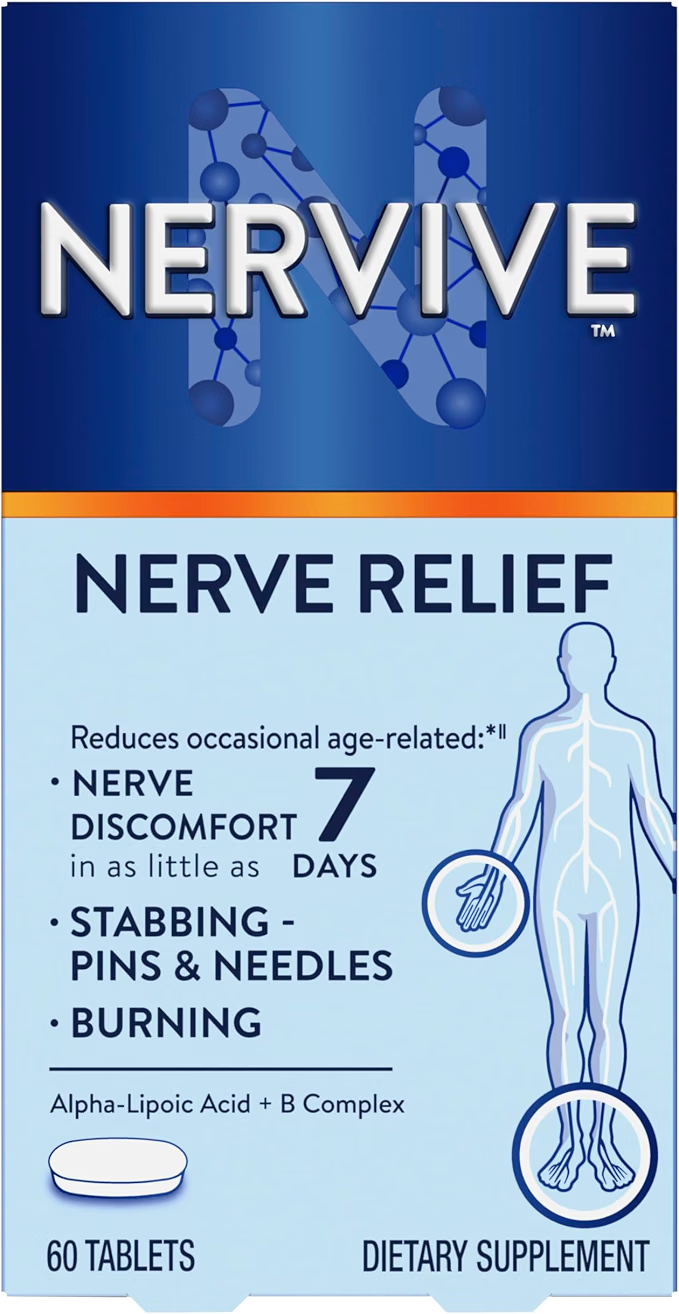
Nervive Nerve Health: Nervive’s nerve-health range includes products built around alpha-lipoic acid and selected vitamins, depending on the specific version. It may interest buyers seeking a conventional nutrient-centered formulation. I would carefully check the exact listing because the brand offers different products with different intended uses.
Life Extension Super R-Lipoic Acid: This supplement provides a specific form of lipoic acid and emphasizes antioxidant and cellular-energy support. Its more concentrated ingredient strategy contrasts with NerveCalm’s multiple-herb design. Buyers should compare serving instructions and suitability rather than assuming that different antioxidant formulations are interchangeable.
Amazon listings, availability, and seller details can change, so I recommend checking the current product label before making comparisons.

NerveCalm 90-Day Money-Back Guarantee
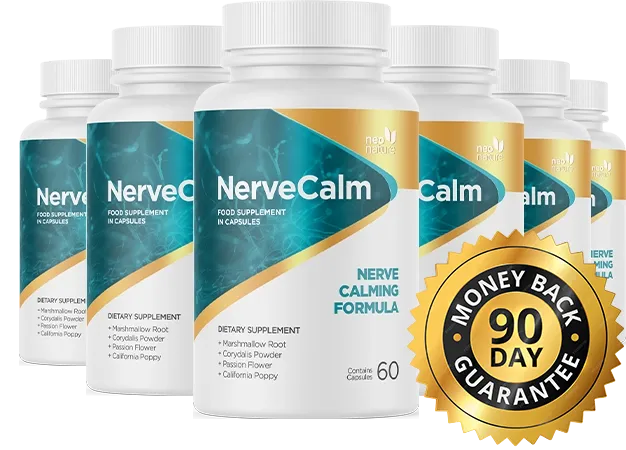
One appealing purchasing feature of NerveCalm is the supplied 90-day money-back guarantee. A period of this length gives buyers time to evaluate whether the supplement suits their preferences without having to make a judgment after only a few days.
The reviewed direct-response offer advertises refund protection, although other pages on the same product domain describe a 180-day policy. For that reason, I recommend treating the guarantee displayed at the actual checkout as the applicable offer rather than assuming every promotion carries identical terms.
Before purchasing, verify the refund deadline, return instructions, whether opened bottles qualify, and whether shipping expenses are refundable. The guarantee should be considered a purchase-protection feature rather than a promise of specific health results, and eligibility for purchases made through third-party sellers should not be assumed.
Frequently Asked Questions About NerveCalm
Q: What is NerveCalm primarily designed to do?
A: NerveCalm is marketed to support nervous-system wellness and everyday nerve comfort using a combination of botanicals. Its ingredients also have traditional associations with relaxation and antioxidant activity. It should not be considered a treatment for diagnosed peripheral neuropathy or another neurological disorder.
Q: How many NerveCalm capsules should I take daily?
A: The supplied instructions recommend two capsules per day. However, reviewed manufacturer materials differ regarding whether they should be taken together or separately and whether meals are recommended. I advise following the purchased bottle’s directions and consulting a healthcare professional if the instructions are unclear.
Q: How quickly can NerveCalm produce noticeable results?
A: There is no clinically established response timeline for the complete formula. Individual experiences may vary according to health status, the reason for using it, and ingredient tolerance. I would avoid treating advertised timelines as guaranteed outcomes.
Q: Can NerveCalm help with nighttime discomfort?
A: Its calming botanical components may be relevant to relaxation, particularly passion flower. However, a possible relaxation benefit should not be confused with demonstrated treatment of nighttime neuropathic pain. Persistent symptoms deserve medical assessment.
Q: Does NerveCalm repair damaged nerves?
A: The manufacturer promotes nerve-repair benefits, but I could not verify clinical research demonstrating nerve regeneration from the finished supplement. Nerve recovery depends heavily on the underlying cause, making appropriate diagnosis and treatment particularly important.
Q: Is NerveCalm appropriate for people with diabetes?
A: People with diabetes should consult their treating clinician before adding this supplement. Diabetic neuropathy requires attention to blood-glucose management, foot health, and appropriate medical treatment. Herbal supplementation should not replace these established approaches.
Q: Can I combine NerveCalm with other supplements?
A: Combining supplements requires consideration of overlapping ingredients and potential sedative effects. Products containing additional calming herbs may increase drowsiness. I recommend having a pharmacist review the complete combination, especially when medications are also involved.
Q: Where should I buy NerveCalm to receive the advertised guarantee?
A: The direct sales channel is the appropriate place to verify the promotion associated with the purchase. I would review the checkout total, refund conditions, customer-support details, and exact product labeling before ordering. Guarantees advertised on one sales page should not automatically be assumed to apply to another retailer.
My Final Verdict on NerveCalm
After reviewing the ingredients, formulation strategy, published marketing information, and relevant scientific research, I consider NerveCalm an appealing botanical supplement for adults interested in complementary nervous-system wellness. Its combination of corydalis, passion flower, prickly pear, marshmallow root, and California poppy distinguishes it from conventional vitamin-centered nerve formulas. The convenient capsule format and advertised refund protection add to its practical appeal.
My overall editorial rating remains 4.4/5, reflecting a favorable assessment of the formula’s concept, everyday convenience, and purchasing features. The main limitations are its unverified nerve-regeneration claims, lack of established finished-product clinical outcomes, and the need to confirm current instructions and guarantee conditions. I believe consumers will make better decisions by viewing it as an optional wellness supplement rather than expecting it to reverse established nerve damage.
For adults who prefer plant-derived ingredients and want to explore an additional approach to daily nerve comfort, this formula is worth considering after appropriate safety guidance. If its ingredients match your needs and the purchase terms are acceptable, you can review the current package options and product details for NerveCalm before deciding whether it belongs in your wellness routine.
Disclaimer
This article provides general educational information and does not constitute medical advice, diagnosis, or treatment. Dietary supplements are not substitutes for professional care, and individual outcomes vary. Consult a qualified healthcare professional before using supplements, especially if you have a medical condition or take medications.
Affiliate Disclosure: This article contains affiliate links. I may earn a commission from qualifying purchases at no additional cost to you. Editorial assessments are not guarantees of effectiveness.
References
- National Center for Complementary and Integrative Health (NIH). Passionflower: Usefulness and Safety. Explains available human research involving passion flower, possible relaxation and sleep-related benefits, adverse effects, and precautions involving pregnancy, sedation, and medications.https://www.nccih.nih.gov/health/passionflower
- U.S. National Library of Medicine / PubMed Central. Large Variability in the Alkaloid Content of Corydalis yanhusuo Dietary Supplements. Examines variability in corydalis alkaloids and discusses their pharmacological relevance, quality considerations, and potential toxicological concerns.https://pmc.ncbi.nlm.nih.gov/articles/PMC11774941/
- Guo et al. (2025). A New Discovery: Corydalis yanhusuo Causes Idiosyncratic Hepatotoxicity and Its Potential Mechanisms. Investigates potential liver-injury mechanisms associated with corydalis, providing useful context for assessing botanical safety and responsible supplementation.https://pubmed.ncbi.nlm.nih.gov/40277353/
- National Institute of Diabetes and Digestive and Kidney Diseases (NIH). Peripheral Neuropathy. Explains common symptoms, causes, diagnostic considerations, and established management approaches for diabetic peripheral neuropathy, helping distinguish general wellness supplementation from medical treatment.https://www.niddk.nih.gov/health-information/diabetes/overview/preventing-problems/nerve-damage-diabetic-neuropathies/peripheral-neuropathy
- U.S. Food and Drug Administration. Questions and Answers on Dietary Supplements. Details how dietary supplements are regulated, manufacturer responsibilities, labeling requirements, and important differences between supplement marketing and FDA-approved medical treatments.https://www.fda.gov/food/information-consumers-using-dietary-supplements/questions-and-answers-dietary-supplements