

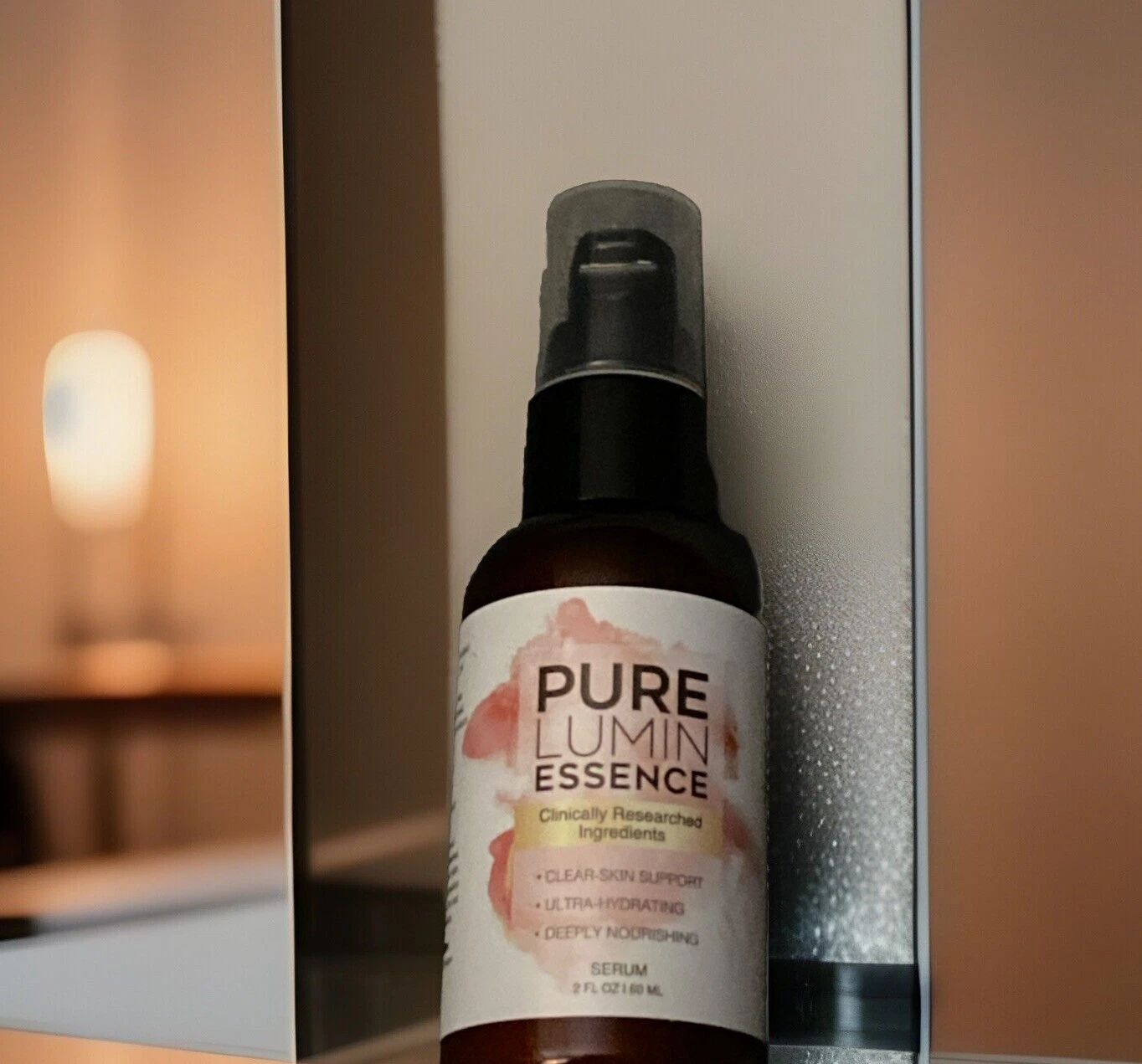
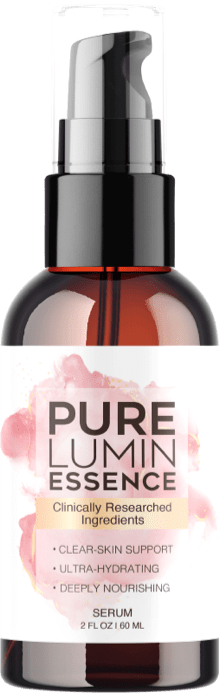
Dark spots can be among the most frustrating skincare concerns because even after blemishes disappear or sun exposure decreases, unwanted discoloration may remain visible for months. Whether those patches develop on the cheeks, forehead, chest, or hands, achieving a more even-looking complexion often requires a combination of targeted ingredients, consistent skincare, and daily sun protection. That is precisely the concern PureLumin Essence aims to address with its botanical extracts and exfoliating acids.
What caught my attention about this formula was its approach to uneven pigmentation. Rather than relying exclusively on exfoliation, it combines ingredients associated with melanin regulation, surface renewal, and skin conditioning. This combination makes it particularly interesting for people seeking a dedicated dark-spot serum that can fit into an existing skincare routine.
This is my detailed, research-based review of what I discovered about PureLumin Essence, including its potential results, ingredients, possible side effects, application instructions, advantages, drawbacks, and whether it appears to be a scam or a legitimate skincare option. I also examined the scientific background of its highlighted ingredients and the practical considerations consumers should understand before purchasing.
PureLumin Essence Product Overview
Before examining the formulation, I believe it helps to understand exactly what the product offers and what distinguishes it from conventional brightening skincare products.
| Product Details | Description |
|---|---|
| Product Name | PureLumin Essence |
| Category | Dark-spot correction and cosmetic brightening serum |
| Primary Purpose | Supports a more even-looking complexion by addressing visible discoloration and uneven skin tone |
| Product Format | Topical liquid serum applied directly to the skin |
| Highlighted Ingredients | Kojic Acid, Mandelic Acid, Glycolic Acid, Licorice Root Extract, Bearberry Extract, and Sunflower Lecithin |
| Target Areas | Face, chest, hands, and other areas with visible dark spots |
| Suggested Application | Massage a few drops into the desired areas until absorbed, following the product label |
| Potential Benefits | Improved appearance of discoloration, smoother skin texture, enhanced radiance, and more uniform-looking skin tone |
| Pricing | Check the official product website for current pricing, package options, and promotions |
| Money-Back Guarantee | Advertised 60-day money-back guarantee; applicable return conditions should be confirmed before purchase |
| Overall Editorial Rating | 4.5/5 — ★★★★☆ |
| Official Website | ✅ Click Here |
What Is PureLumin Essence?
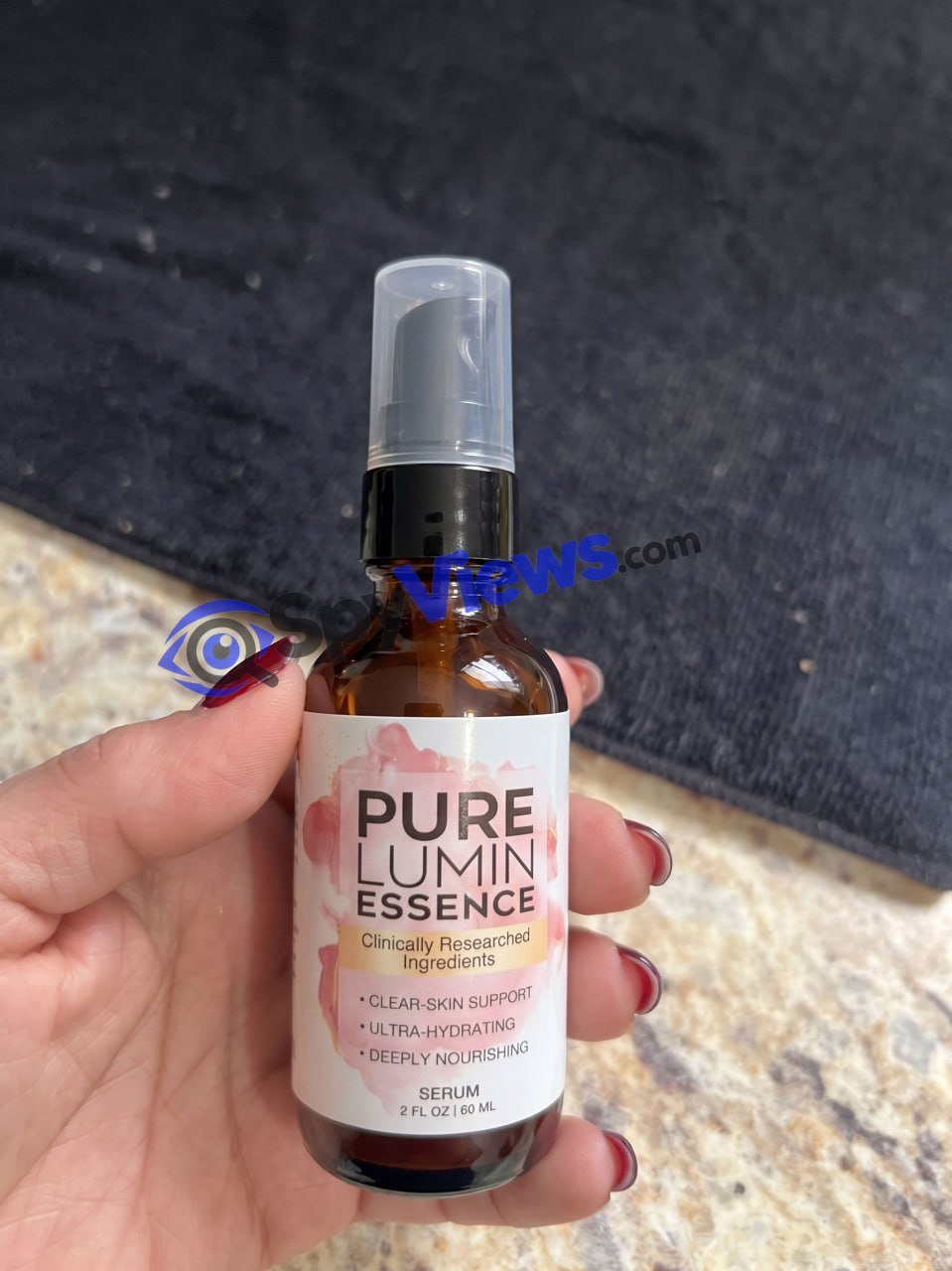
PureLumin Essence is a topical skincare serum marketed to improve the appearance of dark spots, uneven pigmentation, and dull-looking skin. Its positioning centers on helping women achieve a clearer, more radiant complexion without depending exclusively on aggressive cosmetic treatments.
The product combines plant-derived extracts with recognizable skincare acids commonly found in brightening and resurfacing formulations. Its highlighted ingredients suggest an approach that addresses two complementary aspects of discoloration: excessive pigment production and the gradual shedding of pigmented surface cells.
The manufacturer’s promotional explanation describes melanin as accumulating beneath the skin and claims the formula helps prevent unwanted pigment from reaching the surface. I interpret that description as simplified marketing language rather than a complete biological explanation. Melanin is produced naturally by specialized skin cells, and visible hyperpigmentation involves several processes, including pigment production, distribution, inflammation, and skin-cell turnover.
What interests me most is the serum’s emphasis on targeted cosmetic care. It is designed for application beyond the face, making it relevant to people concerned about discoloration on their hands, chest, and other commonly exposed areas.
How PureLumin Essence Works on Uneven Pigmentation
The proposed action of PureLumin Essence becomes easier to understand when its ingredients are considered together. The formula brings together compounds associated with regulating pigment formation and acids that encourage exfoliation.
Kojic acid is recognized for its ability to interfere with tyrosinase, an enzyme involved in melanin production. Licorice-derived compounds and constituents associated with bearberry may provide complementary pigment-modulating activity. These mechanisms are relevant because excessive melanin production contributes to several common forms of discoloration.
Meanwhile, glycolic and mandelic acids help loosen connections between dead surface cells, supporting their removal as skin naturally renews itself. This can gradually improve the appearance of uneven texture and superficial pigmentation.
Sunflower lecithin contributes a different function through its potential role in conditioning the skin and supporting formulation texture.
I consider this combination appealing because pigmentation concerns frequently involve more than one process. However, successful treatment also depends on the cause and depth of discoloration, product formulation, individual skin tolerance, and protection from ultraviolet and visible light.
PureLumin Essence Ingredients and Their Skincare Benefits
The ingredient profile is the strongest aspect of PureLumin Essence from my perspective. Its highlighted ingredients address recognizable cosmetic concerns rather than relying on unfamiliar botanical names alone.
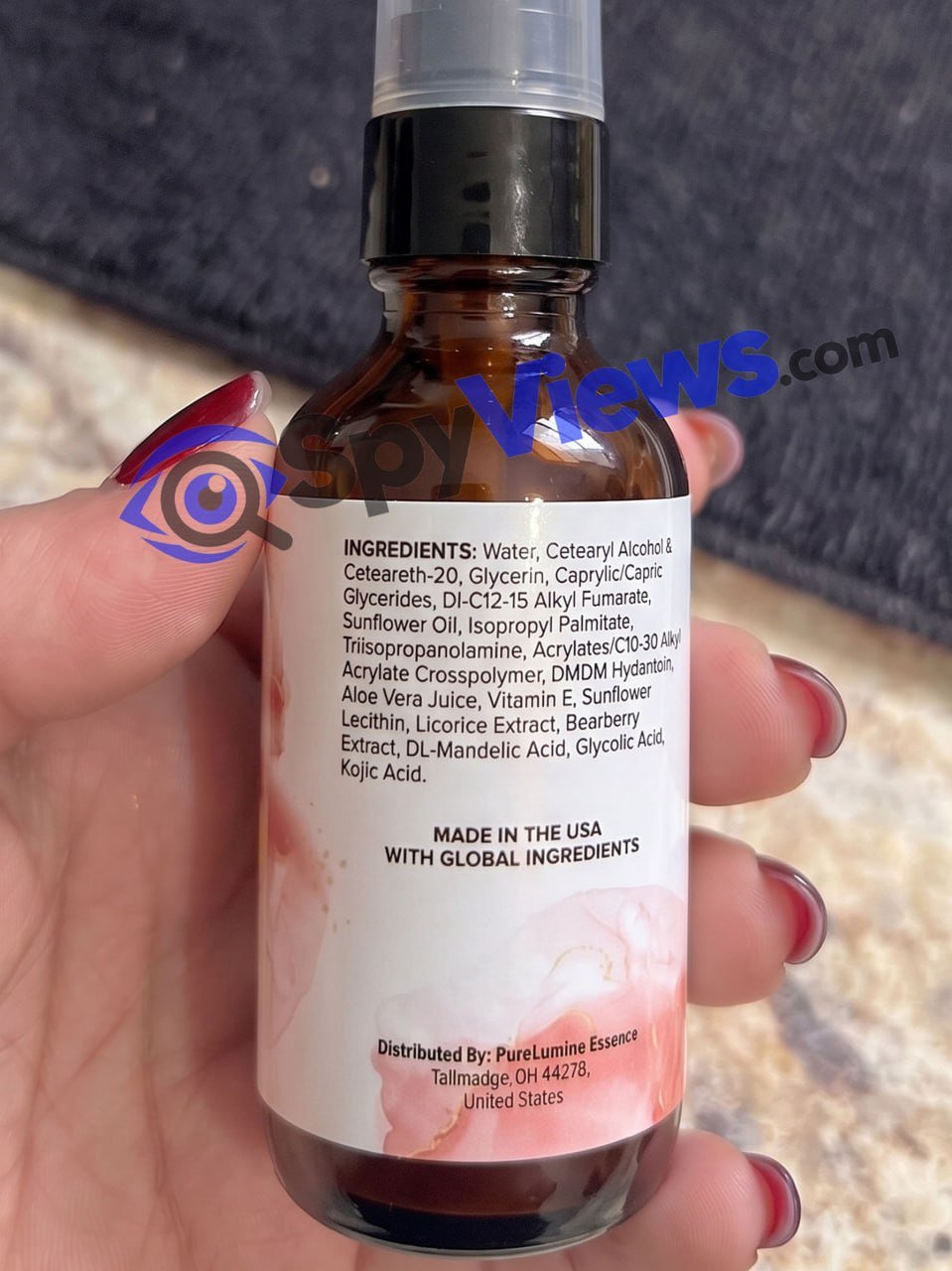
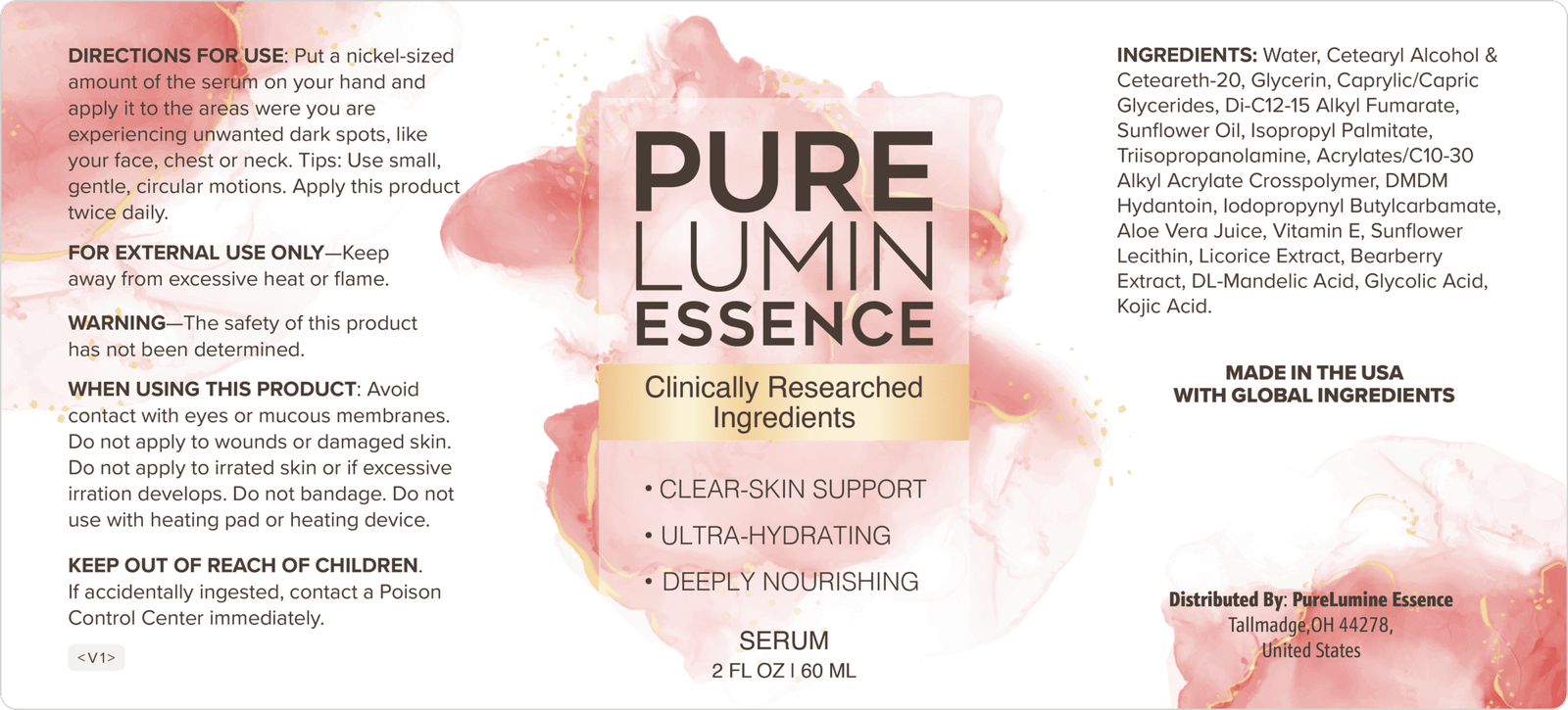
The following analysis focuses on the six supplied ingredients. They should not be interpreted as the complete ingredient declaration, which consumers should check on the product packaging.
🍃 Kojic Acid
Kojic acid is a well-known skincare ingredient used in formulations targeting hyperpigmentation. Its primary function involves inhibiting tyrosinase activity, which helps regulate melanin synthesis. This makes it relevant to concerns such as sun-induced discoloration and post-inflammatory dark marks.
I view kojic acid as an important component because it directly relates to the product’s central purpose. Research supports its pigment-modulating properties, although irritation or contact sensitivity can occur, particularly with unsuitable concentrations or frequent application.
🍃 Mandelic Acid
Mandelic acid belongs to the alpha-hydroxy acid family and is commonly used for cosmetic exfoliation. Its relatively large molecular structure can influence how it penetrates the skin, and it is often incorporated into products intended to improve tone, texture, and blemish-related discoloration.
Its inclusion adds a resurfacing dimension to the formula. By encouraging the removal of accumulated surface cells, mandelic acid may help skin look smoother and more uniform over time. Nevertheless, its suitability depends on formulation strength, acidity, and individual sensitivity.
🍃 Glycolic Acid
Glycolic acid is among the most established exfoliating acids used in cosmetic skincare. It promotes surface-cell shedding and is frequently included in products targeting rough texture, dullness, and uneven pigmentation.
In this formulation, glycolic acid potentially complements kojic acid by addressing visible discoloration through exfoliation. This creates a useful pairing of pigment-focused and surface-renewal ingredients. The important precaution is that glycolic acid can increase sun sensitivity, making appropriate sunscreen use essential.
🍃 Licorice Root Extract
Licorice root contains naturally occurring compounds, including glabridin, that have attracted scientific interest for their effects on pigmentation and inflammation. Laboratory and preclinical research indicates that glabridin can inhibit tyrosinase activity and influence inflammatory processes associated with skin discoloration.
I particularly appreciate its inclusion alongside the exfoliating acids because pigmentation can sometimes worsen following irritation. Licorice extract offers a complementary botanical approach, although its effects depend on the specific extract, concentration, and overall formulation.
🍃 Bearberry Extract
Bearberry extract is commonly associated with arbutin-containing botanical skincare ingredients. Arbutin is studied for its ability to influence tyrosinase activity and is used in some products intended to improve the appearance of uneven pigmentation.
The extract contributes another pigment-focused element to the formula. However, bearberry preparations differ in their chemical composition, so the effectiveness and tolerability of a finished product cannot be determined from the ingredient name alone.
🍃 Sunflower Lecithin
Sunflower lecithin is a phospholipid-rich ingredient used in skincare formulations for its conditioning and emulsifying properties. Unlike the exfoliating acids or pigment-regulating compounds, its main contribution is associated with formulation performance and skin feel.
I see sunflower lecithin as a practical supporting ingredient. It may help create a more uniform product and contribute to a comfortable application experience. Its presence does not establish that the serum repairs the skin barrier, but it complements the formula’s more active components.
Six Potential Benefits of PureLumin Essence
The potential benefits of PureLumin Essence extend beyond the appearance of individual dark spots. Its ingredient combination suggests several useful applications within a carefully managed skincare routine.
I would evaluate its benefits through six specific areas rather than judging it solely by whether pigmentation disappears completely.
⭐ 1. Supports the Gradual Fading of Visible Dark Spots
The most important potential benefit is reducing the visible contrast between darkened areas and surrounding skin. Kojic acid, licorice extract, and bearberry-associated compounds are relevant to this objective because of their pigment-regulating properties.
This approach may be especially appealing for superficial uneven pigmentation. Results are unlikely to be immediate, and deeper or recurring discoloration may require dermatologist-guided treatment.
⭐ 2. Encourages a More Even-Looking Complexion
Uneven skin tone is not always limited to isolated spots. Some people experience scattered discoloration that makes the overall complexion appear patchy or inconsistent.
By combining exfoliating and pigment-focused ingredients, the serum may support gradual improvements in tonal uniformity. I consider this broader cosmetic purpose one of its more attractive features, particularly for people looking to improve overall skin appearance.
⭐ 3. Promotes Smoother Skin Texture
Mandelic and glycolic acids help remove accumulated surface cells that can contribute to roughness and a dull appearance. Their exfoliating properties may improve the smoothness of the skin’s surface when the formulation is appropriately used.
This creates a benefit beyond pigmentation alone. Smoother skin can reflect light more evenly, contributing to a refreshed appearance, although excessive exfoliation can undermine that benefit through irritation.
⭐ 4. Enhances the Appearance of Skin Radiance
A radiant complexion depends partly on surface texture, hydration, and the uniformity of skin tone. Removing dull surface buildup may improve how light reflects from the skin.
I find this relevant because many consumers want an overall improvement in complexion rather than treatment of just one spot. The combination of exfoliating acids and botanical extracts gives the formula a reasonable cosmetic basis for supporting brighter-looking skin.
⭐ 5. Offers Targeted Care for Multiple Body Areas
The serum is intended for application to the face, hands, chest, and other areas affected by visible discoloration. That flexibility can be convenient for people who experience uneven pigmentation in several locations.
I consider the multi-area application instructions useful, although facial and body skin can respond differently to active ingredients. Sensitive areas still require additional care, and the serum should not be applied to broken skin or delicate mucosal surfaces.
⭐ 6. Combines Botanical Ingredients With Established Exfoliants
One distinguishing feature is the combination of recognizable skincare acids with plant-derived extracts. This provides a broader formulation concept than products built around exfoliation alone.
For buyers interested in botanical skincare without abandoning familiar cosmetic actives, this combination may be appealing. Its practical success still depends on the finished formula, appropriate use, and consistency rather than ingredient variety by itself.
PureLumin Essence Compared With Typical Dark-Spot Serums
When comparing PureLumin Essence with other cosmetic pigmentation products, I focus on formulation strategy, application practicality, and buyer protection rather than promotional promises.

| Comparison Factor | PureLumin Essence | Typical Dark-Spot Serums |
|---|---|---|
| Primary Focus | Targets visible discoloration and uneven-looking tone | May target pigmentation, hydration, blemishes, or general brightening |
| Ingredient Strategy | Combines highlighted exfoliating acids and botanical pigment-focused extracts | Often emphasizes one primary active or a smaller combination |
| Exfoliation | Includes glycolic and mandelic acids | Varies; some formulations contain no exfoliating acids |
| Botanical Components | Includes licorice and bearberry extracts | Botanical ingredients vary considerably |
| Application Areas | Marketed for face, chest, hands, and other discolored areas | Some products are intended primarily for facial application |
| Formula Transparency | Highlighted ingredients are identifiable; full labeling should be checked | Some brands publish complete concentrations and extensive testing information |
| Scientific Evidence | Relevant research exists for individual ingredients | Finished-product testing varies across manufacturers |
| Convenience | A few drops can be massaged into targeted areas | Serums, creams, gels, and spot treatments offer different application experiences |
| Purchase Protection | Advertised 60-day money-back guarantee | Refund policies depend on the seller and retailer |
| Value Considerations | Depends on current offers, bottle size, and product experience | Depends on formulation, quantity, availability, and individual suitability |
My assessment is that the formulation’s appeal comes from combining several complementary ingredient categories in one topical product. That convenience may suit consumers who prefer a dedicated pigmentation-focused serum instead of assembling multiple separate treatments.
My PureLumin Essence Rating: 4.5/5
After reviewing the supplied formulation, product positioning, application instructions, and relevant ingredient research, I give PureLumin Essence a favorable editorial assessment.
Overall Editorial Rating: 4.5/5 — ★★★★☆
| Evaluation Category | My Rating | Assessment |
|---|---|---|
| Ingredient Selection | 4.7/5 ★★★★★ | Thoughtful combination of recognized cosmetic acids and botanical pigmentation-focused ingredients |
| Potential Brightening Benefits | 4.6/5 ★★★★★ | Several highlighted compounds have mechanisms relevant to uneven pigmentation |
| Application Convenience | 4.6/5 ★★★★★ | Drop-based topical application offers flexibility for targeted skincare |
| Skincare Versatility | 4.5/5 ★★★★☆ | Designed for multiple body areas, although individual skin tolerance varies |
| Scientific Foundation | 4.2/5 ★★★★☆ | Ingredient-level research is encouraging, while finished-formula effectiveness remains a separate consideration |
| Consumer Protection | 4.4/5 ★★★★☆ | The advertised 60-day refund period is appealing, subject to its actual conditions |
My 4.5/5 score reflects the formulation’s promising ingredient selection, practical application, and targeted cosmetic purpose. It is an independent editorial rating, not a verified customer satisfaction score or a measurement of clinical effectiveness.
How to Apply PureLumin Essence Correctly
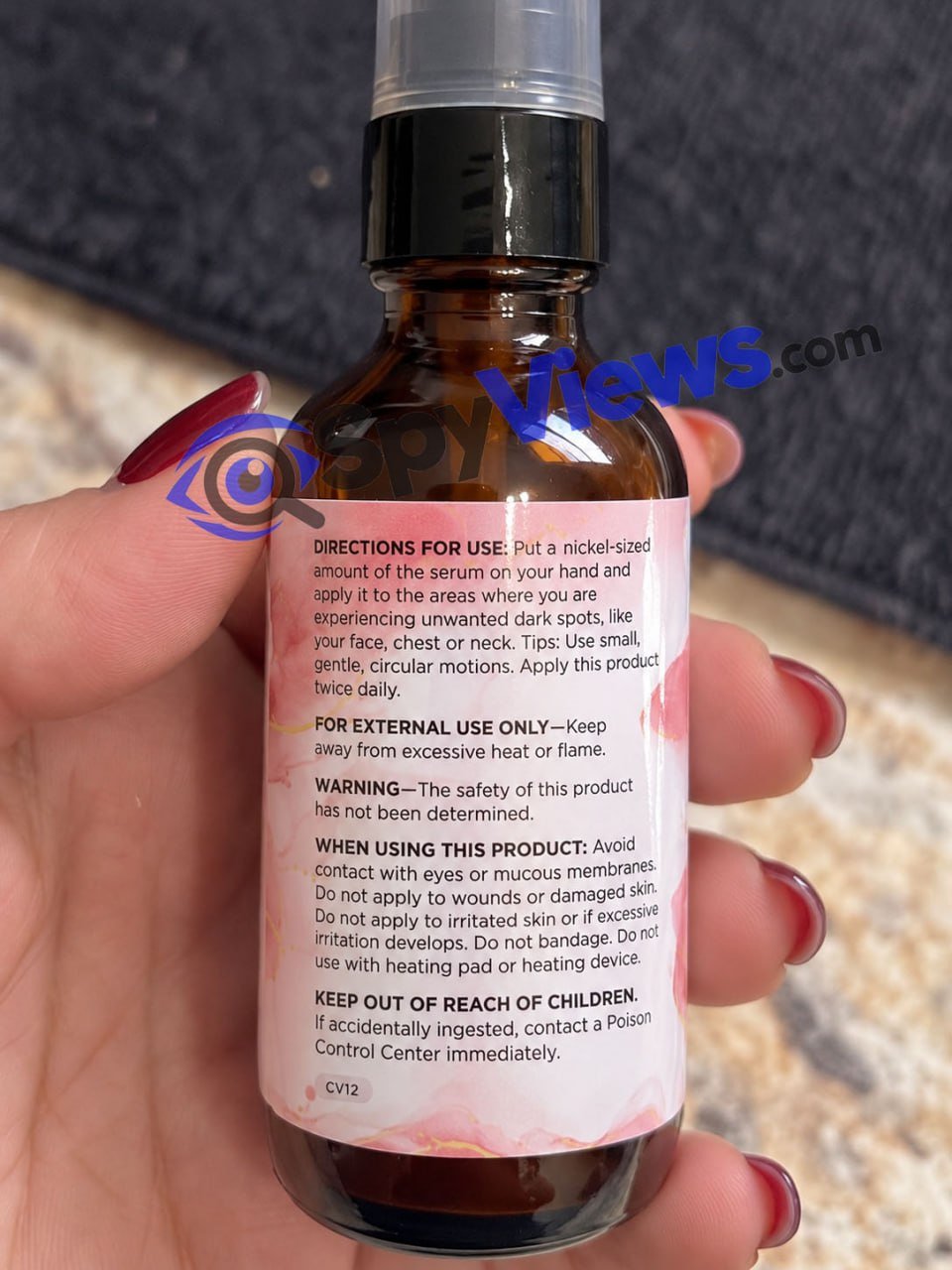
The supplied instructions for PureLumin Essence are straightforward: apply a few drops to areas where dark spots are visible, including the face, chest, and hands, then gently massage until fully absorbed.
I recommend beginning with clean, dry skin and following the bottle’s specific directions for application frequency. Before broader use, a small-area patch test is sensible, especially for anyone who has previously reacted to exfoliating acids or botanical skincare products.
Because the formulation includes alpha-hydroxy acids, daily broad-spectrum SPF 30 or higher sunscreen is particularly important on exposed skin. Avoid layering it immediately with multiple strong exfoliants unless a dermatologist confirms that the combination is appropriate.
PureLumin Essence Pros and Cons
An informed purchase decision should account for both the product’s advantages and its practical limitations. My evaluation favors the strengths of PureLumin Essence, while recognizing that active skincare requires thoughtful use.
| Pros | Cons |
|---|---|
| Recognizable active ingredients: Kojic acid and glycolic acid have established relevance to cosmetic pigmentation care. | Irritation potential: Exfoliating acids and kojic acid may cause stinging, redness, or sensitivity in some users. |
| Complementary formulation approach: Combines pigment-focused ingredients with exfoliating compounds. | Gradual improvement: Visible pigmentation changes generally require patience and consistent skincare. |
| Botanical extracts: Licorice and bearberry add ingredients of interest for uneven-looking skin tone. | Sun protection remains essential: The serum does not replace sunscreen and may increase sun sensitivity. |
| Multiple application areas: Designed for discoloration affecting the face, chest, and hands. | Formula-specific evidence: Ingredient research does not establish identical results for the complete serum. |
| Potential texture benefits: Exfoliating acids can support smoother-looking skin. | |
| Advertised refund protection: The 60-day guarantee offers a defined period for reviewing purchase satisfaction. |
Possible PureLumin Essence Side Effects
Like other products containing active exfoliating ingredients, PureLumin Essence may cause temporary tingling, dryness, redness, peeling, or irritation. Kojic acid can also trigger contact dermatitis in susceptible individuals.
A particularly important concern is increased sensitivity to sunlight associated with alpha-hydroxy acids. Without adequate protection, sun exposure can undermine pigmentation care and contribute to further discoloration.
I would discontinue application if persistent burning, swelling, blistering, or a significant rash develops. People with eczema, rosacea, or an impaired skin barrier should obtain individualized advice before introducing this type of active formulation.
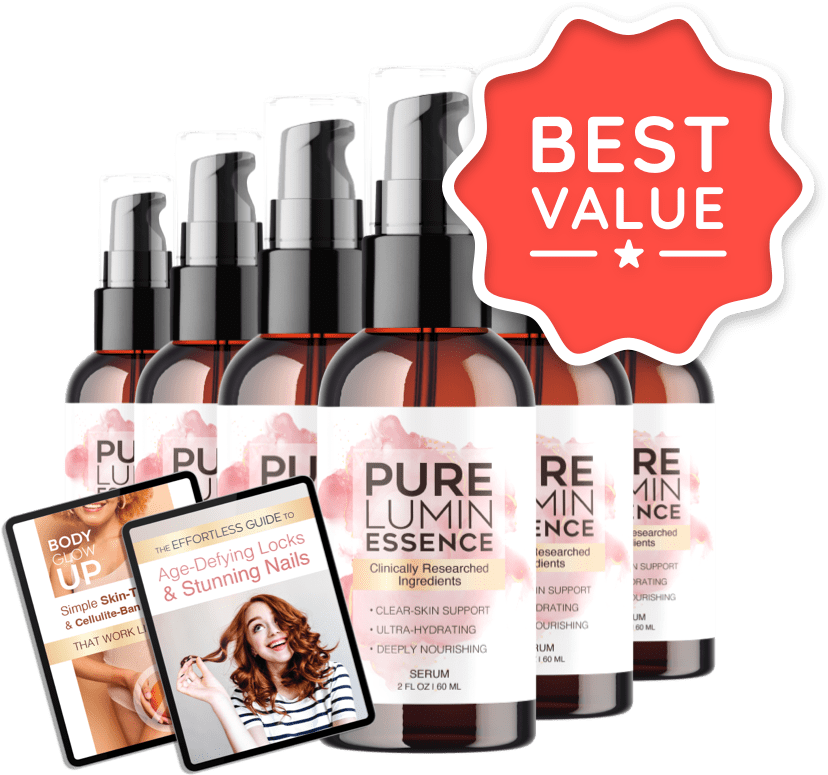
PureLumin Essence Bonuses

Is PureLumin Essence Safe for Regular Skincare?
Based on its highlighted ingredients, PureLumin Essence contains substances commonly encountered in cosmetic skincare. However, ingredient familiarity does not automatically establish finished-product safety, because concentrations, pH, additional ingredients, and individual sensitivities all influence tolerability.
Patch testing, avoiding irritated skin, and consistent sun protection are sensible precautions. I would also verify the complete ingredient label and follow any manufacturer-specific warnings rather than assuming the serum is appropriate for every skin type.
The product should not be described as FDA-approved without valid product-specific regulatory evidence. Cosmetic marketing claims and regulatory approval are different matters.
Compatibility With Other Skincare Products and Medications
I would pay particular attention to how PureLumin Essence fits alongside existing skincare products. Combining exfoliating acids with prescription retinoids, benzoyl peroxide, strong chemical peels, or additional exfoliating treatments can increase dryness and irritation.
There is no basis here to claim a specific systemic medication interaction from ordinary topical application. Nevertheless, people using prescription pigmentation treatments, photosensitizing medications, or dermatological therapies should consult their clinician before introducing another active serum.
A gentle cleanser, suitable moisturizer, and sunscreen may help support a more comfortable routine.
Who Should Consider PureLumin Essence?
I believe the product is most relevant to consumers seeking cosmetic improvement in uneven pigmentation rather than treatment for an undiagnosed medical skin condition.
Potentially suitable buyers:
- People concerned about visible dark spots: Those experiencing superficial uneven pigmentation may appreciate a formula containing recognized brightening ingredients.
- Consumers seeking smoother-looking skin: The exfoliating components may appeal to individuals dealing with dullness alongside discoloration.
- People who prefer targeted topical application: The liquid format offers flexibility for applying skincare to selected areas.
People who should avoid it or seek guidance:
- Those with highly reactive or damaged skin: Active acids may aggravate existing irritation or compromised skin barriers.
- People with changing or unusual pigmented lesions: New, bleeding, irregular, or evolving spots require professional assessment rather than cosmetic treatment.
- Pregnant or breastfeeding individuals: Professional guidance is appropriate because the complete formulation and individual circumstances should be reviewed.
What I Didn’t Like About PureLumin Essence
Despite my favorable overall impression, I identified several considerations that I would want consumers to understand before purchasing.
- The promotional mechanism is oversimplified. Describing pigmentation as melanin leaking to the skin’s surface does not fully explain the biological processes involved. I prefer the more established explanation involving melanin synthesis, pigment distribution, and epidermal renewal.
- The full formulation deserves closer examination. The highlighted ingredients are encouraging, but concentrations and complete labeling are important when evaluating acid-containing skincare. I would examine the actual package before beginning regular application.
- Results depend on the pigmentation concern. Superficial discoloration may respond differently from melasma or deeper pigmentation. A cosmetic serum cannot reasonably be expected to address every type of dark spot equally.
These limitations do not eliminate the product’s appeal. They simply reinforce the importance of realistic expectations and appropriate skincare practices.
Is PureLumin Essence a Scam or Legit?
Based on my investigation, PureLumin Essence is marketed as a topical dark-spot serum with an identifiable cosmetic purpose and highlighted ingredients that have relevant scientific backgrounds. That provides a reasonable basis for evaluating it as a skincare product. However, I would not treat dramatic pigmentation-removal promises as established facts without controlled testing of the finished formula.
My conclusion is that the concept is credible, but product legitimacy and guaranteed effectiveness are not interchangeable. Buyers should verify the seller’s identity, complete labeling, checkout conditions, and refund requirements. I see no sound reason to label the product a scam solely from its promotional positioning, but neither would I regard its more ambitious marketing language as independently verified.
Three Amazon Alternatives Worth Knowing
For readers comparing pigmentation-focused products, I identified three recognizable skincare alternatives sold through Amazon listings, although seller availability can change.

- Good Molecules Discoloration Correcting Serum: A targeted formula associated with tranexamic acid derivatives and niacinamide. It appeals to consumers who prefer pigmentation-focused ingredients without emphasizing multiple exfoliating acids.
- TruSkin Vitamin C Facial Serum: A vitamin C-centered skincare option designed around antioxidant care and the appearance of radiance. It may suit shoppers whose priority includes overall complexion brightness.
- AXIS-Y Dark Spot Correcting Glow Serum: A niacinamide-focused product combining brightening and moisturizing skincare elements. Its positioning is relevant to consumers seeking gentle-feeling everyday cosmetic care.


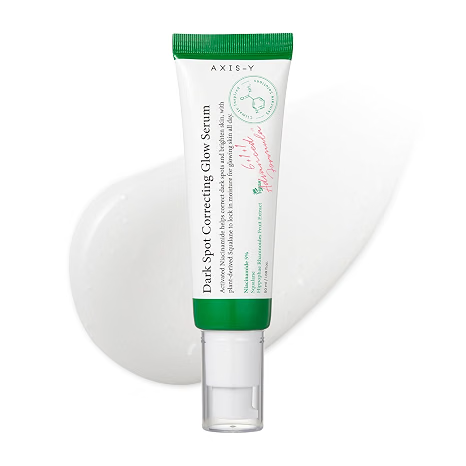
My preference for PureLumin Essence remains based on its particular combination of botanical pigment-focused extracts and exfoliating acids. These alternatives represent different formulation strategies rather than direct substitutes with identical benefits.
PureLumin Essence 60-Day Money-Back Guarantee
An important purchasing consideration is the advertised 60-day money-back guarantee associated with PureLumin Essence. A defined refund period can offer useful reassurance when purchasing a skincare product that requires individual compatibility and consistent use.
However, the supplied guarantee information establishes the advertised duration, not every eligibility condition. Before ordering, I recommend confirming when the 60-day period begins, whether opened containers qualify, whether return authorization is required, and who pays any applicable return shipping.
I would also keep the order confirmation and review the current terms on the official website. Those details determine the practical value of the guarantee and help prevent avoidable misunderstandings.
Frequently Asked Questions About PureLumin Essence
1. Can PureLumin Essence help fade dark spots?
Q: Is PureLumin Essence designed to reduce visible discoloration?
A: Yes. The serum is marketed to improve the appearance of dark spots and uneven skin tone. Its highlighted ingredients include compounds associated with pigment regulation and exfoliation. Results depend on the cause of discoloration, skin response, formulation characteristics, and sun protection.
2. How long does it take to notice changes?
Q: When might visible improvements begin?
A: Skin renewal and pigment fading are gradual processes. Some individuals may notice cosmetic changes over several weeks, while persistent discoloration can take substantially longer. There is no verified universal results timeline for this specific finished formula.
3. Can I apply it to my hands and chest?
Q: Is PureLumin Essence intended only for facial skincare?
A: No. The supplied directions include the face, chest, hands, and other areas with visible spots. I would still use caution because skin thickness and sensitivity vary across the body. Avoid delicate or damaged areas unless specifically approved by a dermatologist.
4. Is it suitable for sensitive skin?
Q: Can people with sensitive skin use the formula?
A: Some may tolerate it, but glycolic acid, mandelic acid, and kojic acid can cause irritation. Anyone with a history of reactive skin should review the full label, patch-test appropriately, and seek professional advice when necessary.
5. Can it replace sunscreen?
Q: Does PureLumin Essence provide sun protection?
A: No. It should not be treated as a sunscreen or substitute for protective skincare. Broad-spectrum SPF 30 or higher sunscreen remains important, particularly because alpha-hydroxy acids can increase sunlight sensitivity.
6. Can it be combined with retinol?
Q: Is it appropriate to use this serum alongside retinol products?
A: Combining multiple active treatments may increase dryness, peeling, and irritation. I would avoid introducing both simultaneously without professional guidance, especially for sensitive skin or people using prescription retinoids.
7. Is it appropriate for melasma?
Q: Can PureLumin Essence be used on melasma-related pigmentation?
A: Some highlighted ingredients are relevant to pigmentation care, but melasma can involve hormonal and environmental triggers and often requires a tailored treatment plan. A dermatologist can determine whether a cosmetic serum is suitable alongside appropriate sun protection and other treatment.
8. Where should I purchase it?
Q: What is the recommended purchasing source?
A: I would begin with the official product website to review current availability, product information, and refund terms. Confirming that the checkout belongs to an authorized seller is important, particularly when a money-back guarantee influences the purchasing decision.
My Final Verdict on PureLumin Essence
After examining its highlighted ingredients, intended applications, and the skincare science associated with pigmentation management, I consider PureLumin Essence an appealing option for consumers interested in improving the appearance of dark spots and uneven skin tone. Its combination of kojic acid, exfoliating acids, and botanical extracts provides a coherent cosmetic approach, while the drop-based application offers practical flexibility for different areas of the body.
The strengths that influenced my 4.5/5 editorial rating are its recognizable ingredient profile, dual focus on pigmentation and surface renewal, and advertised purchase protection. I would still approach the product with realistic expectations because discoloration is influenced by multiple factors, and irritation or inconsistent sun protection can interfere with progress. The complete formulation and individual skin compatibility remain important considerations.
Overall, I see this serum as a worthwhile product to investigate for people seeking targeted dark-spot skincare without immediately pursuing more intensive cosmetic procedures. Its formulation concept is particularly attractive when paired with gentle skincare habits and consistent sunscreen use. For readers who feel its ingredient approach matches their needs, I recommend reviewing the current product details and purchase terms for PureLumin Essence before deciding.
Disclaimer
This review is for informational purposes and does not replace professional dermatological advice. Skincare outcomes vary, and individuals with persistent pigmentation, sensitive skin, or underlying skin conditions should consult a qualified professional. This article contains affiliate links, meaning I may earn a commission from qualifying purchases at no additional cost to the buyer. The 4.5/5 rating represents an editorial assessment, not independently verified clinical effectiveness.
References
- American Academy of Dermatology Association. How to Fade Dark Spots in Darker Skin Tones. Explains common pigmentation triggers, the importance of sun protection, and skincare ingredients used to improve discoloration.https://www.aad.org/public/everyday-care/skin-care-secrets/routine/fade-dark-spots
- Zilles, J. C., et al. Biological Activities and Safety Data of Kojic Acid and Its Derivatives: A Review. Experimental Dermatology, 2022. Reviews kojic acid’s pigment-modulating properties, dermatological applications, and safety considerations.https://pubmed.ncbi.nlm.nih.gov/35960194/
- Yokota, T., et al. The Inhibitory Effect of Glabridin From Licorice Extracts on Melanogenesis and Inflammation. Pigment Cell Research, 1998. Investigates glabridin’s effects on tyrosinase activity, pigmentation, and inflammation in experimental models.https://pubmed.ncbi.nlm.nih.gov/9870547/
- U.S. Food and Drug Administration. Alpha Hydroxy Acids. Explains how cosmetic exfoliating acids work, possible irritation, sun sensitivity, and important consumer precautions.https://www.fda.gov/cosmetics/cosmetic-ingredients/alpha-hydroxy-acids
- American Academy of Dermatology Association. Melasma: Diagnosis and Treatment. Describes pigmentation management, dermatological treatment options, and the role of consistent sun protection.https://www.aad.org/public/diseases/a-z/melasma-treatment