

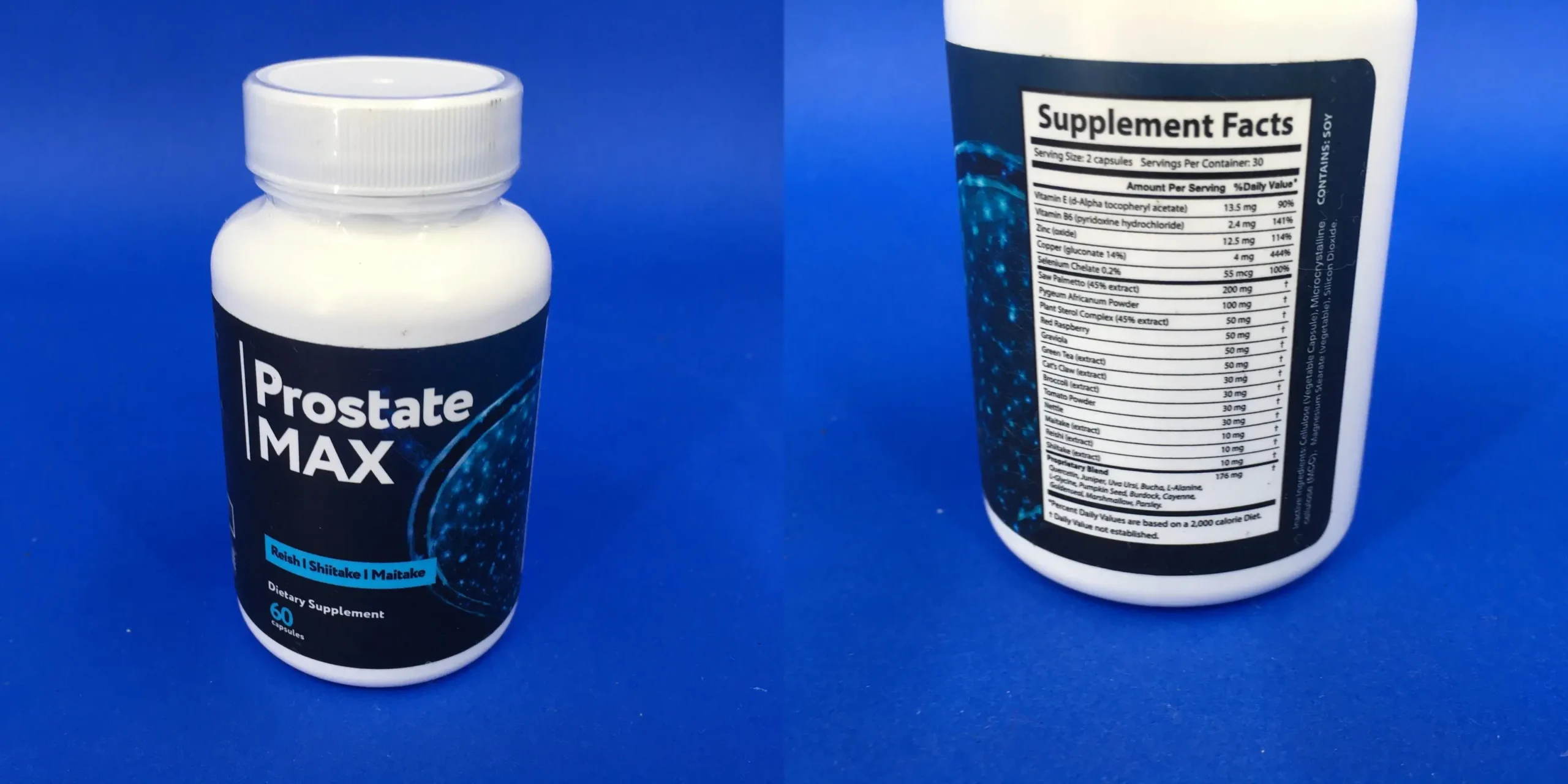
A healthy prostate rarely receives much attention until everyday routines begin to change. Frequent bathroom visits, interrupted sleep, urinary urgency, and concerns about maintaining normal urinary function can make men more interested in nutritional support as they get older. That growing interest has created a substantial market for prostate health supplements, including Prostate Max, a botanical and nutrient-based formula designed for daily wellness.
What attracted my attention to Prostate Max was its combination of traditional prostate-supporting plants, essential minerals, antioxidants, and medicinal mushrooms. Rather than focusing exclusively on saw palmetto, the formula takes a broader nutritional approach to men’s health. I wanted to understand whether that combination offers practical advantages and how its ingredients compare with published research.
This is my detailed, research-based review of what I discovered about Prostate Max, including its potential results, ingredients, side effects, dosage, advantages, drawbacks, and whether it appears to be a scam or a legitimate supplement. I also examine the scientific evidence, purchasing considerations, and 60-day guarantee to help readers make an informed decision.
Prostate Max Product Overview
Before examining the individual ingredients, I think it is helpful to establish exactly what this supplement offers and what prospective buyers should expect.
| Product Information | Details |
|---|---|
| Product Name | Prostate Max |
| Category | Men’s prostate health dietary supplement |
| Primary Purpose | Designed to support prostate wellness, urinary comfort, and normal urinary function |
| Supplement Format | Oral capsules intended for convenient daily use |
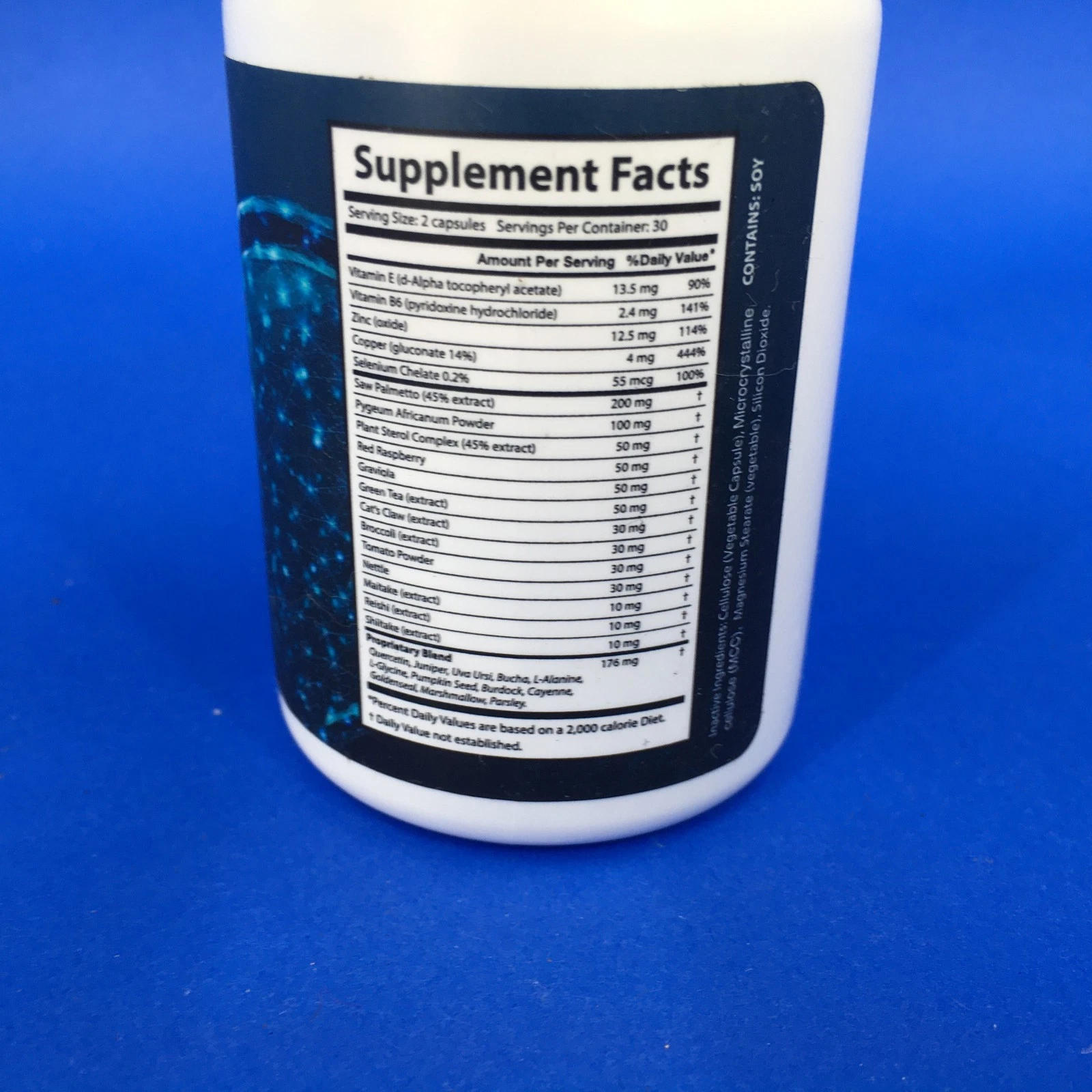
| Highlighted Botanical Ingredients | Saw palmetto, pygeum, nettle, plant sterols, green tea, graviola, cat’s claw, red raspberry, broccoli, and tomato powder |
| Additional Nutritional Components | Vitamins E and B6, zinc, copper, selenium, and maitake, reishi, and shiitake mushrooms |
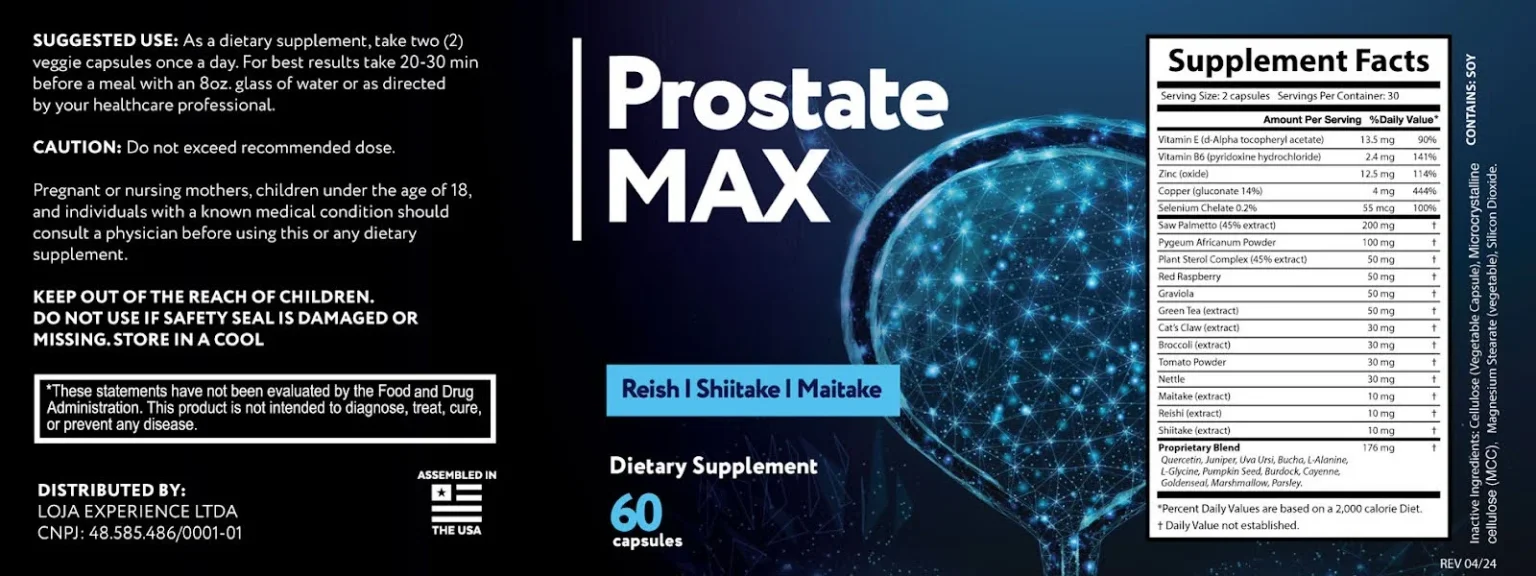
| Recommended Daily Usage | 2 capsules daily |
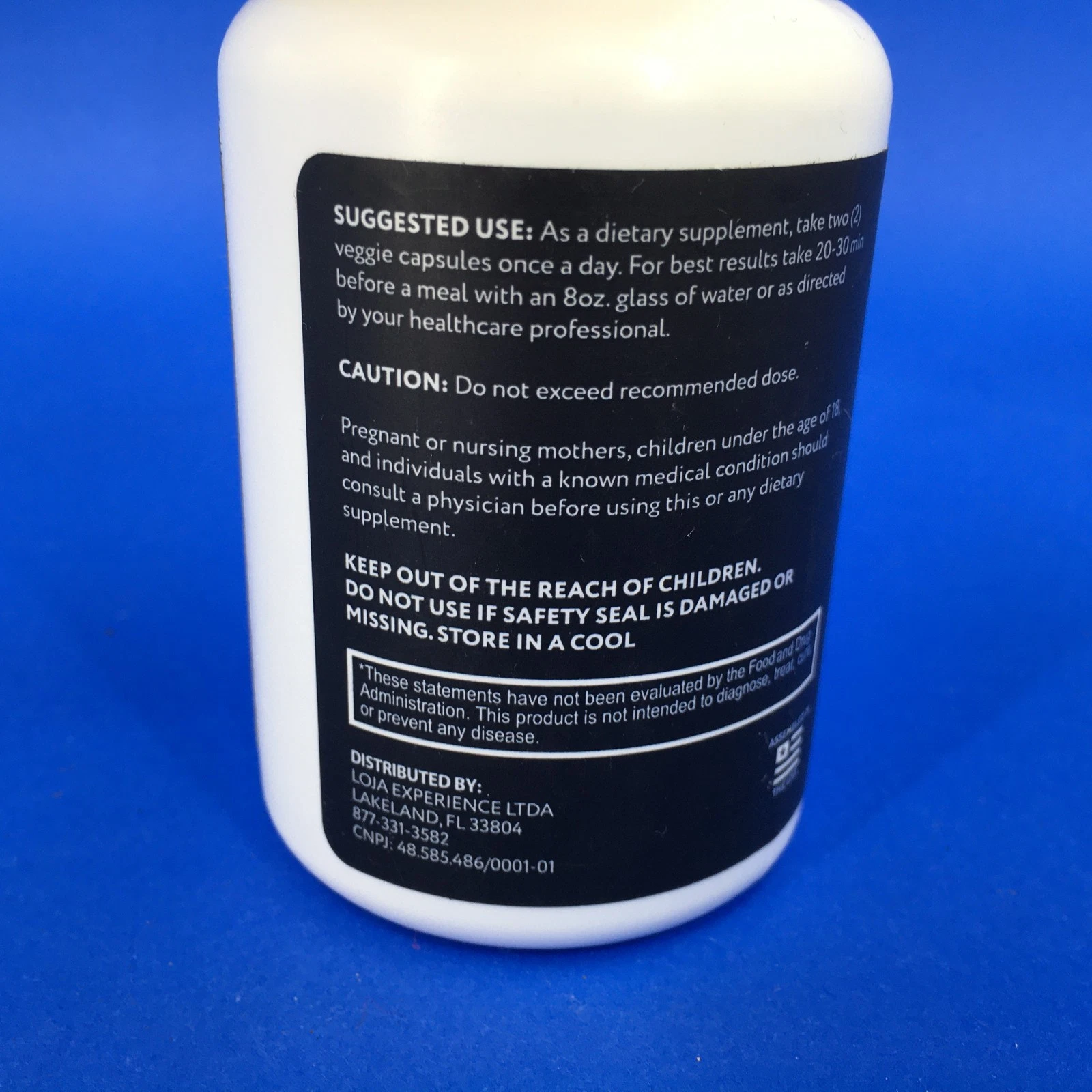
| Manufacturing Information | Marketed as manufactured in FDA-registered facilities; independent facility documentation was not established |
| Pricing and Offers | Check the official sales page for current package options and promotions |
| Money-Back Guarantee | Advertised 60-day guarantee; eligibility and return conditions should be confirmed before ordering |
| Overall Editorial Rating | 4.5/5 — ★★★★½ |
| Official Website | ✅ Click Here |
My overall impression is that the product has an appealing nutritional concept, particularly for men interested in combining prostate-focused botanicals with broader antioxidant support. Its convenient capsule format and advertised purchase protection are additional attractions, although neither should be confused with evidence of clinical effectiveness.
What Is Prostate Max?
Prostate Max is a dietary supplement formulated for adult men who want to maintain prostate wellness and support comfortable urinary function as part of their everyday health routine. Its formulation combines plant extracts traditionally associated with men’s urinary health alongside vitamins, minerals, and antioxidant-rich botanical ingredients.
One distinctive feature is its diversity. Saw palmetto, pygeum, and nettle are recognizable ingredients in the prostate supplement category, while zinc, selenium, and vitamin E provide nutritional functions extending beyond prostate health. The inclusion of mushrooms and cruciferous vegetables gives the formulation a broader wellness orientation.
The manufacturer positions the product as a convenient, naturally inspired supplement for men concerned about age-related prostate changes. Its marketing also highlights manufacturing quality and suitability for different lifestyles. However, claims concerning allergen status, manufacturing certification, and specific product testing should be checked against current packaging and supporting documentation.
I see Prostate Max primarily as a daily nutritional support option, not as a treatment for benign prostatic hyperplasia (BPH), prostatitis, urinary obstruction, or prostate cancer. Men experiencing persistent urinary symptoms should obtain a medical evaluation rather than relying on supplements to determine the cause.
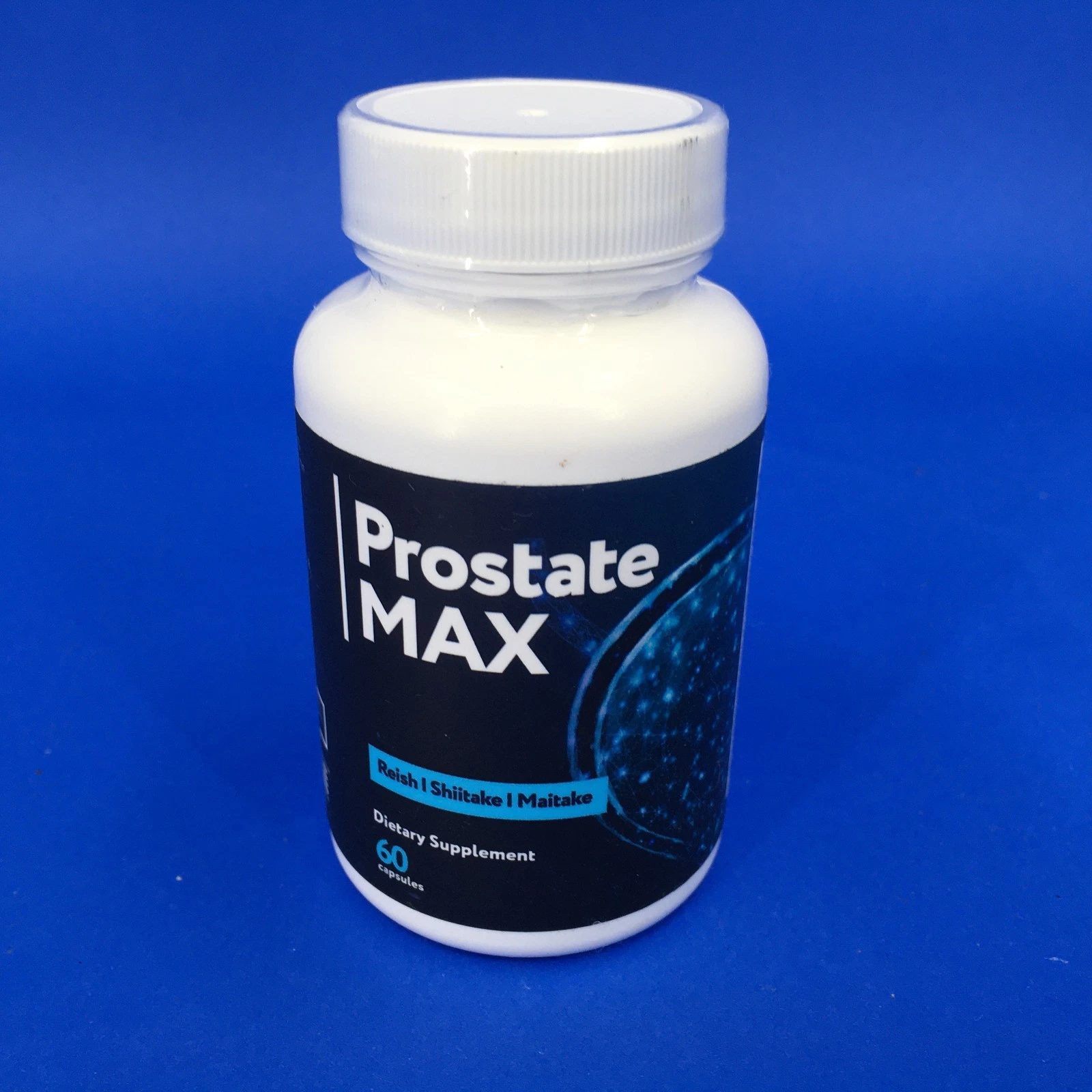
How Prostate Max Is Designed to Work
The formulation follows a multi-component approach that addresses nutritional pathways associated with prostate health rather than relying on one isolated ingredient.
Its botanical foundation includes saw palmetto, pygeum, and nettle. These plants contain naturally occurring compounds studied for their relationships with urinary function, prostate tissue, and androgen metabolism. Some laboratory investigations have examined their possible influence on inflammatory signaling and enzymes involved in hormone metabolism, although laboratory mechanisms do not establish clinical benefits.
A second component involves antioxidants and micronutrients. Zinc supports normal immune function and cellular metabolism, while selenium contributes to antioxidant enzyme activity. Vitamin E helps protect cells against oxidative damage, and plant compounds from green tea, tomatoes, broccoli, and mushrooms broaden the supplement’s nutritional profile.
I find this combination conceptually attractive because prostate wellness is not isolated from overall health. Nevertheless, the body responds to actual ingredient concentrations and bioavailability, not simply the number of compounds listed on a label. Any improvement in urinary comfort would need to be assessed individually, and the supplement should not be expected to shrink an enlarged prostate or relieve an obstruction.
Prostate Max Ingredients: My Detailed Formula Analysis
The main reason I became interested in Prostate Max is its combination of recognizable prostate-support ingredients and complementary nutrients. Below, I examine every highlighted component, including its established nutritional properties and its relevance to men’s health.
🍃 Saw Palmetto
Saw palmetto comes from the berries of Serenoa repens, a palm traditionally used in men’s urinary health supplements. Its fatty acids and phytosterols have attracted research interest because of their possible interactions with pathways involved in prostate physiology.
Although it remains a widely recognized prostate supplement ingredient, high-quality reviews generally find little or no improvement in BPH symptoms when saw palmetto is used alone. Its inclusion provides a familiar botanical foundation, but clinical results from single-herb research cannot automatically be attributed to this combination.
🍃 Pygeum Africanum
Pygeum is derived from the bark of the African cherry tree, Prunus africana. It contains phytosterols and other plant compounds investigated for urinary comfort and prostate-related symptoms.
Older clinical reviews reported modest improvements in urinary symptoms and flow measurements with certain pygeum extracts. However, many studies were relatively small or short, so I regard pygeum as an interesting component rather than evidence that the finished formula will deliver identical results.
🍃 Vitamin E
Vitamin E is a fat-soluble antioxidant that protects cell membranes against oxidative damage. This established nutritional function makes it a logical addition to a supplement intended to support cellular wellness.
An important distinction is that antioxidant activity does not mean prostate cancer prevention. Large clinical research has found increased prostate cancer risk with certain high-dose vitamin E supplementation, making the amount provided and total intake important considerations.
🍃 Vitamin B6
Vitamin B6 supports amino acid metabolism, neurotransmitter production, and normal immune function. These processes contribute to overall physical wellness, especially when dietary intake is inadequate.
I view B6 as a supporting nutrient rather than a primary prostate-targeting ingredient. Adequate intake is beneficial, but excessive long-term supplementation can cause nerve damage, so combining multiple B6-containing products deserves attention.
🍃 Zinc
Zinc is essential for immune function, protein synthesis, and normal cellular activity. The prostate contains relatively high concentrations of zinc, which has encouraged considerable scientific interest in its biological role.
Its inclusion strengthens the nutritional aspect of the formula, particularly for people with insufficient dietary zinc intake. However, additional zinc does not necessarily improve urinary symptoms in someone whose zinc status is already adequate.
🍃 Copper
Copper contributes to iron metabolism, connective tissue formation, and antioxidant enzyme systems. It also works within a delicate nutritional balance involving zinc.
Including copper alongside zinc can be sensible because excessive zinc intake may interfere with copper absorption. The benefit depends on the actual amounts supplied and the individual’s existing nutritional intake.
🍃 Selenium Chelate
Selenium is required for antioxidant enzymes and normal thyroid function. Chelated forms are used in supplements to deliver selenium in a mineral-bound preparation, although absorption depends on the specific compound.
Selenium supports essential nutritional processes, but supplementation has not been demonstrated to prevent prostate cancer. Because excessive selenium can cause toxicity, I would check the combined daily intake from Prostate Max and other supplements.
🍃 Plant Sterol Complex
Plant sterols are naturally occurring compounds found in vegetables, nuts, seeds, and other plant materials. Certain phytosterols, particularly beta-sitosterol, have been investigated for their potential influence on urinary symptoms.
Some research suggests that specific beta-sitosterol preparations may offer symptomatic benefits, although long-term outcomes remain uncertain. I appreciate the inclusion of this ingredient category, while recognizing that different sterol blends are not necessarily interchangeable.
🍃 Red Raspberry
Red raspberry contains polyphenols and other naturally occurring plant compounds with antioxidant properties. Its inclusion broadens the botanical diversity of the supplement.
Evidence specifically supporting red raspberry for prostate-related urinary symptoms is limited. I consider it a complementary plant ingredient rather than one of the formula’s principal prostate-focused components.
🍃 Graviola
Graviola, also called soursop, is a tropical plant containing numerous biologically active compounds. Certain constituents have attracted laboratory research interest for their effects on cellular processes.
However, laboratory findings should not be interpreted as evidence of cancer treatment or prevention. Graviola also raises safety considerations, particularly with concentrated or prolonged exposure to certain compounds, so its presence warrants careful review.
🍃 Green Tea
Green tea contains catechins, including EGCG, known for antioxidant activity. These compounds have been studied in relation to cellular signaling, oxidative stress, and broader metabolic health.
Green tea offers an interesting complementary element, although ordinary tea consumption and concentrated extracts have different safety profiles. Some concentrated extracts have been associated with liver injury, making the extract type and concentration relevant.
🍃 Cat’s Claw
Cat’s claw refers to plants in the Uncaria genus traditionally used in South American herbal practices. Its alkaloids and polyphenols have been investigated for immune-related and inflammatory pathways.
I see this as a general botanical wellness addition rather than a clinically established prostate ingredient. It may also be unsuitable for people taking certain immune-modifying or blood-pressure medications.
🍃 Broccoli
Broccoli contains glucosinolates that can produce compounds such as sulforaphane during digestion and food preparation. These substances have attracted research interest because of their influence on cellular defense pathways.
Its inclusion contributes to the formula’s plant-based nutritional profile. However, broccoli-derived ingredients in capsules should not be assumed to reproduce the nutritional benefits of eating adequate vegetables.
🍃 Tomato Powder
Tomatoes provide carotenoids, especially lycopene, a pigment studied for its antioxidant properties and possible relationships with prostate health.
Tomato powder offers an appealing food-derived component, although lycopene availability varies with processing and formulation. Research has not established that taking tomato-derived supplements prevents prostate cancer or reliably improves urinary symptoms.
🍃 Nettle
The ingredient supplied as “Nettke” appears intended to refer to nettle, commonly Urtica dioica. Nettle root is used in traditional prostate-support preparations and has been examined in research involving lower urinary tract symptoms.
Nettle is particularly relevant because of its long history in men’s herbal supplements. Still, evidence for specific combinations is variable, and nettle preparations should not be assumed to increase testosterone.
🍃 Maitake
Maitake is an edible mushroom containing polysaccharides, including beta-glucans, studied for their interactions with immune-related pathways.
I regard maitake as an ingredient supporting the formula’s wider wellness theme. Its direct clinical relevance to prostate-related urinary symptoms remains uncertain.
🍃 Reishi
Reishi is a medicinal mushroom traditionally used in East Asian wellness practices. It contains triterpenes and polysaccharides that have attracted laboratory and clinical research interest.
Reishi adds another category of bioactive plant compounds to the supplement. Concentrated preparations can cause adverse effects or interact with medications, including drugs affecting bleeding.
🍃 Shiitake
Shiitake is an edible mushroom containing fiber, polysaccharides, and other nutrients. Its beta-glucan content has generated interest in immune and general nutritional research.
As part of this combination, shiitake supports botanical diversity rather than serving as an established treatment for prostate conditions. Its practical contribution depends on preparation, concentration, and individual tolerance.
Six Potential Benefits of Prostate Max
After reviewing the formula, I identified six reasons Prostate Max may appeal to men seeking a convenient nutritional supplement.
⭐ 1. Supports a Prostate-Focused Wellness Routine
The main appeal is the inclusion of botanicals traditionally associated with prostate health. Saw palmetto, pygeum, nettle, and plant sterols establish a recognizable focus that distinguishes this supplement from general men’s multivitamins.
This gives buyers a targeted nutritional option, although its ability to change prostate size or treat diagnosed conditions has not been established.
⭐ 2. Designed With Urinary Comfort in Mind
Urinary frequency, urgency, and disrupted nighttime routines often motivate interest in prostate supplements. Pygeum and certain phytosterols have been studied for urinary outcomes, providing a reasonable basis for examining their inclusion.
The actual response to Prostate Max is uncertain, and persistent urinary symptoms require assessment because several conditions can produce similar complaints.
⭐ 3. Provides Antioxidant Nutritional Support
Vitamin E, selenium, green tea, tomatoes, and broccoli provide nutrients or phytochemicals associated with antioxidant functions.
These substances contribute to normal cellular processes, making the formula relevant to broader wellness interests. However, antioxidant ingredients should not be interpreted as guaranteed protection against prostate disease.
⭐ 4. Complements Normal Immune Function
Zinc, selenium, and vitamin B6 play established roles in normal immune function, while the mushroom ingredients contribute additional compounds investigated in immune-related research.
I appreciate this broader nutritional orientation because it moves the product beyond a single-herb concept. Its value is most straightforward when supporting adequate nutrient intake rather than attempting to stimulate an already healthy immune system.
⭐ 5. Simplifies Daily Supplementation
Taking two capsules per day is a relatively uncomplicated routine for people accustomed to dietary supplements. The format avoids powders, complicated preparation, and multiple separate botanical products.
Convenience can help users follow a consistent routine, although it does not determine clinical effectiveness.
⭐ 6. Offers a Broad Botanical Combination
The inclusion of traditional herbs, vegetables, plant sterols, and mushrooms gives Prostate Max a distinctive formula profile.
This comprehensive approach may appeal to men who prefer a multi-ingredient supplement. At the same time, a broader formulation requires greater attention to ingredient quantities, medication interactions, and tolerability.
Scientific Evidence Behind Prostate Max
I found that the scientific rationale for this supplement rests primarily on research involving individual ingredients rather than clinical trials of the completed formulation.
The strongest relevant areas include studies of pygeum and plant sterols for urinary symptoms, along with established nutritional functions of zinc, selenium, and vitamins. A systematic review of pygeum research identified modest symptomatic improvements, although study quality and duration limited the conclusions.
Saw palmetto requires a more cautious interpretation. The National Center for Complementary and Integrative Health reports that a 2023 review found little or no benefit from saw palmetto alone for BPH symptoms. Evidence concerning complex botanical combinations remains less certain.
The National Cancer Institute’s SELECT trial also provides an important reminder that higher antioxidant intake is not automatically beneficial. Specific vitamin E supplementation increased prostate cancer risk in that research, and selenium supplementation did not establish a preventive benefit.
I did not identify independently verifiable, published human clinical trials demonstrating the safety or effectiveness of the finished Prostate Max formulation. Consequently, ingredient research supports discussion of the formula’s rationale, not claims of clinically proven product results.
Prostate Max vs. Typical Prostate Supplements
A meaningful comparison should examine the formulation and purchasing experience, not simply the number of ingredients advertised.



| Comparison Factor | Prostate Max | Typical Prostate Supplement |
|---|---|---|
| Formula Approach | Combines prostate-focused herbs, micronutrients, vegetables, and mushrooms | May emphasize a narrower selection of prostate-targeted ingredients |
| Botanical Coverage | Highlights saw palmetto, pygeum, nettle, and plant sterols | Ingredients vary; some products rely mainly on saw palmetto |
| Nutritional Support | Includes zinc, selenium, copper, and vitamins | Some provide added nutrients; others contain botanical extracts only |
| Convenience | Two capsules daily | Commonly one or more capsules daily, depending on product |
| Clinical Evidence | Ingredient-level research; finished-product trials not verified | Evidence varies considerably by product and formulation |
| Transparency | Exact quantities and manufacturing documentation should be checked against current labeling | Some competing labels provide standardized extracts and third-party testing details |
| Value Consideration | Broad formulation may appeal to buyers seeking an all-in-one supplement | Simpler formulas may appeal to buyers targeting specific nutrients |
| Purchase Protection | Advertised 60-day guarantee | Refund protection depends on retailer and manufacturer |
My preference for Prostate Max’s formulation concept comes from its breadth and convenience. However, products with standardized extracts, independently verified quality testing, and transparent Supplement Facts panels may offer practical advantages for buyers prioritizing documentation.
How to Take Prostate Max
The supplied directions recommend two capsules daily. I would follow the current bottle label for any specific timing, food, or administration instructions rather than assuming that the capsules must be taken at a particular hour.
Consistency is reasonable when using a daily supplement, but users should avoid exceeding the labeled serving or combining multiple prostate products without checking overlapping ingredients. People taking prescription medications should seek professional advice before beginning the formula.
I would also recommend keeping a simple record of urinary symptoms, particularly nighttime bathroom visits and changes in comfort. Such tracking can help inform discussions with a clinician, although perceived changes alone cannot establish that a supplement caused them.
Prostate Max Pros and Cons
| Pros | Cons |
|---|---|
| Broad formulation: Combines several recognizable prostate-focused botanicals with complementary nutrients. | Limited product-specific evidence: Published clinical results for the complete formulation were not established. |
| Convenient capsules: A two-capsule daily routine is straightforward for many users. | Complex ingredient profile: Multiple botanicals increase the importance of screening for allergies and interactions. |
| Nutritional diversity: Includes vitamins, minerals, vegetables, and mushroom-derived ingredients. | Label verification needed: Current ingredient quantities, extract standardization, and manufacturing documentation deserve review. |
| Relevant botanical selection: Pygeum, nettle, and plant sterols have a history of investigation in urinary-health research. | Not a medical treatment: It cannot replace evaluation or prescribed treatment of urinary disorders. |
| Men’s wellness focus: Designed specifically for adult men interested in proactive nutritional support. | |
| Advertised purchase protection: A 60-day guarantee may provide reassurance when its terms are satisfied. |
Overall, I find more advantages in the product’s design and convenience than drawbacks in its intended role as a supplement. Its principal limitation is the difference between an interesting ingredient combination and demonstrated results from the completed product.
My Prostate Max Rating
My editorial rating for Prostate Max reflects formulation relevance, convenience, nutritional breadth, and advertised consumer protection. It is not a clinical efficacy score or a verified customer-review average.
Overall Editorial Rating: 4.5/5 — ★★★★½
| Assessment Category | Editorial Score | My Evaluation |
|---|---|---|
| Formula Concept | ★★★★★ 4.8/5 | A thoughtfully broad combination of prostate-oriented herbs and general wellness nutrients. |
| Ingredient Relevance | ★★★★½ 4.6/5 | Contains recognizable botanical ingredients investigated in prostate and urinary-health research. |
| Daily Convenience | ★★★★★ 4.8/5 | Simple two-capsule format suitable for straightforward daily supplementation. |
| Nutritional Breadth | ★★★★½ 4.7/5 | Combines botanical extracts with several essential micronutrients and plant compounds. |
| Scientific Substantiation | ★★★★☆ 4.0/5 | Ingredients have varying levels of supporting evidence, but finished-product efficacy remains unverified. |
| Purchase Protection | ★★★★½ 4.5/5 | Advertised 60-day coverage is appealing, subject to the seller’s applicable conditions. |
I consider 4.5/5 a favorable editorial assessment of the product proposition, with its formula variety and convenience carrying the greatest weight. Readers should not interpret that score as a claim that 90% of users experience improvement or that the supplement has proven therapeutic effectiveness.
Possible Prostate Max Side Effects
Dietary supplements containing multiple plant extracts can cause unwanted reactions, even when ingredients are naturally derived.
Saw palmetto and pygeum have been associated with occasional digestive upset, while saw palmetto may also cause headache or dizziness. Other botanicals can produce individual sensitivities or allergic reactions.
Concentrated green tea extracts deserve particular attention because rare cases of liver injury have been documented. Graviola preparations also present unresolved safety questions, including concerns related to certain neurotoxic constituents.
Excessive intake of zinc, selenium, vitamin E, or vitamin B6 can create additional problems. The practical risk depends on actual quantities, duration, existing medical conditions, and other supplements being taken.
Is Prostate Max Safe?
I would describe the safety profile as requiring individualized assessment rather than guaranteed safety.
Several highlighted ingredients are commonly found in foods or supplements, but the combined effects depend on the formulation and the person taking it. The product’s advertised manufacturing in FDA-registered facilities should not be interpreted as FDA approval, a government safety certification, or proof of clinical efficacy.
Men with liver disease, bleeding disorders, complex medical histories, or existing prostate conditions should speak with a healthcare professional before use. New or worsening urinary symptoms should also be evaluated rather than attributed automatically to normal aging.
Medication Interactions and Important Precautions
Potential interactions deserve attention because Prostate Max includes herbs, concentrated plant compounds, and minerals.
Vitamin E, reishi, and certain botanicals may warrant caution alongside anticoagulant or antiplatelet medications. Minerals such as zinc can interfere with the absorption of certain antibiotics when taken together.
Cat’s claw may be unsuitable with some immunosuppressive treatments, and green tea extracts can interact with particular medications. People already using prostate medications should not assume the supplement is compatible merely because it is marketed for the same health concern.
I recommend having a pharmacist or clinician review the complete label against an individual’s medication and supplement list before use.
Who Should Use Prostate Max and Who Should Avoid It?
Choosing a prostate supplement should reflect personal health goals, current symptoms, and medical history rather than age alone.
Who May Consider Prostate Max?
- Men interested in proactive wellness: Adults seeking a daily supplement centered on prostate-related nutritional support may appreciate its targeted botanical profile.
- Buyers who prefer broad formulations: People who favor combined botanical and micronutrient supplements may find its ingredient diversity attractive.
- Men seeking routine convenience: Those comfortable with capsules may appreciate a simple daily serving without additional preparation.
Who Should Avoid It or Seek Medical Guidance?
- Men with unexplained urinary symptoms: Frequent urination, weak flow, and discomfort deserve medical evaluation before relying on supplements.
- People taking prescription medication: The formula contains ingredients with possible interaction concerns, making professional review important.
- Individuals with relevant allergies or chronic illnesses: Botanical sensitivities, liver conditions, and bleeding disorders can affect suitability.
- Men seeking treatment for diagnosed disease: Supplements should not replace prescribed treatment or appropriate prostate cancer screening discussions.
What I Didn’t Like About Prostate Max
Despite my favorable assessment of its overall concept, I identified several areas that prospective buyers should examine carefully.
- Finished-product evidence is not established: I would welcome published clinical trials examining the complete formula, including urinary symptom scores and tolerability.
- Manufacturing claims need documentation: References to FDA-registered facilities sound reassuring, but I prefer identifiable facilities and independently verifiable testing information.
- Complexity complicates safety screening: A broad botanical blend can be appealing, yet it also creates more potential considerations for people taking medications.
- Guarantee details require confirmation: The advertised 60-day period is useful, but buyers should review the actual refund policy before purchasing.
These limitations do not erase the appeal of the formulation. They are simply areas where additional documentation would strengthen confidence.
Is Prostate Max a Scam or Legit?
Based on the available product information, Prostate Max is presented as a recognizable type of dietary supplement containing ingredients commonly discussed in men’s health research. Its formulation and advertised 60-day guarantee provide identifiable features for consumers to evaluate. However, I could not independently establish sufficient information about the responsible manufacturer, finished-product clinical testing, or manufacturing documentation to issue an unconditional legitimacy endorsement.
I would not label the product a scam without substantiated evidence of deceptive conduct. Equally, I would not accept claims of guaranteed urinary improvement, FDA approval, or prostate disease treatment without appropriate proof. My assessment is that it represents a plausible nutritional supplement offering whose suitability depends on authentic labeling, transparent purchasing terms, and realistic expectations.
Three Amazon Alternatives Worth Knowing
Several prostate health supplements available through Amazon offer different botanical formulations. Three alternatives worth considering include Life Extension, Solaray, and Swanson.

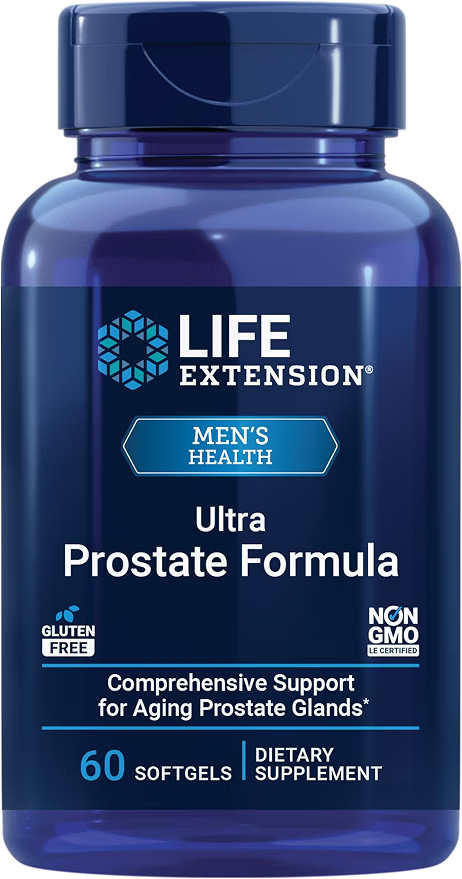
1. Life Extension Ultra Prostate Formula
Life Extension Ultra Prostate Formula contains prostate-focused nutrients and botanical extracts, including saw palmetto. It is designed to support normal urinary function and prostate wellness, making it suitable for men seeking targeted nutritional support.
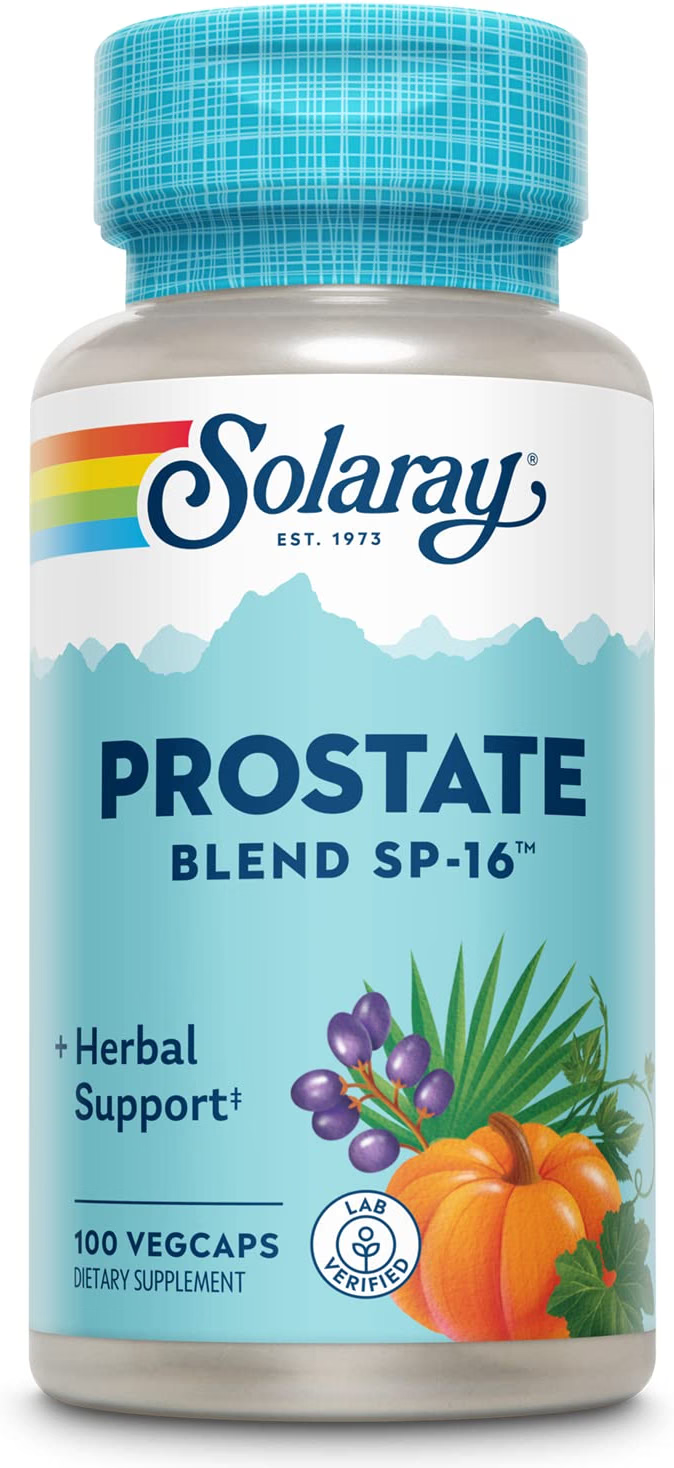
2. Solaray Prostate Blend SP-16
Solaray Prostate Blend SP-16 combines traditional herbs such as saw palmetto, nettle, and pumpkin seed. Its plant-based formulation appeals to men who prefer herbal ingredients commonly associated with prostate health.
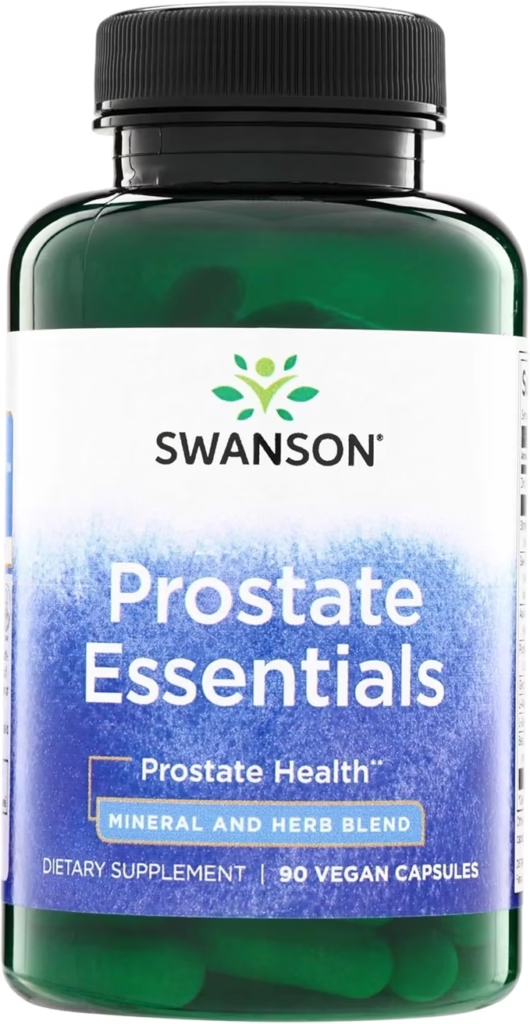
3. Swanson Prostate Essentials
Swanson Prostate Essentials combines vitamins, minerals, and botanical ingredients formulated to support men’s prostate health. It offers a practical option for individuals seeking daily prostate-focused nutritional supplementation.
My Preference: I prefer Prostate Max because its comprehensive formula combines saw palmetto, pygeum, plant sterols, essential minerals, antioxidants, and medicinal mushrooms. This broader nutritional approach makes it particularly appealing for men seeking prostate-focused support alongside general wellness benefits, although it has not been clinically established as more effective than these alternatives.
Prostate Max 60-Day Money-Back Guarantee
One attractive purchasing feature of Prostate Max is its advertised 60-day money-back guarantee. Such a policy can be reassuring for buyers who prefer a defined period to review a purchase rather than accepting an unrestricted final sale.
The stated duration is 60 days, but the information available does not establish every applicable condition. Before purchasing, I recommend checking when the guarantee period begins, whether opened bottles qualify, whether return authorization is required, and whether shipping or handling costs are refundable.
Buyers should also confirm which seller is responsible for honoring the guarantee. Purchasing through the official website may be relevant to eligibility, but official-website-only coverage should not be assumed without reviewing the written policy.
I appreciate that a refund promise is part of the product’s positioning. Still, the strongest purchase protection comes from clear, accessible terms and responsive customer service, so I would save the order confirmation and applicable guarantee information.
Frequently Asked Questions About Prostate Max
Q: What is Prostate Max designed to do?
A: Prostate Max is designed to provide nutritional support for prostate wellness and normal urinary function. It combines traditional botanical ingredients with vitamins, minerals, and antioxidant-containing plant materials. Its intended role is daily supplementation, not the diagnosis or treatment of prostate disease.
Q: How many Prostate Max capsules should I take daily?
A: The supplied recommendation is two capsules per day. Users should follow the current bottle directions and avoid exceeding the suggested serving without professional advice. Anyone taking other supplements should check for overlapping vitamins, minerals, and herbal extracts.
Q: Can Prostate Max help with nighttime urination?
A: The formulation includes ingredients historically investigated for urinary symptoms, including pygeum and plant sterols. However, I found no verified finished-product trial demonstrating that Prostate Max reduces nighttime bathroom visits. Frequent nighttime urination may also have causes unrelated to the prostate.
Q: Does Prostate Max contain saw palmetto?
A: Yes, saw palmetto is among the highlighted ingredients. It is commonly included in prostate supplements because of its traditional use and research history. However, comprehensive clinical reviews have generally found little or no benefit from saw palmetto alone for BPH symptoms.
Q: Is Prostate Max FDA-approved?
A: No FDA approval of Prostate Max has been established, and the FDA does not approve dietary supplements for safety and effectiveness before marketing. Claims about FDA-registered manufacturing facilities should not be confused with product approval or certification of medical benefits.
Q: Can I take Prostate Max alongside prescription prostate medication?
A: I would not combine the supplement with prescription treatment without consulting a clinician or pharmacist. The formula contains botanicals and nutrients that may interact with medications or complicate treatment decisions. Prescribed medication should never be discontinued in favor of a supplement without medical guidance.
Q: Does Prostate Max have a money-back guarantee?
A: The product is advertised with a 60-day money-back guarantee. Buyers should confirm the written refund conditions, eligible purchases, return requirements, and any exclusions before ordering. Retaining purchase records is a sensible precaution if a refund request becomes necessary.
Q: Where can I purchase authentic Prostate Max?
A: The official website is the intended purchasing destination for the product reviewed here. Before completing an order, I recommend checking the seller’s identity, current labeling, payment terms, refund policy, and customer support information to confirm that the listing matches the product described.
My Final Verdict on Prostate Max
After examining its ingredients, intended benefits, safety considerations, and scientific background, I consider Prostate Max an appealing option within the men’s prostate wellness supplement category. Its principal strength is the way it brings together traditional prostate-focused botanicals with nutritional compounds associated with antioxidant activity, immune function, and cellular health. For men who prefer a comprehensive daily supplement rather than several separate products, that combination has practical appeal.
My 4.5/5 editorial rating reflects the formulation concept, nutritional variety, convenient dosage, and advertised purchase protection. The remaining considerations involve verification of product-specific clinical evidence, detailed manufacturing information, and individual tolerability. I would approach the supplement with realistic expectations, maintain regular healthcare appointments, and investigate persistent urinary symptoms rather than treating them through supplementation alone.
Ultimately, I favor a product that makes daily nutritional support straightforward while addressing the interests of men concerned about prostate wellness as they age. For readers who appreciate a broad botanical formulation and are comfortable reviewing the necessary safety and purchasing details, Prostate Max is worth considering as part of an informed approach to men’s health.

Disclaimer
This article is provided for general educational purposes and does not replace professional medical advice, diagnosis, or treatment. Dietary supplements are not intended to diagnose, treat, cure, or prevent disease. Consult a qualified healthcare professional before starting a supplement, particularly if you have urinary symptoms, an existing medical condition, or take medication. Inability to urinate requires emergency medical attention.
Affiliate Disclosure: This article contains affiliate links. I may earn a commission from qualifying purchases at no additional cost to you. Editorial ratings are personal assessments, not verified clinical effectiveness scores.
References
- National Center for Complementary and Integrative Health (NCCIH). Saw Palmetto: Usefulness and Safety. Explains the clinical research on saw palmetto for enlarged-prostate symptoms, including findings from systematic reviews and information about adverse effects.https://www.nccih.nih.gov/health/saw-palmetto
- Ishani A., MacDonald R., Nelson D., Rutks I., and Wilt T. Pygeum africanum for the Treatment of Patients With Benign Prostatic Hyperplasia: A Systematic Review and Quantitative Meta-Analysis. Examines clinical trials investigating pygeum preparations for urinary symptoms and highlights limitations in trial duration and design.https://pubmed.ncbi.nlm.nih.gov/11099686/
- National Cancer Institute (NCI). Selenium and Vitamin E Cancer Prevention Trial (SELECT): Questions and Answers. Summarizes evidence concerning selenium and vitamin E supplementation, including important prostate cancer prevention findings and safety implications.https://www.cancer.gov/types/prostate/research/select-trial-results-qa
- National Institute of Diabetes and Digestive and Kidney Diseases (NIDDK). Enlarged Prostate (Benign Prostatic Hyperplasia). Provides authoritative information about urinary symptoms, diagnosis, lifestyle measures, medical treatments, and warning signs requiring professional care.https://www.niddk.nih.gov/health-information/urologic-diseases/prostate-problems/enlarged-prostate-benign-prostatic-hyperplasia
- U.S. Food and Drug Administration (FDA). FDA 101: Dietary Supplements. Explains how dietary supplements are regulated, why FDA registration does not constitute product approval, and the responsibilities manufacturers have for supplement safety and labeling.https://www.fda.gov/consumers/consumer-updates/fda-101-dietary-supplements