

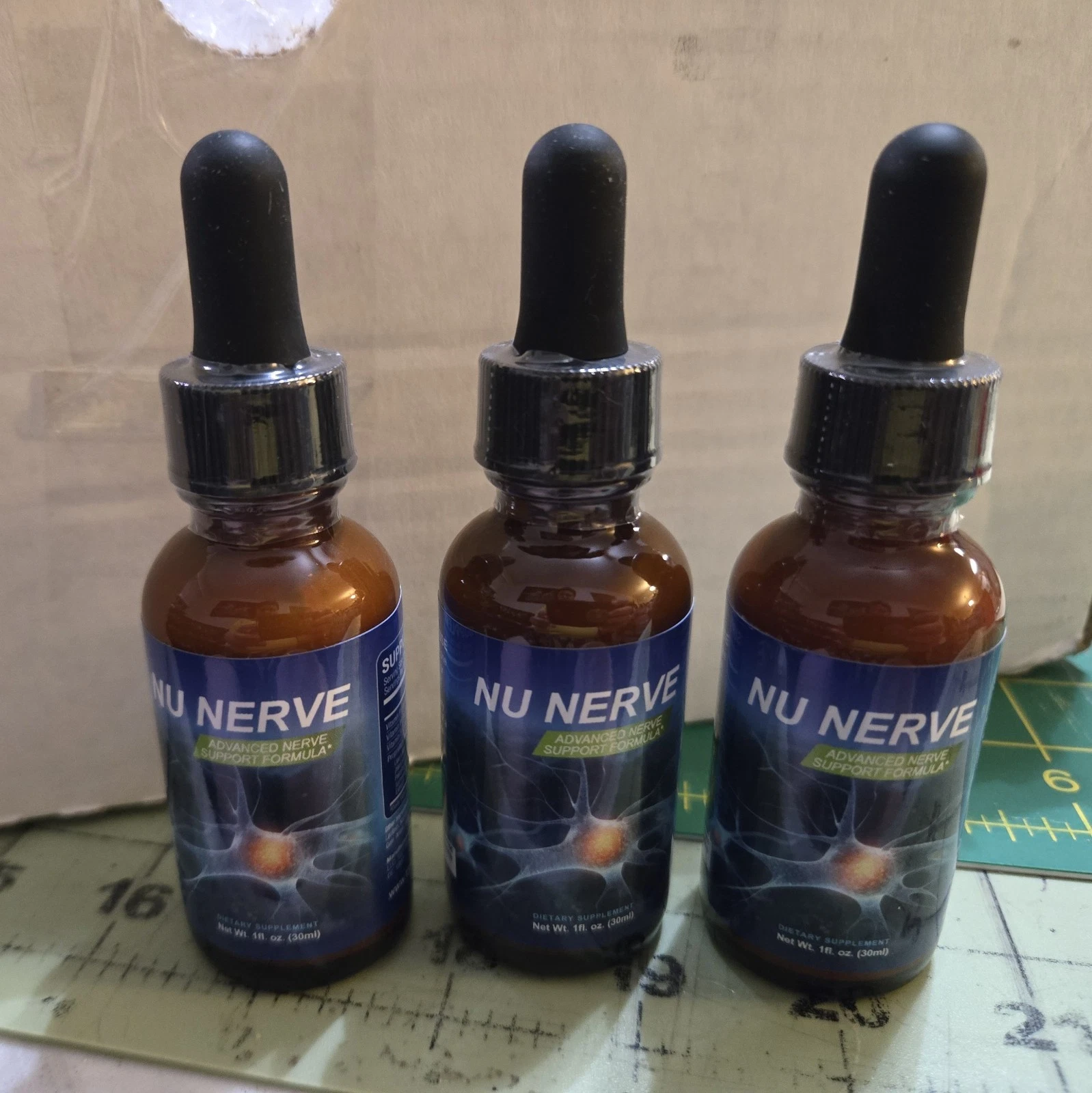
Tingling feet, burning sensations, numbness, and persistent nerve discomfort can make ordinary activities unexpectedly difficult. Understandably, people experiencing these problems often become interested in supplements that promise to support nerve function. NuNerve has attracted attention with its liquid formula, carefully selected nutritional ingredients, and ambitious claims about nano-enhanced absorption and nerve fiber regeneration.
What caught my attention was the combination of palmitoylethanolamide (PEA), R-alpha lipoic acid, B vitamins, and botanical extracts. These ingredients have different scientific backgrounds, making NuNerve more interesting to investigate than a conventional single-ingredient nerve supplement. However, the manufacturer’s claims about rapid absorption and actual nerve regeneration deserve closer examination.
This is my detailed, research-based review of what I discovered about NuNerve, including its potential results, ingredients, side effects, customer feedback, complaints, and whether it appears to be a scam or legitimate supplement. I have not personally tested the product, so my assessment focuses on its formulation, available scientific research, practical advantages, and limitations.
NuNerve Product Overview
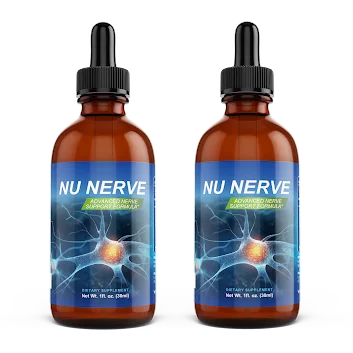
Before examining the formulation in detail, I find it helpful to establish exactly what buyers are getting. NuNerve is positioned as a convenient liquid dietary supplement designed to support nerve health through nutritional compounds and a manufacturer-described nano-delivery system.
| Product Details | Description |
|---|---|
| Product Name | NuNerve |
| Category | Liquid dietary supplement for nerve health |
| Primary Purpose | Supporting normal nerve function, nutritional health, and overall nervous-system wellness |
| Formulation | Liquid drops marketed with nano-technology |
| Highlighted Ingredients | Whole Coffee Fruit Extract, PEA, Vitamins B12, B6 and B1, R-Alpha Lipoic Acid, Lion’s Mane, and Organic Curcumin Longa |
| Recommended Serving | 1 mL, equivalent to one full dropper |
| Target Audience | Adults interested in nutritional support for nerve health |
| Scientific Support | Research exists for selected ingredients; finished-product clinical effectiveness has not been established |
| Pricing | Visit the official product website for current offers and purchasing options |
| Money-Back Guarantee | Advertised 60-day money-back guarantee; complete conditions should be confirmed before ordering |
| Overall Editorial Rating | 4.7/5 — ★★★★½ |
| Official Website | ✅ Click Here |
My initial impression is that the product’s strongest selling points are its convenient format and combination of ingredients relevant to nervous-system nutrition. Its most ambitious promises, particularly physical regeneration of damaged nerve fibers, remain considerably less certain.
What Is NuNerve?
NuNerve is a liquid dietary supplement marketed to people interested in maintaining healthy nerve function and addressing nutritional factors associated with nervous-system wellness. Unlike products built exclusively around B vitamins, it combines vitamins, plant extracts, an antioxidant compound, and PEA.
The manufacturer particularly emphasizes nano technology, suggesting that its delivery system allows nutrients to be absorbed more efficiently than those found in conventional supplements. This is an appealing proposition because ingredient absorption and formulation can influence how certain compounds behave in the body.
However, nano formulation does not automatically establish superior absorption or clinical effectiveness. Those advantages would need to be demonstrated through testing of the finished supplement, ideally including human pharmacokinetic and controlled clinical studies.
The manufacturer’s promotional material also claims that NuNerve is uniquely positioned for nerve fiber regeneration and cites a substantial number of users. I regard these statements as marketing claims rather than independently verified evidence. Supporting normal nerve function is a reasonable nutritional objective, but regenerating damaged nerves is a much more demanding clinical claim.
Inside the NuNerve Formula: My Ingredient Investigation
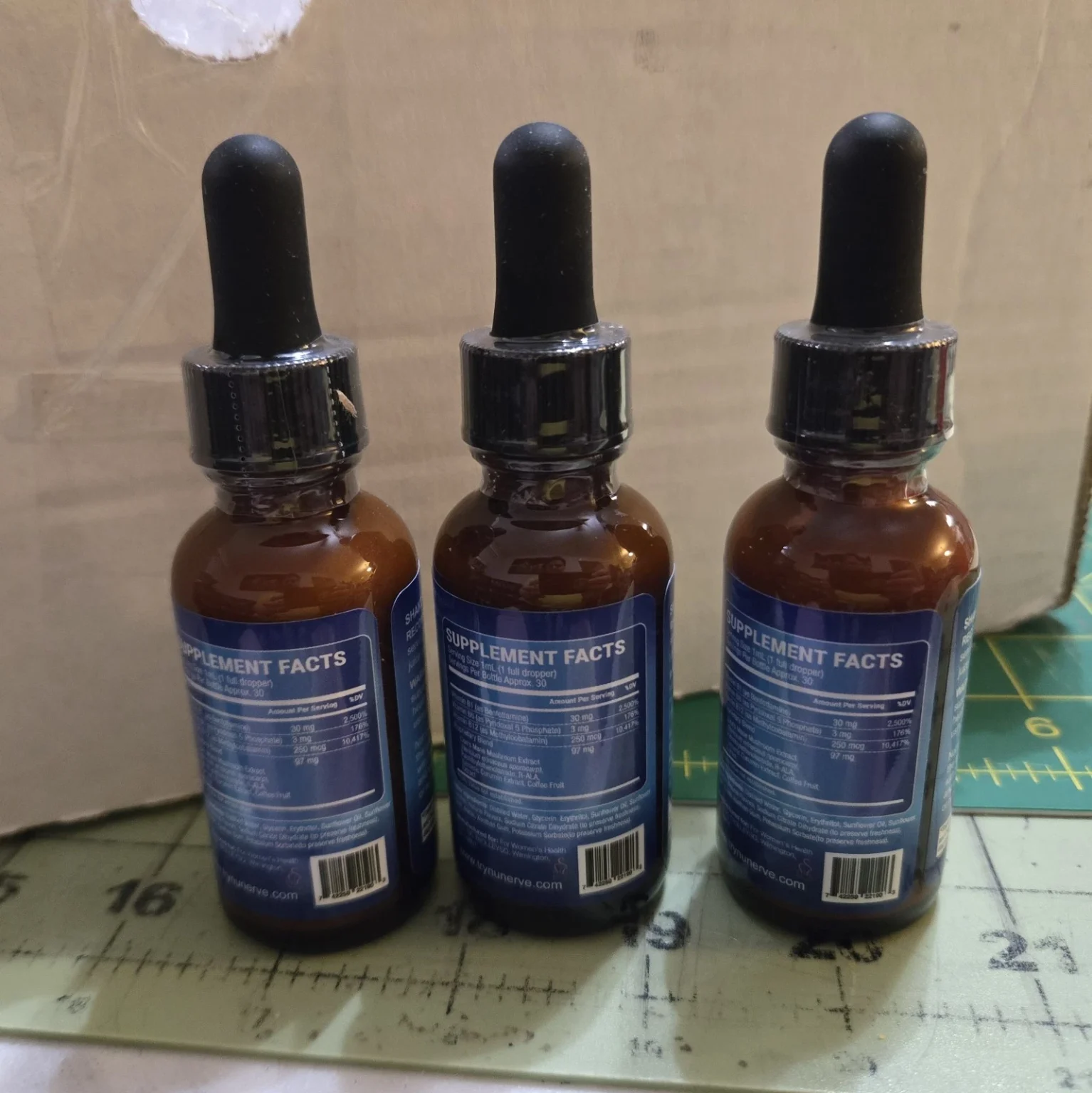
The ingredient profile is the central reason I consider NuNerve worth examining. Its highlighted compounds address several biological processes, including nutritional metabolism, oxidative stress, and inflammatory signaling.
Still, research involving individual compounds cannot determine whether a particular finished blend produces comparable results. The six entries below cover all the ingredients supplied for this review; they should not be mistaken for a verified complete Supplement Facts label.
🍃 Whole Coffee Fruit Extract
Whole coffee fruit extract comes from the fruit surrounding coffee beans and contains naturally occurring polyphenols and other plant compounds. Researchers have investigated coffee-fruit preparations for their antioxidant properties and possible effects on biological pathways involved in cognitive and neurological function.
Its inclusion gives NuNerve an interesting botanical component, but direct clinical evidence supporting coffee fruit extract as a treatment for damaged peripheral nerves is insufficient. I would interpret this ingredient primarily as a source of potentially useful plant compounds rather than a proven nerve-regeneration agent.
🍃 PEA – Palmitoylethanolamide
Palmitoylethanolamide is a naturally occurring lipid mediator involved in cellular responses to inflammation and discomfort. It has received particular research attention for pain-related conditions, including neuropathic pain, with studies investigating its influence on inflammatory signaling.
A 2025 systematic review identified encouraging findings for pain management and general well-being across several clinical populations. Nevertheless, study formulations and quality differ, and those findings cannot establish that NuNerve itself relieves neuropathy. PEA is among the more scientifically relevant ingredients in this formula, although its clinical effects remain formulation- and context-dependent.
🍃 Vitamins B12, B6, and B1
These three B vitamins support essential neurological functions. Vitamin B12 contributes to normal nerve maintenance and myelin-related processes, vitamin B1 supports cellular energy metabolism, and vitamin B6 participates in neurotransmitter production and other biochemical reactions.
Correcting a genuine deficiency can be important for neurological health, particularly with vitamin B12. However, taking extra vitamins does not necessarily improve nerve function when nutritional status is already adequate. Excessive vitamin B6 exposure can itself cause peripheral neuropathy, making total intake from combined supplements particularly important.
🍃 R-Alpha Lipoic Acid
R-alpha lipoic acid is a biologically active form of alpha-lipoic acid, a compound involved in mitochondrial metabolism and antioxidant processes. Alpha-lipoic acid has been extensively investigated for diabetic peripheral neuropathy, making it highly relevant to this product’s positioning.
The clinical evidence is mixed. Some studies suggest improvements in discomfort, while a 2024 Cochrane review concluded that alpha-lipoic acid probably provides little or no improvement in neuropathy symptoms after six months. Moreover, findings involving other alpha-lipoic acid formulations cannot automatically be applied to NuNerve’s R-form ingredient.
🍃 Lion’s Mane
Lion’s Mane is an edible mushroom containing compounds that have attracted scientific interest for their possible neurobiological activities. Laboratory and animal research has explored interactions with pathways associated with nerve growth and neuronal maintenance.
These early findings are interesting, particularly for future neurological research. Nevertheless, laboratory activity does not demonstrate human peripheral nerve regeneration. I consider Lion’s Mane a promising exploratory ingredient rather than a clinically established intervention for numbness, burning feet, or neuropathy.
🍃 Organic Curcumin Longa
The ingredient described as Organic Curcumin Longa appears to refer to turmeric-derived material associated with Curcuma longa. Turmeric contains curcuminoids, including curcumin, which researchers have studied for antioxidant and anti-inflammatory activities.
Curcumin presents formulation challenges because conventional preparations can have limited oral bioavailability. Although specialized delivery systems may alter absorption, the actual effect depends on the formulation. Without NuNerve-specific absorption studies, I cannot verify that its turmeric component reaches biologically meaningful concentrations or improves nerve-related symptoms.
How NuNerve Is Supposed to Work
The proposed approach behind NuNerve involves several complementary nutritional pathways rather than one isolated mechanism.

B vitamins provide nutrients necessary for normal nerve-cell function and metabolism. Alpha-lipoic acid contributes antioxidant activity, while PEA is associated with inflammatory signaling pathways. Botanical components add compounds being investigated for potential cellular and neurological effects.
The manufacturer’s nano-delivery explanation adds another proposed advantage: improved nutrient dispersion and absorption. Nano technology can influence delivery properties in some formulations, but whether this particular product significantly improves bioavailability remains unverified.
Most importantly, supporting the biological environment surrounding nerves is not equivalent to regenerating damaged nerve fibers. Neuropathy has many possible causes, and some forms require specific medical treatment rather than nutritional supplementation alone.
Six Potential NuNerve Benefits That Deserve Attention
What makes NuNerve appealing is its attempt to address multiple nutritional considerations associated with nerve function. After evaluating its ingredients, I identified six potential benefits and practical features worth discussing.
⭐ 1. Nutritional Support for Normal Nerve Function
B vitamins have well-established physiological roles in maintaining neurological health. For individuals with inadequate intake or a documented deficiency, correcting that problem may support normal nervous-system function and help prevent deficiency-related complications.
This benefit is most compelling when a relevant nutritional gap exists. It should not be interpreted as evidence that additional vitamin supplementation reverses every type of neuropathy.
⭐ 2. Potential Support for Occasional Nerve-Related Discomfort
PEA is an important feature because its anti-inflammatory and pain-related properties have been investigated in human studies. Research suggests that selected PEA formulations may offer useful adjunctive support for certain pain conditions.
However, clinical results cannot be assumed for NuNerve because the finished combination has not been established as equivalent to tested preparations. Anyone experiencing significant nerve pain should prioritize professional assessment.
⭐ 3. Antioxidant Protection for Cellular Health
Alpha-lipoic acid and turmeric-derived compounds contribute to the formula’s antioxidant positioning. Oxidative stress is involved in numerous physiological processes, including mechanisms studied in metabolic and neurological disorders.
Antioxidant activity provides a plausible scientific rationale, but a supplement’s ability to influence laboratory markers does not automatically translate into noticeable improvements in symptoms or nerve function.
⭐ 4. Support for Healthy Cellular Energy Processes
Vitamin B1 and other B vitamins play important roles in converting nutrients into usable cellular energy. These processes are necessary for many tissues, including the metabolically active nervous system.
For people whose diets do not provide adequate amounts of these nutrients, nutritional correction can be valuable. I would not expect this benefit to produce an immediate energy boost in otherwise well-nourished individuals.
⭐ 5. Convenient Liquid Supplementation
The liquid-dropper format may be attractive to adults who dislike swallowing capsules or already maintain complicated supplement routines. Measuring a single serving can feel straightforward and easy to incorporate into daily habits.
Convenience is a genuine product feature independent of clinical results. Nevertheless, users must measure accurately, follow the label, and avoid assuming that liquids are inherently more effective than tablets.
⭐ 6. Broad Nutritional Coverage in One Product
Combining PEA, B vitamins, alpha-lipoic acid, and botanical extracts offers a broader ingredient profile than supplements focused on a single nutritional compound.
This approach may appeal to shoppers seeking several types of nutritional support without purchasing multiple separate products. The tradeoff is that combination formulas can complicate assessment of individual ingredient benefits, tolerability, and interactions.
What Does Scientific Research Actually Support?
I found the ingredient-level scientific literature more informative than the product’s strongest promotional statements.
A systematic review of PEA trials identified encouraging findings concerning pain management, particularly for certain specialized preparations. However, studies differ in populations, doses, and formulations, limiting conclusions about this particular product.
Alpha-lipoic acid presents a more complicated picture. Some research supports potential symptom benefits, while a Cochrane analysis found little or no meaningful improvement over longer treatment periods in diabetic peripheral neuropathy.
The neurological importance of vitamins B1, B6, and B12 is well established, especially where deficiencies are present. Botanical ingredients such as Lion’s Mane and turmeric have interesting mechanistic research, but reliable clinical proof of peripheral nerve regeneration remains lacking.
I could not establish published, randomized human clinical trials demonstrating that the complete NuNerve formulation regenerates nerve fibers or reverses neuropathy. Accordingly, I consider the science supportive of selected ingredient rationales, not proof of the finished supplement’s advertised outcomes.
NuNerve Compared With Conventional Nerve Supplements
When comparing NuNerve with other products, I believe formulation strategy, practical usability, and evidence quality matter more than dramatic advertising.


| Evaluation Factor | NuNerve | Typical Nerve-Support Supplements |
|---|---|---|
| Delivery Format | Liquid drops with an advertised nano-delivery system | Commonly capsules, tablets, or softgels |
| Ingredient Strategy | Combines vitamins, PEA, antioxidant compounds, and botanicals | May emphasize B vitamins, alpha-lipoic acid, or individual compounds |
| Convenience | Measured using a dropper | Usually measured by capsule or tablet count |
| Absorption Claims | Manufacturer emphasizes enhanced absorption | Depends on the specific ingredient and formulation |
| Clinical Evidence | Selected ingredients researched; finished-product results not established | Varies significantly; some ingredients have stronger evidence than others |
| Transparency | Buyers should inspect the complete label and supporting documentation | Some alternatives provide clearly standardized single-ingredient amounts |
| Value Considerations | Broad formulation and liquid convenience | Simpler formulations may better suit targeted nutritional needs |
| Purchase Protection | Advertised 60-day refund period | Policies vary by brand and retailer |
My assessment is that NuNerve provides an interesting combination of convenience and ingredient variety. A simpler product may be preferable when a clinician has identified a specific deficiency or recommends a particular nutrient at a defined dose.
NuNerve Pros and Cons
The strengths of NuNerve are primarily its formulation concept, ingredient selection, and user-friendly format. Its weaknesses concern the gap between promising biological mechanisms and demonstrated clinical outcomes.
| Pros | Cons |
|---|---|
| Multifaceted formula: Combines several ingredient categories relevant to nervous-system nutrition. | Unproven regeneration claim: Reliable finished-product evidence for nerve fiber regeneration was not established. |
| PEA inclusion: Features a compound investigated in clinical pain-management research. | Nano claims need verification: Superior absorption cannot be assumed without product-specific testing. |
| Essential B vitamins: Includes nutrients with established neurological functions. | Ingredient interactions: Combining several compounds requires additional care for medicated users. |
| Antioxidant components: Includes alpha-lipoic acid and turmeric-derived material. | Variable individual response: Nutritional status and the cause of symptoms can substantially influence outcomes. |
| Convenient format: Liquid dropper may suit people who dislike conventional capsules. | |
| Refund protection: Advertised 60-day guarantee may reduce purchase uncertainty if applicable conditions are met. |
Overall, the positive features make the formulation worth examining, but the limitations prevent me from treating it as a clinically established treatment.
My NuNerve Rating: 4.7/5
My editorial assessment of NuNerve emphasizes its ingredient concept, usability, and consumer-oriented features. The requested overall score is 4.7/5, which I present as an editorial product-positioning rating, not a verified customer average or measure of therapeutic effectiveness.
Overall Editorial Rating: 4.7/5 — ★★★★½
| Category | Editorial Score | Assessment |
|---|---|---|
| Ingredient Selection | ★★★★★ 4.9/5 | Several highlighted compounds have plausible neurological or nutritional relevance. |
| Formulation Concept | ★★★★★ 4.8/5 | Combines different nutritional approaches in one convenient product. |
| Ease of Use | ★★★★½ 4.7/5 | Simple dropper serving, subject to label instructions. |
| Practical Appeal | ★★★★½ 4.6/5 | Attractive for consumers seeking broad nutritional coverage. |
| Purchase Protection | ★★★★½ 4.5/5 | The stated 60-day refund period is useful, although conditions require confirmation. |
The high editorial score reflects the product’s proposed design and convenience. It does not mean there is a 4.7/5 probability of success, and it should not be interpreted as a clinical-evidence rating.
How to Use NuNerve Correctly
According to the supplied product instructions, the serving amount for NuNerve is 1 mL, equivalent to one full dropper.
I recommend using the manufacturer’s labeled directions for administration, frequency, and storage rather than guessing about whether the liquid should be swallowed immediately, mixed into another beverage, or held under the tongue.
Users should avoid exceeding the labeled serving or combining it with other high-dose nerve supplements without checking overlapping ingredients. A healthcare professional can help determine whether supplementation is appropriate for the specific circumstances.
Possible NuNerve Side Effects and Drawbacks
Like other multi-ingredient supplements, NuNerve may cause unwanted effects, even though the finished formula’s adverse-event profile has not been independently established.
Alpha-lipoic acid can cause nausea, heartburn, headache, or digestive discomfort in some individuals. Botanical ingredients may cause sensitivities or allergic reactions, while PEA appears generally well tolerated in studies but still requires appropriate individual assessment.
Vitamin B6 deserves special attention because prolonged excessive intake can damage sensory nerves. People should consider their total B6 exposure from multivitamins, energy supplements, and other products.
The most important limitation is that a supplement may delay appropriate diagnosis if someone relies on it instead of investigating persistent numbness, weakness, or progressive discomfort.
Is NuNerve Safe for Daily Use?
I would describe NuNerve as a formulation containing several familiar dietary-supplement ingredients, rather than one with established finished-product safety.
Natural ingredients are not automatically risk-free. Safety depends on dosage, manufacturing quality, medical history, other supplements, and medication exposure.
The FDA does not approve dietary supplements for safety and effectiveness before marketing. Consumers should also remember that a manufacturer-described nano formulation does not independently prove product quality or safety.
Pregnant or breastfeeding individuals, people with chronic medical conditions, and those taking prescription medications should obtain professional advice before use.
Medication Interactions and Important Precautions
Ingredient interactions are particularly relevant when using a supplement that contains several biologically active compounds.
Alpha-lipoic acid warrants caution in people using glucose-lowering medication because blood-glucose effects may require monitoring. Curcumin products may pose interaction concerns with anticoagulant or antiplatelet therapies, particularly at concentrated supplemental doses.
Users should also disclose all vitamins and nutritional supplements to their clinician. This is especially important when evaluating B6 exposure or investigating unexplained neurological symptoms.
I would not recommend replacing prescribed neuropathy treatments with NuNerve or changing medication doses independently.
Who Might Benefit From NuNerve and Who Should Avoid It?
The suitability of NuNerve depends on a buyer’s nutritional needs, expectations, and medical circumstances.
- Adults interested in nervous-system nutrition: People seeking a convenient combination of neurologically relevant nutrients may appreciate its broad ingredient profile.
- Consumers who prefer liquid supplements: The dropper format offers an alternative to swallowing capsules and tablets.
- People investigating nutritional gaps: Individuals with suspected deficiencies should consider professional evaluation so supplementation addresses an actual need.
- People taking prescription medication: A healthcare professional should review possible interactions before supplementation begins.
- Pregnant or breastfeeding individuals: Avoid starting the product without medical guidance because finished-formula safety has not been established.
- People with progressive neurological symptoms: New weakness, significant numbness, balance difficulties, or worsening pain deserves medical assessment rather than self-treatment alone.
What I Didn’t Like About NuNerve
Although I appreciate the supplement’s formulation strategy, several aspects of its presentation deserve criticism.
- Overly ambitious nerve-regeneration messaging: I found the claim considerably stronger than the finished-product clinical evidence available to support it.
- Absorption claims require better substantiation: The advertised nano-delivery technology is interesting, but consumers deserve direct data establishing its actual advantage.
- Marketing numbers lack independent context: Claims concerning large numbers of satisfied users do not substitute for audited customer data or controlled effectiveness studies.
- Greater clarity would improve purchasing decisions: Complete labeling, manufacturing documentation, and detailed refund conditions are essential for evaluating a supplement responsibly.
These concerns do not automatically make the product ineffective. They do mean that shoppers should distinguish its attractive formulation concept from outcomes that have actually been demonstrated.
Is NuNerve a Scam or Legitimate Supplement?
Based on its described formulation, NuNerve resembles a commercially marketed dietary supplement built around ingredients with recognizable nutritional and scientific backgrounds. That provides a plausible basis for its intended nerve-support positioning, but it does not independently verify the manufacturer, commercial fulfillment, production quality, or finished-product effectiveness.
I would not label the product a scam without reliable evidence of deceptive conduct. Equally, I would not endorse its most ambitious regeneration or absorption claims as proven. My assessment is that its formulation concept is plausible, while its strongest marketing promises require substantially better verification. Buyers should review the full label, seller details, and refund policy before ordering.
Amazon Alternatives Worth Comparing
For shoppers considering NuNerve, several established supplement products offer more targeted approaches and can be searched for through Amazon. Current listings, authenticity, and availability should be checked before purchasing.
Life Extension Discomfort Relief is a PEA-focused chewable supplement designed for occasional discomfort. Its narrower formula may appeal to consumers who specifically want PEA rather than a broad botanical blend.
Nature Made Super B Complex with Vitamin C focuses on essential B vitamins and nutritional metabolism. It is a more conventional option for people seeking B-vitamin supplementation, although suitability still depends on existing intake and nutritional requirements.
Doctor’s Best Alpha-Lipoic Acid is another relevant product line to investigate for shoppers primarily interested in alpha-lipoic acid. Its single-compound emphasis differs from NuNerve’s combination approach, making ingredient-specific comparisons easier.
None of these alternatives should be considered a proven treatment for nerve regeneration merely because they contain ingredients studied in neurological research.
NuNerve 60-Day Money-Back Guarantee

A potentially reassuring feature of NuNerve is its advertised 60-day money-back guarantee. For buyers unfamiliar with liquid nerve-support supplements, a refund period can provide additional purchasing flexibility.
However, the supplied information confirms the advertised duration, not the complete conditions. I could not independently establish whether opened bottles qualify, when the 60-day period begins, whether return shipping is required, or whether processing deductions apply.
I recommend reviewing the written policy before purchase and retaining order confirmations and customer-service correspondence. Buyers should also verify whether the guarantee applies specifically to purchases made through the official product website rather than independent resellers.
Frequently Asked Questions About NuNerve
Q: What is NuNerve primarily designed to do?
A: NuNerve is marketed as a dietary supplement for nerve-health support. Its highlighted ingredients are associated with nutritional metabolism, antioxidant activity, and pathways being studied for discomfort and neurological function. It should not be considered a substitute for medical evaluation or treatment of neuropathy.
Q: Can NuNerve regenerate damaged nerves?
A: The manufacturer promotes nerve fiber regeneration as a major benefit, but I could not establish reliable clinical trials demonstrating regeneration from the finished supplement. Supporting normal nerve health and physically reversing nerve damage are different outcomes requiring different levels of evidence.
Q: How much NuNerve should I take?
A: The supplied serving information specifies 1 mL, equivalent to one full dropper. Consumers should follow the product’s complete label for administration and frequency rather than assuming additional doses will improve results.
Q: How quickly can users expect results?
A: There is no independently verified NuNerve-specific timeline for noticeable improvement. Any response would depend on the individual’s nutritional status, underlying condition, formulation exposure, and other factors. The manufacturer’s absorption claims do not establish immediate clinical benefits.
Q: Does NuNerve contain ingredients supported by research?
A: Yes, several highlighted ingredients have relevant scientific literature, particularly PEA, alpha-lipoic acid, and essential B vitamins. However, evidence ranges from established nutritional roles to mixed clinical results and early laboratory findings. Ingredient research cannot confirm effectiveness of the full product.
Q: Can NuNerve replace prescribed neuropathy medication?
A: No. A dietary supplement should not replace prescribed treatment without professional medical guidance. Persistent or worsening nerve symptoms may arise from diabetes, nutritional deficiencies, medication effects, or other medical conditions requiring targeted evaluation.
Q: Is NuNerve FDA-approved?
A: No FDA approval of this supplement has been established, and dietary supplements generally are not approved by the FDA before marketing. Manufacturers remain responsible for complying with applicable safety, manufacturing, and labeling requirements.
Q: Where should I purchase NuNerve?
A: Buyers interested in the advertised refund policy should review the official product website for current availability, purchasing terms, and guarantee eligibility. I recommend checking the full supplement label, seller details, and written return conditions before completing an order.
My Final Verdict on NuNerve
After reviewing the ingredient profile and relevant scientific literature, I believe NuNerve presents an appealing nutritional-support concept. Its combination of PEA, B vitamins, alpha-lipoic acid, and botanical ingredients offers several plausible avenues for supporting normal nervous-system function. The convenient liquid format adds practical appeal, especially for adults who dislike conventional capsules.
The biggest reservation in my assessment concerns the distance between ingredient research and the manufacturer’s most ambitious promises. Nano-enhanced absorption, near-instant nutrient delivery, and nerve fiber regeneration are not outcomes I can confidently substantiate for the finished formula. My 4.7/5 editorial rating reflects the product’s concept, ingredient relevance, and consumer convenience rather than proven clinical success.
For adults exploring nutritional supplementation alongside appropriate healthcare, I consider NuNerve an option worth investigating, provided expectations remain realistic and safety considerations are addressed. I recommend examining the complete ingredients label and guarantee conditions before buying. Readers who want to explore the manufacturer’s current product information can visit NuNerve to make their own informed assessment.

Disclaimer
This article is for educational and informational purposes only and does not constitute medical advice. Dietary supplements are not substitutes for professional diagnosis or treatment. Consult a qualified healthcare professional before use, particularly if you have neuropathy, take medication, or have an existing medical condition.
Affiliate Disclosure: This article contains affiliate links. If you purchase through them, I may earn a commission at no additional cost to you. My discussion distinguishes manufacturer claims from independently established scientific findings.
References
- National Center for Complementary and Integrative Health (NCCIH). Diabetes and Dietary Supplements: What You Need To Know. Reviews the evidence for alpha-lipoic acid and other supplements, including mixed findings concerning diabetic neuropathy symptoms.https://www.nccih.nih.gov/health/diabetes-and-dietary-supplements-what-you-need-to-know
- Systematic Review Authors, PubMed. Palmitoylethanolamide Supplementation for Human Health: A State-of-the-Art Systematic Review of Randomized Controlled Trials in Patient Populations. Examines human research involving PEA, including pain-related outcomes, tolerability, and differences between formulations.https://pubmed.ncbi.nlm.nih.gov/39839988/
- Cochrane Neuromuscular Review Group. Alpha-Lipoic Acid for Diabetic Peripheral Neuropathy. Evaluates randomized clinical research and finds limited evidence of meaningful long-term improvement in diabetic neuropathy symptoms.https://pubmed.ncbi.nlm.nih.gov/38205823/
- National Institutes of Health, Office of Dietary Supplements. Vitamin B6: Fact Sheet for Health Professionals. Explains vitamin B6’s neurological functions, recommended intake considerations, and the potential for excessive supplementation to cause sensory neuropathy.https://ods.od.nih.gov/factsheets/VitaminB6-HealthProfessional/
- U.S. Food and Drug Administration (FDA). Questions and Answers on Dietary Supplements. Describes federal supplement regulation, manufacturer responsibilities, labeling requirements, and the distinction between dietary supplements and FDA-approved medicines.https://www.fda.gov/food/information-consumers-using-dietary-supplements/questions-and-answers-dietary-supplements