

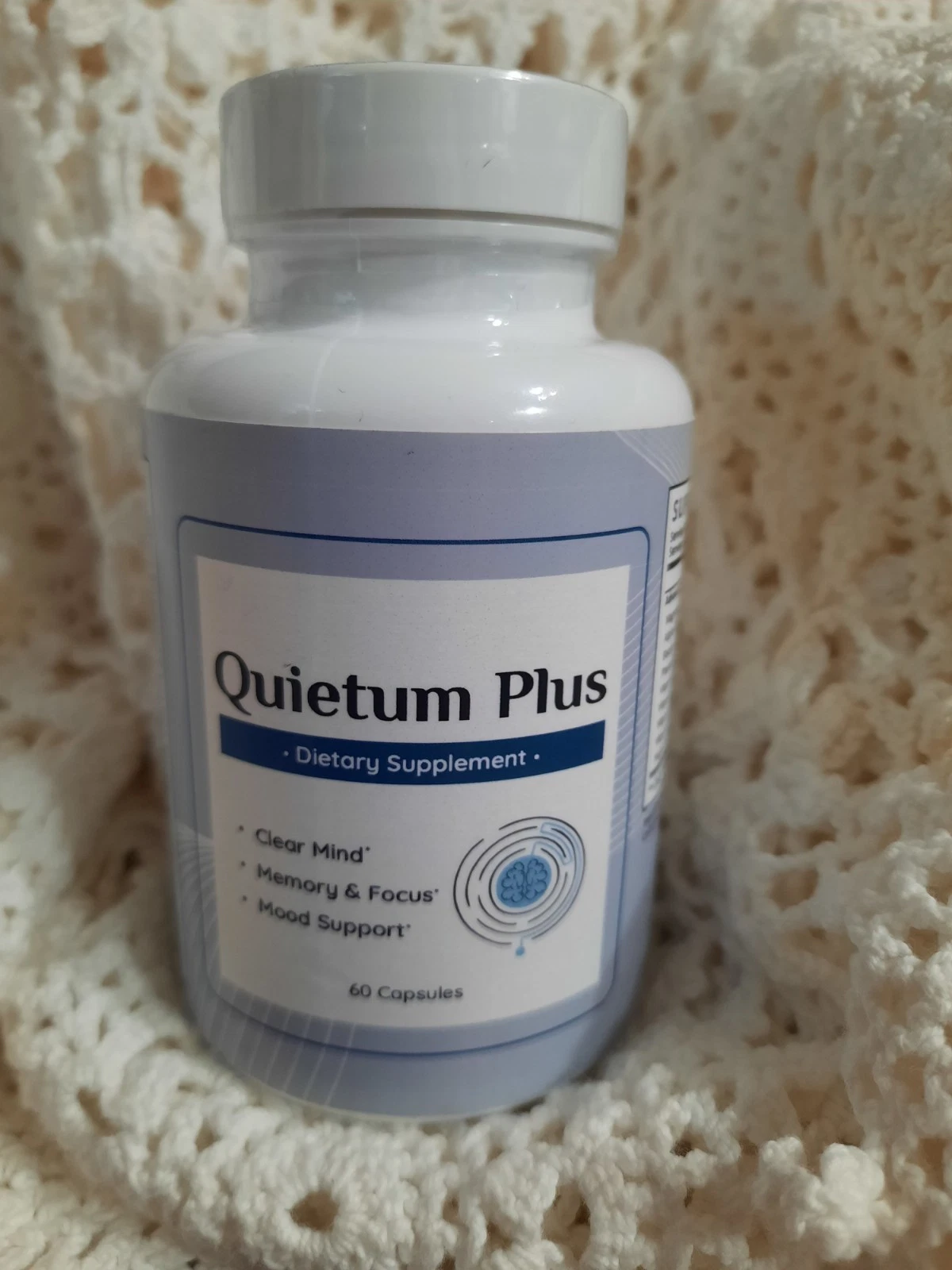
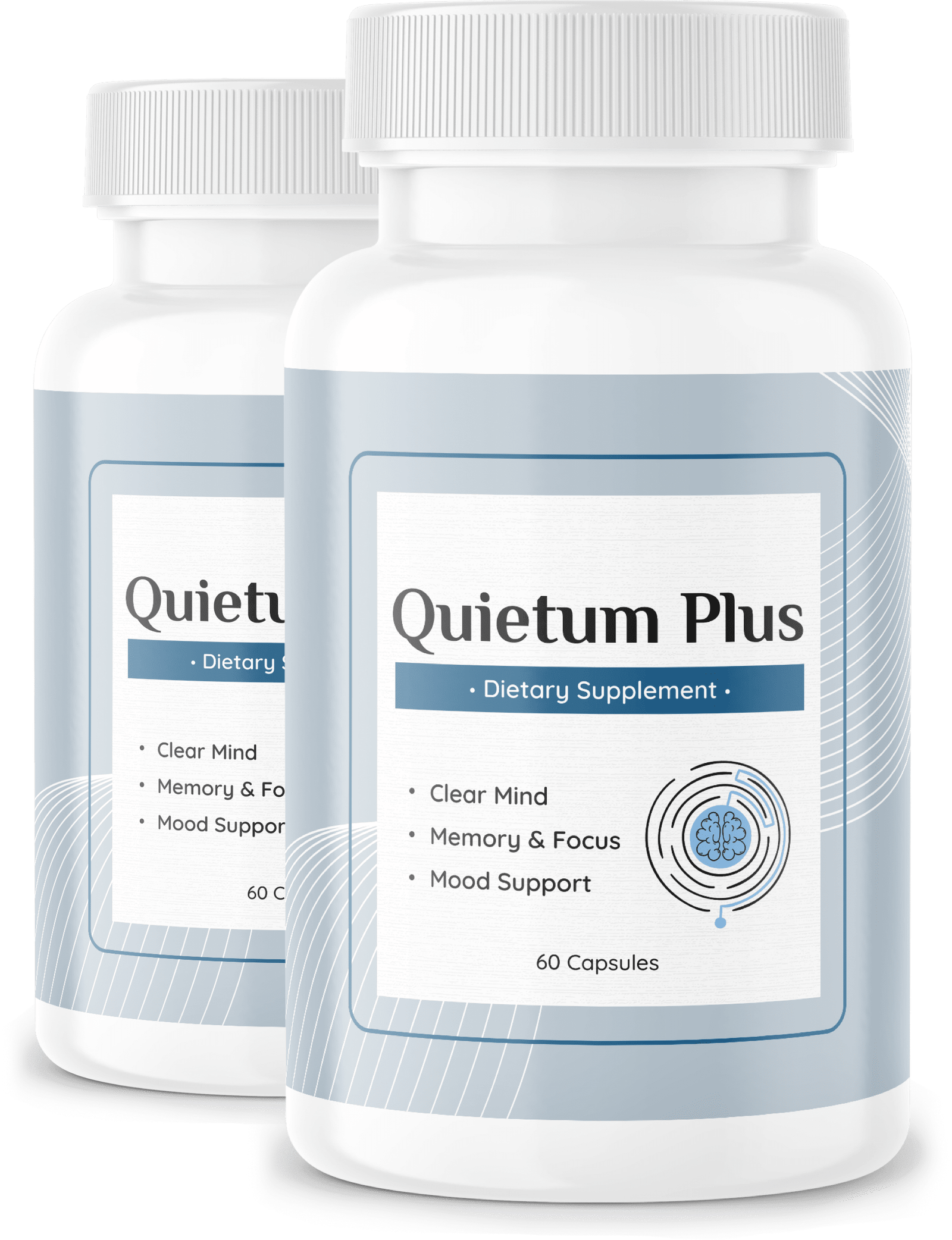
Persistent ringing, buzzing, or humming in the ears can make ordinary activities surprisingly exhausting. Whether someone is trying to concentrate at work, enjoy a conversation, or relax before bedtime, unwanted ear noise can interfere with daily comfort. That frustration explains the growing interest in hearing-support supplements such as Quietum Plus, which combines botanical extracts, vitamins, minerals, and amino acids in a convenient capsule formula.
What caught my attention about Quietum Plus was its approach to hearing wellness. Rather than focusing on a single vitamin, the product brings together ingredients traditionally associated with circulation, stress management, nutritional support, and general vitality. Its marketing presents these properties as complementary ways to support ear health and the brain’s response to everyday stress.
This is my detailed, research-based review of what I discovered about Quietum Plus, including its claimed results, ingredients, possible side effects, dosage, customer concerns, and whether it deserves to be considered legitimate. I examined the available ingredient research, independent tinnitus guidance, and practical purchasing considerations without claiming to have personally tested the supplement.
My goal is to explain where this formula has genuine appeal, where expectations should remain realistic, and what consumers should understand before placing an order.
Quietum Plus Product Overview
Before exploring individual ingredients, I find it helpful to examine the supplement’s main characteristics. The following overview separates the product information provided for this review from details that consumers should confirm on the current packaging.
| Product Detail | Information |
|---|---|
| Product Name | Quietum Plus |
| Product Category | Herbal dietary supplement |
| Primary Purpose | Marketed to support healthy hearing, ear wellness, and general neurological well-being |
| Supplement Format | Oral capsules |
| Highlighted Ingredients | Mucuna pruriens, maca, epimedium, tribulus, dong quai, muira puama, ginger, catuaba, damiana, ashwagandha, piperine, sarsaparilla, asparagus, vitamins A and B, zinc, L-tyrosine, and L-arginine |
| Recommended Dosage | 2 capsules daily, according to the supplied instructions |
| Proposed Benefits | Nutritional support, antioxidant activity, stress management, and general wellness |
| Intended Users | Adults interested in complementary nutritional support for hearing-related wellness |
| Current Pricing | Check the official product website for available packages and current offers |
| Money-Back Guarantee | Advertised 60-day money-back guarantee; applicable terms should be confirmed before ordering |
| Overall Editorial Rating | 4.2/5 — ★★★★☆ |
| Official Website | ✅ Click Here |
My 4.2/5 assessment reflects the formula’s breadth, convenience, and proposed nutritional benefits. It is an editorial product score, not a verified clinical effectiveness rating or an average of customer reviews.
What Is Quietum Plus?
Quietum Plus is a dietary supplement marketed toward adults interested in maintaining healthy hearing and supporting overall ear-related wellness. Its central concept is that nutrition, antioxidant activity, circulation, and neurological well-being may contribute to the body’s ability to maintain normal physiological functions.
Unlike hearing aids or prescription treatments, Quietum Plus does not directly amplify sound or medically correct an underlying hearing disorder. Instead, its formula supplies botanical compounds and essential nutrients associated with several aspects of general health.
The combination is particularly interesting because it includes ingredients such as ashwagandha, ginger, zinc, and L-arginine alongside traditional herbal extracts. These ingredients have different nutritional and physiological properties, although their inclusion does not establish that the combined product improves hearing or reduces tinnitus.
One important detail emerged during my research: historical Quietum Plus descriptions have listed different ingredient combinations. Therefore, I recommend comparing the Supplement Facts panel on the actual bottle with the ingredients discussed here before purchasing. The current label should always take precedence over older promotional descriptions.
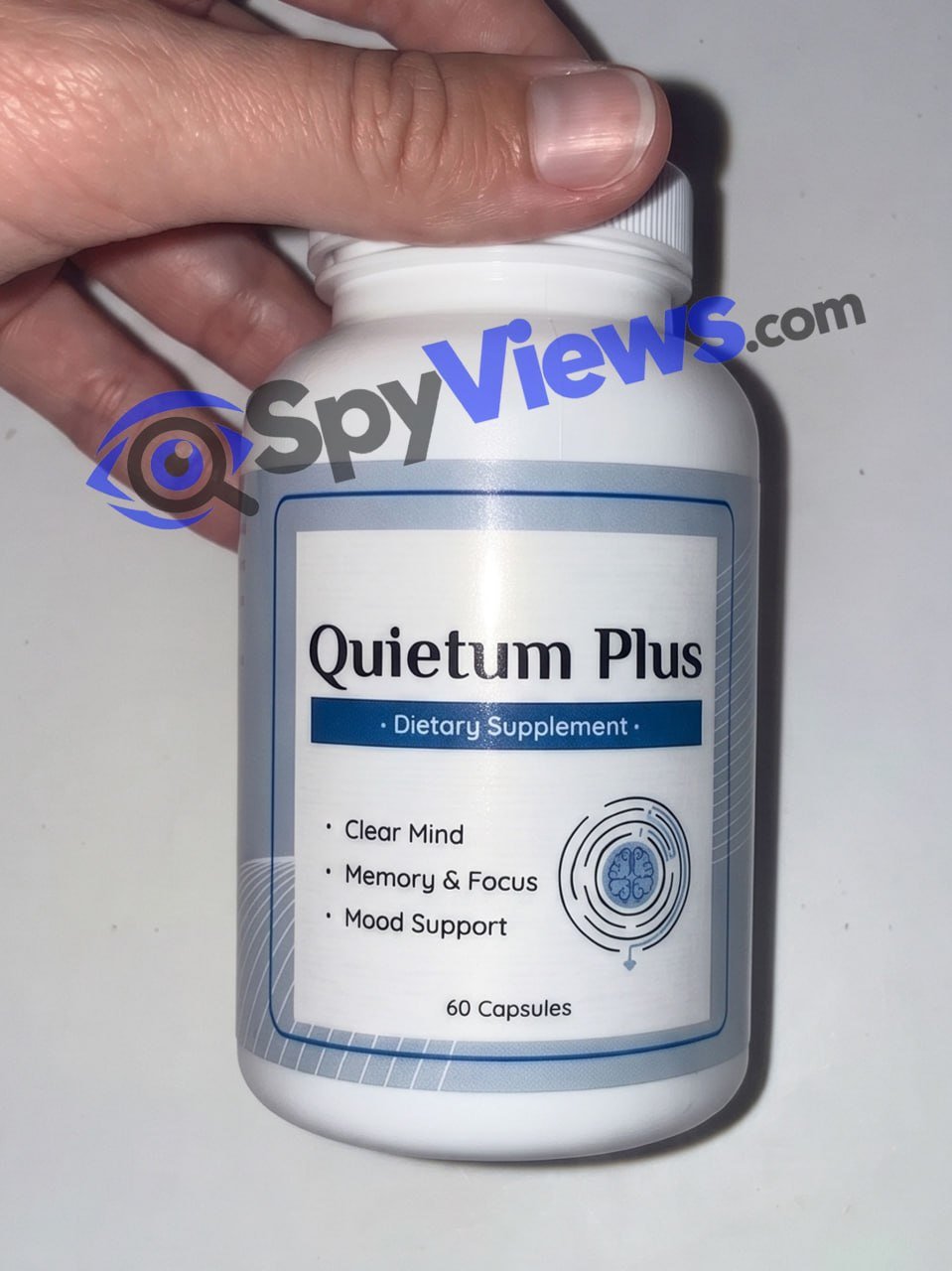
How Quietum Plus Is Designed to Work
The theory behind Quietum Plus involves supporting several biological functions that may contribute to general wellness.
One proposed pathway is antioxidant support. Cells throughout the body experience oxidative stress, and certain plant compounds can participate in antioxidant processes. Ingredients such as ginger contain naturally occurring phytochemicals studied for these properties.
Another proposed pathway involves circulation and nutrient availability. L-arginine participates in nitric oxide production, which helps regulate blood vessel function. Meanwhile, zinc and several B vitamins contribute to normal cellular metabolism and neurological processes.
The formula also includes adaptogenic herbs such as ashwagandha, which has been investigated for stress and sleep-related outcomes. This is relevant because stress can influence how distressing tinnitus feels, even when the underlying sound remains unchanged.
However, these mechanisms have not been established as evidence that Quietum Plus reverses hearing loss or treats tinnitus. The product is best understood as a general nutritional supplement rather than a replacement for clinical hearing care.
Quietum Plus Ingredients: A Closer Examination
The ingredient selection is among the most distinctive aspects of this supplement. I examined the highlighted components according to their traditional applications, known biological properties, and relevance to general wellness.
The descriptions below cover the ingredients supplied for this review, rather than an independently verified complete Supplement Facts label.
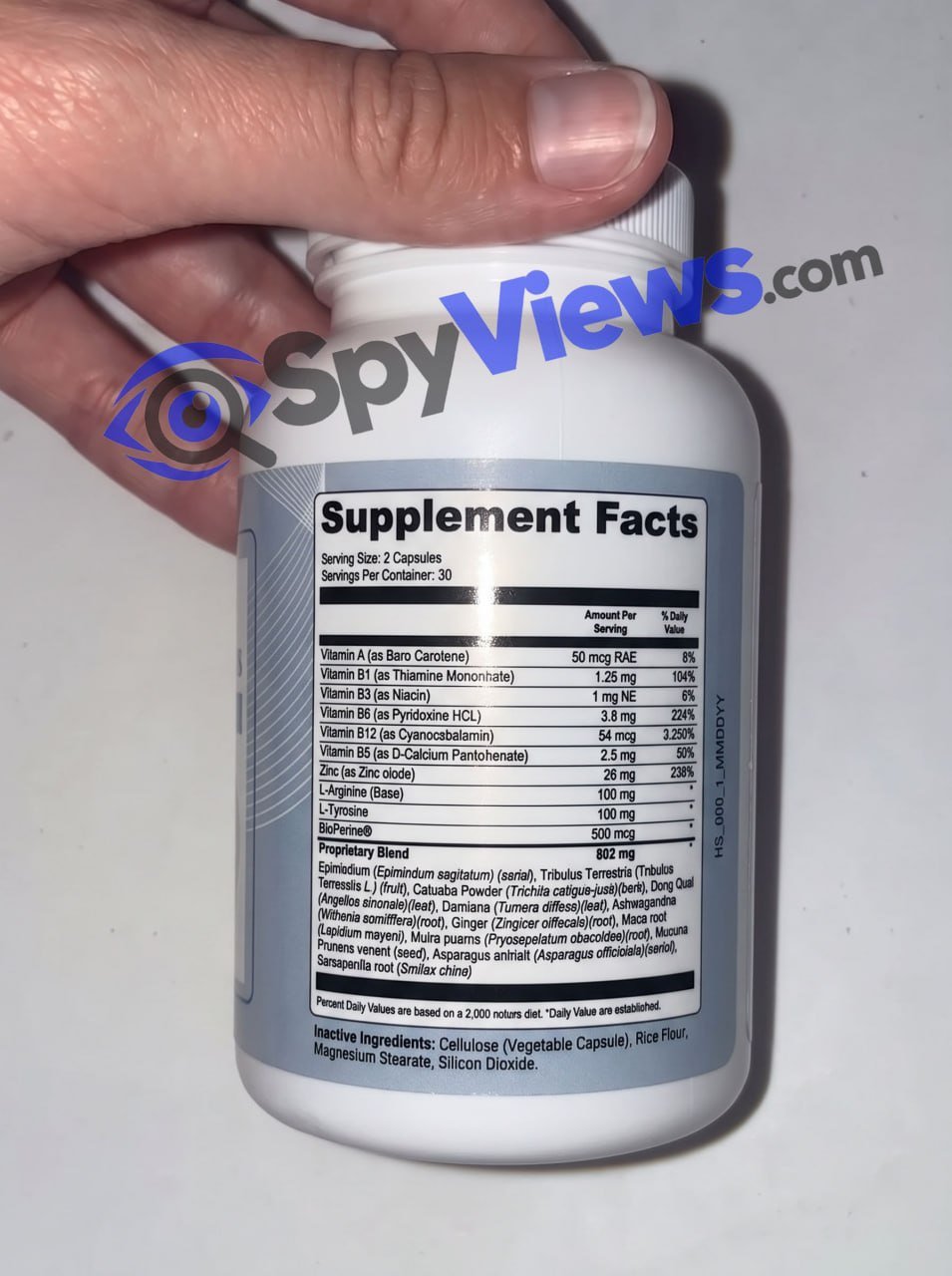
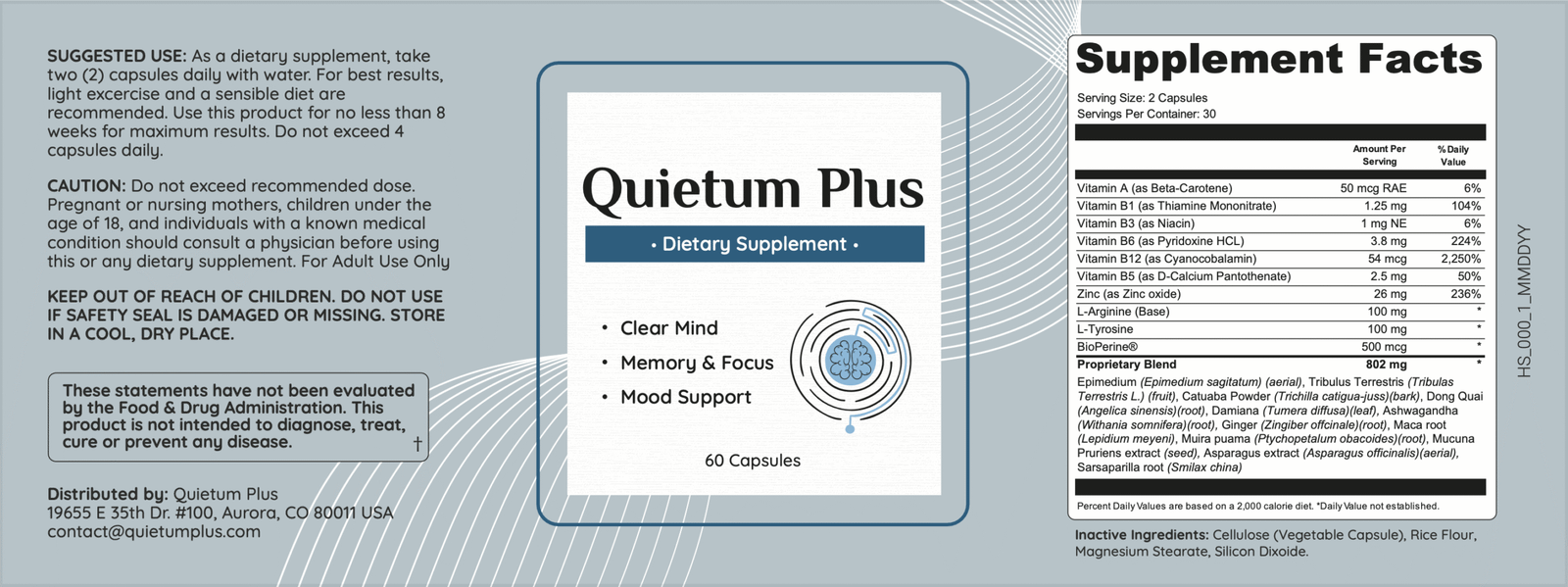
🍃 Mucuna Pruriens & Maca Root
Mucuna pruriens contains naturally occurring L-DOPA, a precursor involved in dopamine production. This makes it biologically active rather than simply a conventional nutritional herb. Its effects depend on preparation and dosage, and dopamine-related activity raises important medication-interaction considerations.
Maca root is a Peruvian plant traditionally used for vitality and physical well-being. Some research has investigated its effects on mood and sexual wellness, but neither maca nor mucuna has convincing clinical evidence for improving hearing or eliminating tinnitus.
🍃 Epimedium & Tribulus Terrestris
Epimedium contains compounds such as icariin that have attracted research interest for vascular and cellular signaling effects. Most proposed benefits relevant to circulation remain preliminary, particularly when applied to hearing wellness.
Tribulus terrestris is commonly included in supplements targeting vitality and physical performance. Its traditional reputation is broader than the available clinical evidence, and its presence should not be interpreted as proof of auditory benefits.
🍃 Dong Quai
Dong quai has a long history in traditional Chinese herbal practices, especially in products marketed for women’s wellness and circulation. It contains several plant compounds investigated for potential biological activity.
Its relevance to hearing support remains indirect. I would also exercise caution because dong quai may increase bleeding concerns when combined with anticoagulant or antiplatelet medications.
🍃 Muira Puama & Ginger
Muira puama is traditionally associated with vitality and nervous-system wellness, although reliable human clinical research remains limited. Its inclusion contributes to the formula’s traditional botanical positioning.
Ginger has a more established research history, particularly for nausea and certain digestive complaints. Its gingerols and related compounds have antioxidant and anti-inflammatory properties, making ginger one of the more recognizable botanical components.
🍃 Catuaba Powder & Damiana
Catuaba refers to botanical preparations traditionally used in Brazilian herbal medicine. The exact plant species and extract preparation can influence its chemical composition, making precise product labeling important.
Damiana has likewise been used traditionally for mood and vitality. Both ingredients contribute to the supplement’s broad herbal profile, but evidence supporting specific hearing-related benefits is insufficient.
🍃 Ashwagandha & Piperine
Ashwagandha is one of the formula’s more interesting ingredients because human studies suggest certain preparations may support stress management and sleep quality. Better stress management may be valuable to people who experience greater tinnitus-related distress during stressful periods.
Piperine, a compound found in black pepper, is sometimes used to influence the absorption of other substances. However, its effects vary, and it may also alter medication exposure. The presence of piperine does not automatically establish improved absorption of the entire formula.
🍃 Sarsaparilla Root & Asparagus
Sarsaparilla root contains plant compounds historically associated with traditional tonics and general wellness preparations. Its direct effects on hearing have not been convincingly established through clinical trials.
Asparagus contains nutritional compounds and naturally occurring antioxidants. While asparagus has dietary value, research involving foods cannot automatically establish the effectiveness of concentrated supplement ingredients.
🍃 Vit. A, Vit. B & Zinc
Vitamin A contributes to normal cellular differentiation and immune function. B vitamins perform essential roles in energy metabolism and nervous-system function, although the specific B vitamins and their quantities should be verified from the bottle.
Zinc supports numerous enzymes, immune function, and normal cellular processes. Correcting a deficiency is beneficial for health, but clinical reviews have not demonstrated that routine zinc supplementation reliably improves tinnitus. Excessive intake of vitamin A or zinc can also cause harm.
🍃 L-Tyrosine & L-Arginine
L-tyrosine is an amino acid involved in producing dopamine, norepinephrine, and thyroid hormones. Research has explored its possible role in cognitive performance under stressful conditions, although results cannot be generalized to hearing improvement.
L-arginine helps the body produce nitric oxide, a molecule involved in vascular signaling. Its inclusion fits the formula’s circulation-oriented concept, but direct evidence that oral L-arginine improves tinnitus outcomes remains insufficient.
Six Potential Benefits of Quietum Plus
The appeal of Quietum Plus comes from combining several complementary nutritional approaches into one daily routine. I consider these six potential advantages useful for understanding the product’s positioning, while separating plausible ingredient functions from outcomes demonstrated in clinical trials.
⭐ 1. Nutritional Support for Normal Ear Function
Healthy hearing depends on functioning sensory cells, nerves, and supporting tissues. Essential nutrients, including certain vitamins and minerals, participate in processes that maintain normal cellular health.
Quietum Plus includes zinc and vitamins that contribute to these everyday physiological functions. This provides a reasonable nutritional rationale, particularly for people whose diets may not consistently meet their requirements. Nevertheless, additional nutrients do not necessarily improve hearing when deficiencies are absent.
⭐ 2. Antioxidant-Oriented Wellness Support
Oxidative stress is involved in numerous biological processes, including some pathways researchers investigate in relation to aging and sensory-cell damage.
Botanical compounds found in ginger and other plants may contribute antioxidant activity. I appreciate the formula’s inclusion of recognizable plant sources, although antioxidant effects observed in laboratory studies do not establish clinical protection against hearing loss.
⭐ 3. Stress and Relaxation Support
Stress can make persistent ear noise feel more intrusive, particularly during quiet evenings or demanding workdays. Supporting general stress management may therefore be meaningful for overall comfort.
Ashwagandha gives Quietum Plus an ingredient with some human evidence for stress-related benefits. Any such effect should be distinguished from directly reducing the loudness or biological cause of tinnitus.
⭐ 4. Support for Normal Circulatory Processes
Normal circulation supplies oxygen and nutrients to tissues throughout the body. L-arginine participates in nitric oxide production, while certain botanical ingredients have been investigated for vascular effects.
This combination gives the supplement a circulation-oriented nutritional profile. However, improved blood flow within the auditory system has not been demonstrated from taking this particular product.
⭐ 5. General Brain and Nervous-System Nutrition
Hearing involves more than the ears. The brain interprets incoming auditory signals, making normal neurological function essential to everyday listening.
B vitamins, zinc, and amino acids support different aspects of cellular and nervous-system metabolism. I consider this broader nutritional positioning a practical feature, provided consumers understand that supporting normal neurological function is not equivalent to treating auditory nerve damage.
⭐ 6. Convenient Multi-Ingredient Supplementation
One practical advantage is the ability to obtain several highlighted botanical and nutritional ingredients through a single supplement rather than purchasing numerous individual products.
The two-capsule daily format may appeal to adults who prefer a straightforward routine. Convenience is a legitimate product strength, although combining more ingredients also increases the importance of reviewing sensitivities, existing supplements, and medications.
What Does Scientific Research Say About Quietum Plus?
My investigation found a meaningful distinction between research on individual ingredients and clinical research on the finished supplement.
Ashwagandha has some human evidence for stress and sleep outcomes. Zinc is an established essential nutrient, while L-arginine participates in recognized vascular pathways. These are legitimate areas of scientific investigation.
However, independent tinnitus organizations have not identified convincing published clinical trials establishing that Quietum Plus itself treats tinnitus. Tinnitus UK’s product assessment also documented concerns about changing ingredient descriptions and the absence of relevant finished-product evidence.
Importantly, updated clinical guidance published in 2026 recommends against dietary supplements as a primary treatment for persistent, bothersome tinnitus. The National Institute on Deafness and Other Communication Disorders similarly explains that supplements promoted for tinnitus have not been proven effective.
My interpretation: Quietum Plus has a nutritionally interesting formulation, but its hearing-related marketing should not be confused with clinically demonstrated treatment benefits. This distinction is essential when evaluating any hearing-support supplement.
Quietum Plus Compared With Typical Hearing Supplements
Different hearing-wellness supplements take noticeably different approaches. Some concentrate on individual vitamins or minerals, while others use botanical combinations intended to address multiple wellness concerns.


| Comparison Factor | Quietum Plus | Typical Hearing-Support Supplement |
|---|---|---|
| Formula Approach | Broad combination of herbs, vitamins, minerals, and amino acids | May emphasize selected nutrients or a narrower botanical blend |
| Wellness Focus | Hearing-related wellness, stress, circulation, and general neurological nutrition | Often focuses on nutritional maintenance or selected antioxidant ingredients |
| Convenience | Two capsules daily according to supplied directions | Dosage and capsule requirements vary |
| Ingredient Diversity | Multiple botanical traditions represented | Depends on the product and manufacturer |
| Label Transparency | Exact current formula should be checked because historical descriptions differ | Varies; some provide standardized extracts and detailed labeling |
| Clinical Evidence | No convincing independent finished-product hearing trial identified | Also varies; category-wide tinnitus treatment evidence is weak |
| Purchase Protection | Advertised 60-day guarantee, subject to terms | Refund policies differ considerably |
| Consumer Value | Broad formula may appeal to buyers seeking several wellness ingredients together | Narrower formulas may suit buyers seeking specific nutrients |
I find Quietum Plus more distinctive in botanical diversity than a basic single-nutrient supplement. That does not make it clinically superior, but it helps explain its appeal to consumers interested in a broader wellness approach.
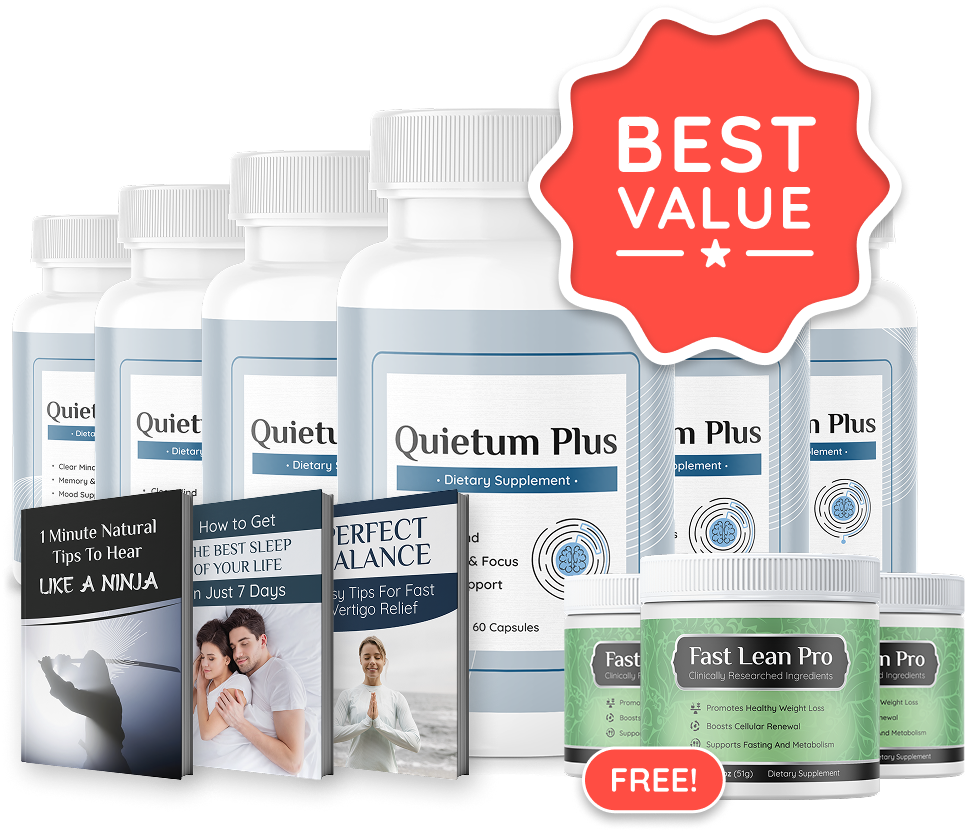
Quietum Plus Bonuses

My Quietum Plus Rating: 4.2/5
After examining the ingredient profile, convenience, advertised purchase protection, and research limitations, I assign Quietum Plus an overall editorial rating of 4.2 out of 5.
Overall Rating: 4.2/5 — ★★★★☆
| Evaluation Category | Score | My Assessment |
|---|---|---|
| Ingredient Variety | 4.5/5 — ★★★★½ | Extensive combination of botanical and nutritional ingredients with different traditional applications |
| Wellness-Oriented Formulation | 4.3/5 — ★★★★☆ | Integrates nutritional, stress-related, and circulation-oriented concepts |
| Ease of Use | 4.5/5 — ★★★★½ | Convenient two-capsule daily format |
| Consumer Protection | 4.2/5 — ★★★★☆ | Advertised refund window provides a useful purchasing consideration |
| Product Information | 3.9/5 — ★★★★☆ | Historical ingredient-list discrepancies make label verification important |
| Overall Editorial Score | 4.2/5 — ★★★★☆ | Favorable assessment of product design and convenience, not demonstrated tinnitus effectiveness |
This rating reflects how I assess Quietum Plus as a consumer wellness product. It should not be interpreted as evidence that more than four out of five customers experience hearing improvement.
How to Take Quietum Plus
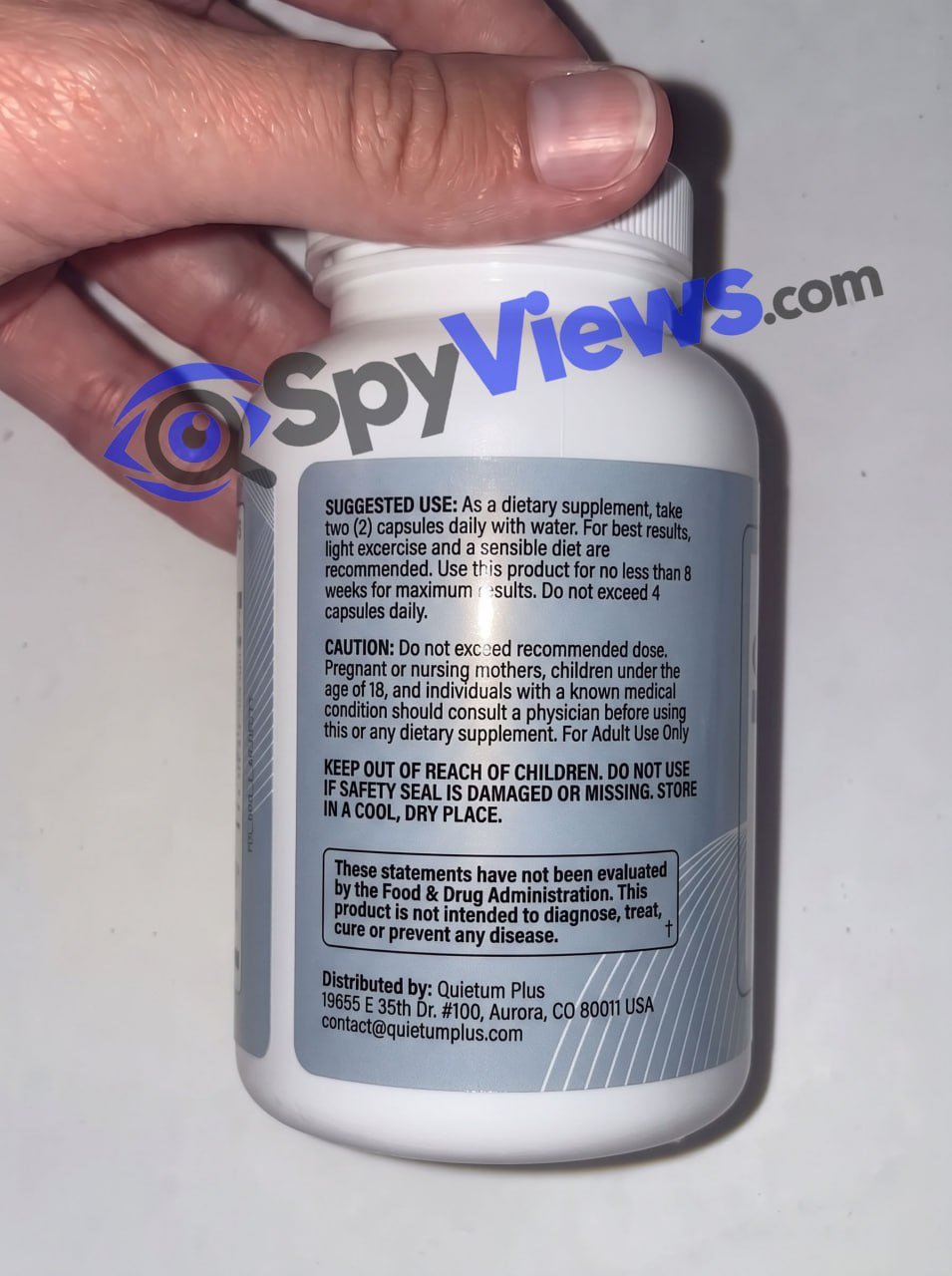
The provided usage instructions specify two capsules per day. I recommend following the directions printed on the current product label and avoiding additional capsules in an attempt to accelerate results.
Before beginning, compare the Supplement Facts panel with any other vitamins, herbal supplements, or medications you currently use. This is particularly important because the formula combines biologically active plant extracts with vitamins and amino acids.
There is no clinically established timeline for hearing improvement from Quietum Plus. Anyone experiencing persistent ringing or hearing changes should arrange an appropriate hearing assessment rather than delaying care while testing a supplement.
Quietum Plus Pros and Cons
| Advantages | Considerations |
|---|---|
| Broad ingredient selection: Combines botanical extracts, essential nutrients, and amino acids associated with different wellness functions. | Limited product-specific research: Independent trials have not established that the complete formula improves hearing or treats tinnitus. |
| Convenient daily routine: Two capsules make supplementation relatively straightforward. | Ingredient complexity: Multiple herbal substances can complicate medication-interaction and sensitivity assessments. |
| Stress-support potential: Includes ashwagandha, an ingredient studied for certain stress and sleep outcomes. | Formula verification: Different historical ingredient descriptions make checking the current label especially important. |
| Nutritional emphasis: Contains vitamins and zinc involved in normal physiological processes. | Variable individual responses: Benefits depend on personal circumstances, nutritional needs, and ingredient tolerability. |
| Advertised refund protection: A 60-day guarantee offers a defined period for requesting a refund under applicable conditions. | Not a medical treatment: Cannot replace evaluation or evidence-based management of hearing loss and tinnitus. |
For me, the strongest attractions are formulation breadth and convenience. The main drawbacks concern the difference between general wellness potential and substantiated hearing-related outcomes.
Possible Side Effects and Drawbacks
Although Quietum Plus is positioned as a natural supplement, natural ingredients can still cause adverse reactions.
Ginger, zinc, and certain herbs may contribute to digestive discomfort, nausea, or loose stools. Ashwagandha can produce drowsiness or gastrointestinal symptoms, while rare liver-injury reports have been associated with some ashwagandha preparations.
Mucuna pruriens introduces additional considerations because of its L-DOPA content. Some people may experience effects related to dopamine activity, depending on the preparation and amount consumed.
The actual risk depends on the complete formulation, ingredient quantities, individual health conditions, and concurrent medications. I would discontinue use and seek medical guidance if significant or unexpected symptoms developed.
Is Quietum Plus Safe?
My assessment is that Quietum Plus requires the same careful consideration as any multi-ingredient herbal supplement.
Its ingredients are not automatically safe for everyone, particularly because several have biologically active properties. The available information does not justify describing the complete formula as clinically proven safe for every consumer.
FDA regulation should not be confused with FDA approval. Dietary supplements generally do not receive FDA approval for safety and effectiveness before entering the market.
Consumers should also examine the label for allergens, serving quantities, warning statements, and manufacturer contact information. Pregnant or breastfeeding individuals should avoid using the product without appropriate professional advice.
Quietum Plus Medication Interactions
Medication compatibility deserves particular attention with this formulation.
Ashwagandha may interact with thyroid medications, sedatives, immunosuppressants, diabetes medications, and blood-pressure treatments. Dong quai and ginger may raise additional concerns for people using anticoagulants or antiplatelet medicines.
Mucuna pruriens can be problematic alongside medicines that influence dopamine pathways, while piperine may alter the metabolism or exposure of certain drugs. L-arginine may also contribute to blood-pressure effects.
Anyone taking prescription medication should consult a pharmacist or clinician before starting Quietum Plus. The presence of multiple active ingredients makes individualized interaction screening especially important.
Who Should Consider Quietum Plus?
The most suitable audience consists of adults who understand the product’s general wellness positioning and want to make an informed decision about complementary supplementation.
Who Should Use It
- Adults interested in nutritional wellness: People seeking a convenient combination of botanicals and nutrients may appreciate its broad formulation, provided the ingredients match their health needs.
- Consumers interested in stress-related support: Those attracted to ashwagandha’s researched stress-related properties may find the formulation interesting, while recognizing that this differs from treating tinnitus.
- Buyers who prefer capsule convenience: Adults comfortable with herbal supplements may appreciate a routine that does not involve preparing multiple separate products.
Who Should Avoid It
- Pregnant or breastfeeding individuals: Several highlighted botanicals have insufficient safety data or specific precautions for these populations.
- People taking interacting medications: Individuals using blood thinners, thyroid medications, sedatives, or dopamine-related treatments need professional review before use.
- People with relevant medical conditions: Liver disease, thyroid disorders, hormone-sensitive conditions, and other complex medical histories warrant individualized guidance.
- Anyone with sudden hearing loss: Sudden hearing deterioration requires urgent medical assessment, not experimentation with a dietary supplement.
What I Didn’t Like About Quietum Plus
Even with my favorable assessment of its overall wellness-oriented design, several concerns deserve attention.
- The hearing claims are broader than the clinical evidence. I would prefer to see properly controlled trials evaluating the complete formula against meaningful hearing and tinnitus outcomes.
- Historical ingredient discrepancies complicate evaluation. Earlier independent descriptions list ingredients different from those supplied for this review. Clear, consistent labeling helps consumers assess suitability.
- The combination requires careful interaction screening. Botanical diversity is appealing, but including multiple active substances makes safety decisions more complicated than with a simple vitamin supplement.
- The refund window requires planning. A 60-day guarantee can offer reassurance, but consumers should understand exactly when the eligibility period begins and how to submit a request.
These concerns do not eliminate the product’s appeal as a general wellness supplement. They do, however, influence how confidently I can recommend it for hearing-specific expectations.
Is Quietum Plus a Scam or Legit?
I would not automatically classify Quietum Plus as a scam simply because it is marketed for ear wellness. It is presented as a commercial supplement with identifiable ingredient descriptions and an advertised refund policy. Nevertheless, product availability and marketing claims do not establish effectiveness, and independent consumer complaints about outcomes and refunds deserve consideration. Buyers should verify the actual seller, complete label, contact information, and refund conditions before ordering.
My conclusion is that Quietum Plus should be evaluated as a supplement with potential general wellness applications rather than a proven tinnitus remedy. The ingredient selection has some scientifically recognizable elements, but the finished product’s hearing benefits remain unsubstantiated. Its legitimacy as a purchasable supplement and the validity of its medical-sounding marketing are separate questions.
Three Amazon Alternatives to Quietum Plus
For perspective, I also considered three products commonly associated with nutritional or tinnitus-support shopping categories. These serve different purposes, and their inclusion should not be interpreted as evidence of superior clinical performance. Current Amazon listings and seller availability can change.

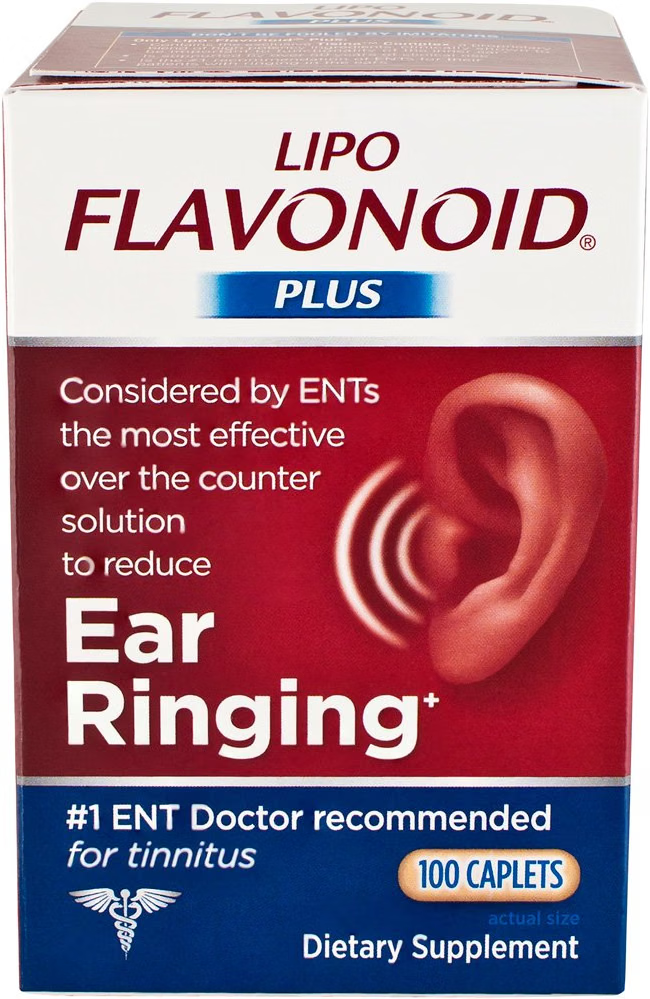
Lipo-Flavonoid Plus
Lipo-Flavonoid Plus is marketed specifically toward ear-health and tinnitus-support consumers. Its approach relies more heavily on selected vitamins and bioflavonoid-related ingredients than on the broad traditional botanical mixture associated with Quietum Plus.
It may appeal to buyers who prefer a more narrowly targeted formulation. However, tinnitus guidelines do not establish lipoflavonoid supplements as effective treatments.
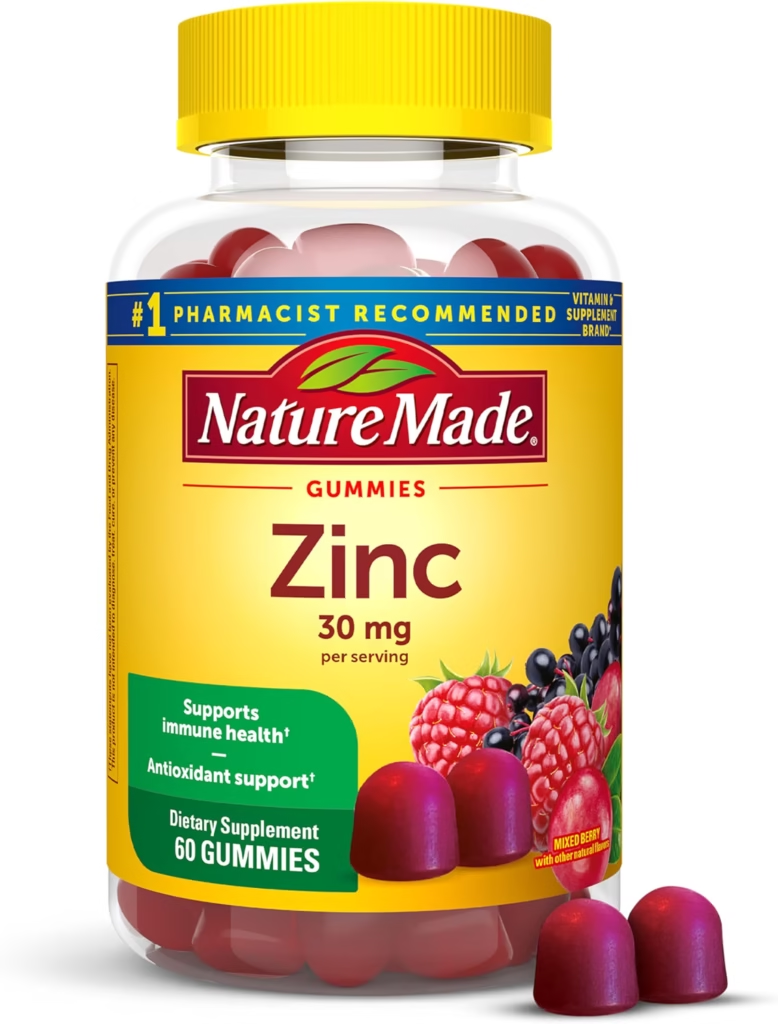
Nature Made Zinc
Nature Made offers zinc supplements intended to help consumers meet their nutritional requirements. Zinc is essential for normal immune function, cellular processes, and overall health, making it relevant when intake is inadequate.
Unlike Quietum Plus, a standalone zinc supplement does not provide a mixture of adaptogenic herbs and amino acids. Excessive zinc intake can cause adverse effects, so the correct amount matters.
Nature’s Way Ashwagandha
Nature’s Way offers ashwagandha supplements for consumers interested in botanical stress-related wellness. Ashwagandha has some research supporting selected stress and sleep outcomes.
This option focuses more directly on one herbal ingredient rather than multiple wellness pathways. It also retains important thyroid, liver, pregnancy, and medication-interaction precautions.
My preference remains Quietum Plus for an adult specifically seeking a broader multi-ingredient wellness formula and valuing the convenience of combined supplementation. I would not prefer it over evidence-based hearing care, however, or recommend it solely for the expectation of tinnitus relief.

Quietum Plus 60-Day Money-Back Guarantee
One purchasing feature I appreciate about Quietum Plus is its advertised 60-day money-back guarantee. A defined refund period gives customers an opportunity to review the product and make a purchasing decision with some additional protection.
However, the exact policy deserves careful reading. The supplied product details specify the duration but do not establish every requirement concerning opened bottles, return shipping, eligible orders, or refund processing.
I recommend confirming whether the 60-day period begins on the purchase date or delivery date, retaining the order confirmation, and reviewing the official seller’s written refund instructions before purchasing.
Do not assume that purchases through third-party marketplaces receive the same guarantee. Refund eligibility should be verified directly for the specific ordering channel.
Frequently Asked Questions About Quietum Plus
Q: Can Quietum Plus permanently cure tinnitus?
A: Quietum Plus has not been clinically demonstrated to cure tinnitus. Although its marketing emphasizes ear wellness, current clinical guidance does not recommend dietary supplements as primary treatment for persistent, bothersome tinnitus. People experiencing ongoing symptoms should seek appropriate assessment and consider established management options.
Q: Does Quietum Plus restore damaged hearing?
A: There is no convincing clinical evidence that this supplement regenerates damaged auditory hair cells or reverses established sensorineural hearing loss. Some ingredients support normal nutritional functions, but that should not be confused with restoring lost hearing. A hearing professional can determine whether hearing aids or other interventions may help.
Q: How many Quietum Plus capsules should I take daily?
A: The supplied recommendation is two capsules daily. Consumers should verify that instruction against their bottle label and avoid increasing the amount independently. Anyone managing a health condition or taking medication should request professional guidance before beginning supplementation.
Q: How long does Quietum Plus take to work?
A: There is no established clinical timeline for measurable hearing improvement from Quietum Plus. Ingredient-related effects on general wellness, where they occur, depend on the preparation, quantities, and individual characteristics. Claims promising hearing restoration within a specific period should be treated cautiously.
Q: Can I take Quietum Plus with other supplements?
A: Possibly, but combining products can increase exposure to overlapping vitamins, minerals, or herbal compounds. Particular attention should be paid to zinc, vitamin A, and botanicals with medication interactions. Reviewing all supplement labels with a pharmacist is sensible before combining them.
Q: Is Quietum Plus suitable for older adults?
A: Older adults may be interested in maintaining nutritional wellness, but age can also bring increased medication use and greater likelihood of hearing-related medical conditions. This makes ingredient interactions particularly relevant. I recommend discussing the formula with a clinician rather than assuming that an herbal supplement is suitable simply because it is marketed for hearing support.
Q: Is Quietum Plus available on Amazon?
A: Consumers may encounter listings or similarly named products online, but I could not verify an authorized Amazon sales channel for the current formula. Anyone purchasing should confirm the seller’s identity, current ingredient label, product authenticity, and refund protection instead of assuming all online listings are equivalent.
Q: Is Quietum Plus worth considering?
A: I consider Quietum Plus a potentially interesting option for adults seeking broad botanical and nutritional supplementation. Its convenience, ingredient diversity, and advertised purchase protection are attractive features. However, consumers whose main objective is treating tinnitus or hearing loss should prioritize medical evaluation because those outcomes have not been established for the product.
My Final Verdict on Quietum Plus
After examining the formulation, research, practical advantages, and consumer considerations, I believe Quietum Plus has a distinctive place among broad-spectrum wellness supplements. Its combination of traditional botanicals, vitamins, minerals, and amino acids offers greater formulation variety than a simple single-ingredient product. The convenient dosage and advertised 60-day refund policy also contribute to its appeal, supporting my overall editorial rating of 4.2/5 for product concept and general wellness positioning.
The greatest limitation is the absence of convincing independent clinical evidence demonstrating hearing improvement from the finished supplement. I also consider the differences between historical ingredient descriptions important enough to warrant checking the current label. Individuals with persistent tinnitus, hearing difficulties, or relevant medical conditions should not allow supplement marketing to delay appropriate assessment. Evidence-based treatments and professional guidance remain essential.
Ultimately, I see this product as an option worth investigating for adults who appreciate multi-ingredient nutritional support and understand its limitations. Its strongest selling points are convenience, formula diversity, and a broader wellness-oriented approach rather than a demonstrated ability to eliminate ear noise. Readers interested in reviewing the current ingredients, purchasing conditions, and available offers can visit the Quietum Plus official ordering page before deciding whether it suits their needs.
Disclaimer
This article is for informational purposes and does not constitute medical advice. Quietum Plus is a dietary supplement, not an approved treatment for tinnitus or hearing loss. Consult a qualified healthcare professional before use, especially if you take medication or have a medical condition.
Affiliate disclosure: This article contains affiliate links. I may earn a commission from qualifying purchases at no additional cost to you. The 4.2/5 score represents my editorial assessment, not independently verified clinical effectiveness.
References
- National Institute on Deafness and Other Communication Disorders (NIDCD). Tinnitus. Explains tinnitus symptoms, causes, established management approaches, and the lack of proven effectiveness for supplements promoted as tinnitus cures.https://www.nidcd.nih.gov/health/tinnitus
- American Academy of Otolaryngology–Head and Neck Surgery Foundation. Clinical Practice Guideline: Tinnitus Update (2026). Provides updated evidence-based recommendations concerning tinnitus evaluation and management, including a recommendation against dietary supplements as primary treatment for persistent, bothersome tinnitus.https://pubmed.ncbi.nlm.nih.gov/42861423/
- National Center for Complementary and Integrative Health (NCCIH). Ashwagandha: Usefulness and Safety. Reviews research into stress and sleep-related effects alongside gastrointestinal, thyroid, liver, pregnancy, and medication-interaction precautions.https://www.nccih.nih.gov/health/ashwagandha
- U.S. Food and Drug Administration (FDA). Questions and Answers on Dietary Supplements. Explains the regulatory framework for dietary supplements, manufacturing obligations, labeling, and why supplements generally do not receive FDA approval before marketing.https://www.fda.gov/food/information-consumers-using-dietary-supplements/questions-and-answers-dietary-supplements
- Tinnitus UK. Quietum Plus. Presents an independent assessment of the supplement’s historical ingredient claims, scientific evidence, potential adverse effects, and hearing-related marketing limitations. Its ingredient information reflects the version assessed at the time.https://tinnitus.org.uk/tinnitus-treatments/quietum-plus/