

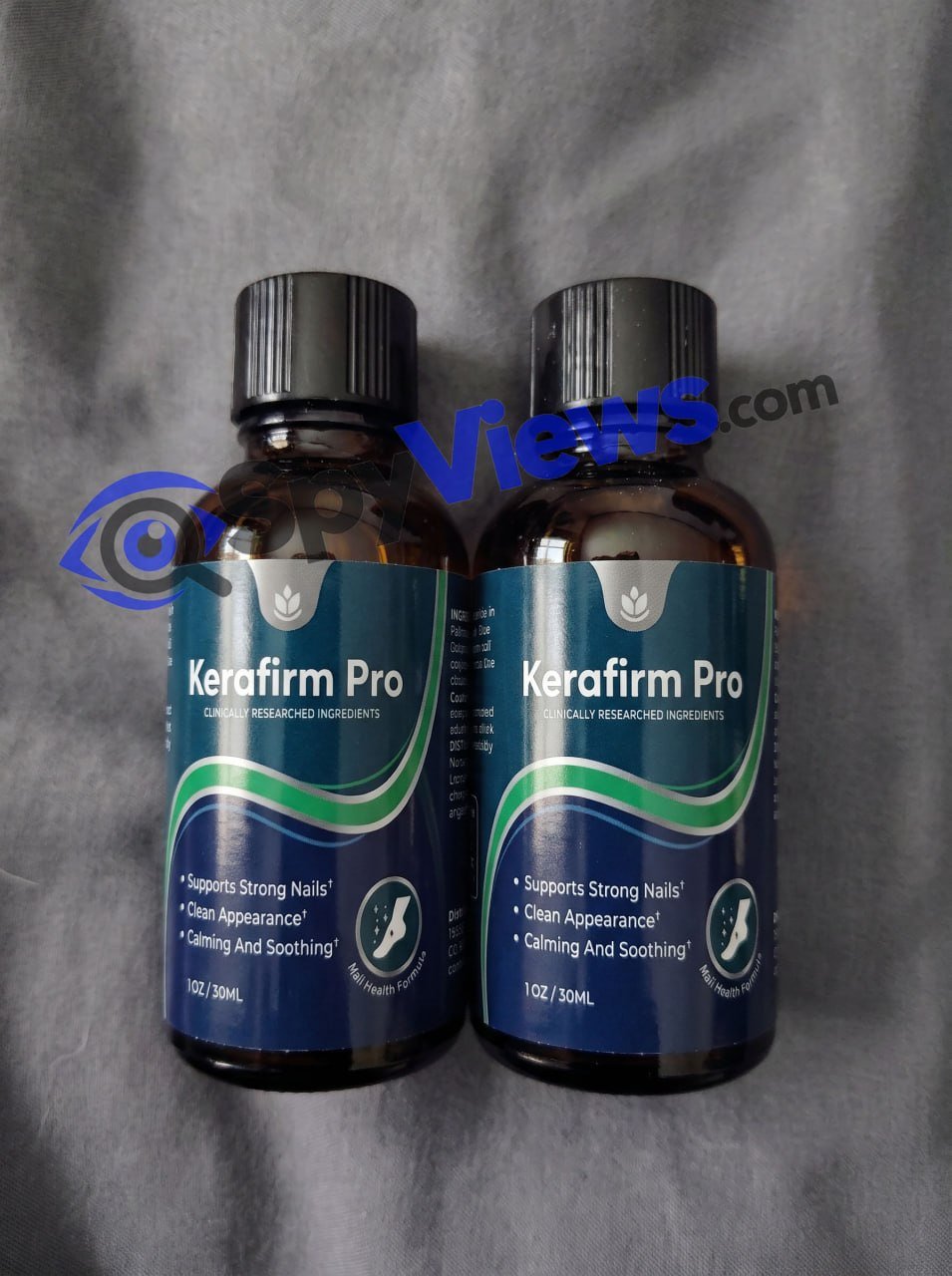
Toenail discoloration, thickened nail surfaces, and recurring changes in nail texture can be frustrating, especially when ordinary grooming products make little difference. Finding an appropriate solution becomes more complicated when a product promises to address fungus beneath the nail rather than simply improve its appearance. That distinction is what caught my attention when researching KeraFirm Pro, a brush-on formula combining undecylenic acid with botanical oils and skin-conditioning ingredients.
This is my detailed, research-based review of what I discovered about KeraFirm Pro, including its proposed results, ingredients, possible side effects, application instructions, and whether it appears to be a scam or legitimate product. I also examined the scientific evidence behind its formulation, compared it with established nail-care alternatives, and investigated its refund policy. My assessment is independent editorial research, not a claim that I personally tested the solution.
KeraFirm Pro Product Overview
Before examining the individual ingredients, I wanted to establish what the product offers and which details consumers should verify before ordering.
| Product Detail | My Research Findings |
|---|---|
| Product Name | KeraFirm Pro |
| Category | Topical nail and cuticle care |
| Primary Purpose | Supports healthier-looking nails and conditions surrounding skin; marketed toward people concerned about fungal nail problems |
| Product Format | Brush-on liquid solution for external application |
| Highlighted Ingredients | Undecylenic acid, tea tree oil, clove bud oil, manuka oil, lavender oil, aloe vera, menthol, vitamin E, and additional botanical oils |
| Application Instructions | Four daily applications: twice in the morning and twice in the afternoon |
| Applicator | Precision brush for nails and cotton swab for cuticles |
| Evidence Status | Ingredient-level research exists; finished-product clinical effectiveness remains unverified |
| Pricing | Current package options and purchase terms should be confirmed at checkout |
| Money-Back Guarantee | 60 days, subject to the seller’s documented return requirements |
| Overall Editorial Rating | 4.6/5 — ★★★★½ |
| Official Website | ✅ Click Here |
My overall impression is that the product has a practical application system and an interesting combination of cosmetic conditioning ingredients. Nevertheless, a favorable assessment of its design and consumer features should not be confused with clinical proof that it can eliminate an established toenail infection.
What Is KeraFirm Pro?
KeraFirm Pro is a topical nail-care solution developed for people concerned about discolored, brittle, rough, or unhealthy-looking toenails. Rather than requiring tablets or lengthy soaking sessions, it uses a brush applicator that allows the user to coat specific nails and reach the surrounding cuticle area.
The manufacturer’s central proposition is that fungal problems can develop beneath the nail, making surface-only care insufficient. Its formula combines undecylenic acid, an ingredient with established topical antifungal applications at appropriate concentrations, with aromatic botanical oils and emollients. However, the ability of this particular finished formula to penetrate infected nails and clear fungus has not been established by independently verified clinical trials.
I consider its most distinctive characteristics to be the precision applicator, combination of oil-based ingredients, and emphasis on consistent nail and cuticle care. It may interest adults seeking a cosmetic nail-maintenance product, but people with suspected onychomycosis, the medical term for fungal nail infection, should obtain an accurate diagnosis rather than relying exclusively on marketing descriptions.
How Does KeraFirm Pro Work?
The proposed action of KeraFirm Pro involves two separate processes: exposure of the nail surface to ingredients with potential antifungal properties and conditioning of the nail and surrounding skin. The brush helps distribute the liquid over the intended area, while the cotton swab allows more precise application around the cuticle.
Undecylenic acid and certain essential oils have demonstrated antifungal activity in laboratory research. Botanical carrier oils may also reduce dryness and improve the appearance of rough surfaces. However, a substance that inhibits fungal growth in a laboratory does not necessarily eradicate an infection beneath the human nail plate.
Nails present a significant delivery challenge because their dense keratin structure limits penetration. Even clinically established prescription treatments require prolonged use, and the visibly damaged portion must grow out before the nail can fully regain its appearance. I would therefore regard rapid, permanent fungal elimination claims with caution.
KeraFirm Pro Ingredients: My Examination of the Formula
The ingredient selection is one of the most interesting aspects of this product. KeraFirm Pro is promoted using a combination of aromatic oils, fatty-acid-based ingredients, and skin conditioners.
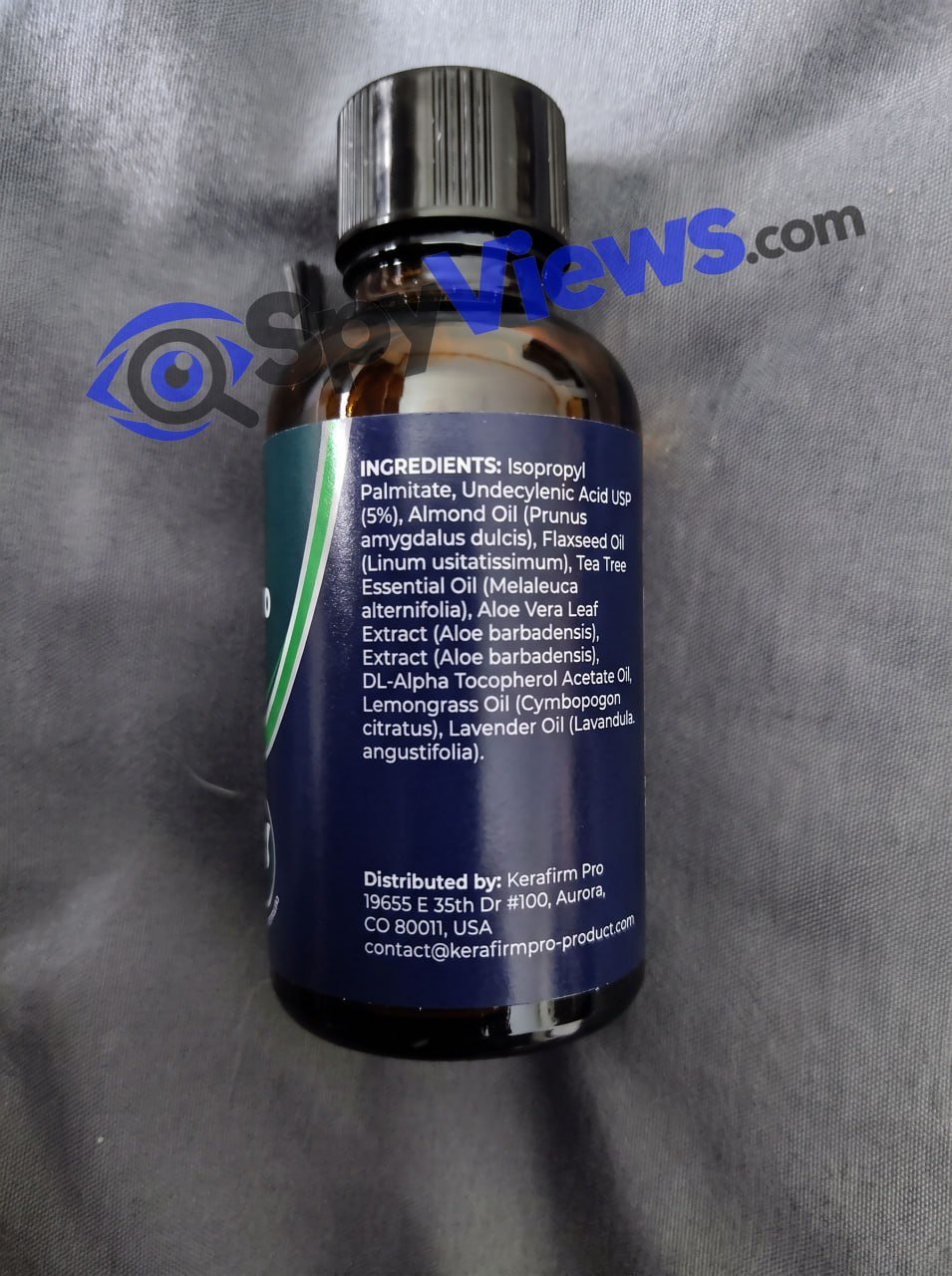
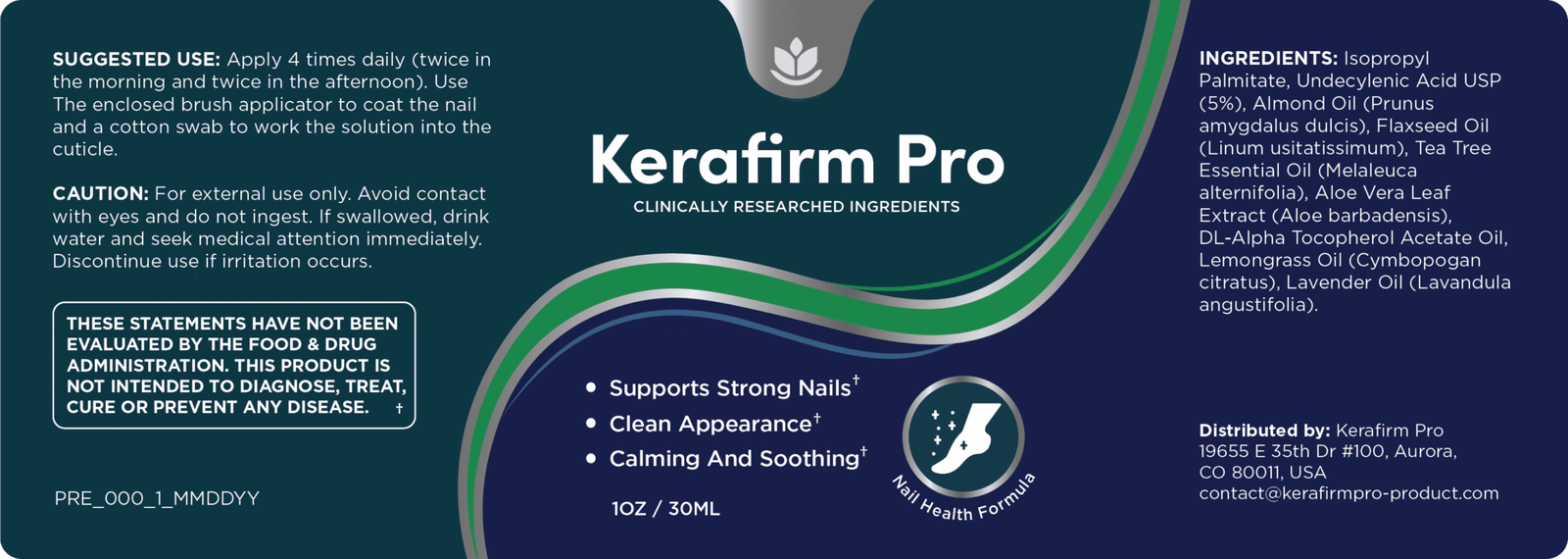
One important transparency point emerged during my research: some online product descriptions list all thirteen ingredients supplied for this review, while another published label transcription identifies a shorter formula containing 5% undecylenic acid and additional ingredients such as lemongrass oil and isopropyl palmitate. Buyers should verify the actual bottle label rather than assuming every promotional ingredient appears in their purchased formulation.
🍃 Clove Bud Oil
Clove bud oil contains eugenol, a naturally occurring compound studied for antimicrobial and antifungal properties. Laboratory findings suggest that eugenol can interfere with fungal cellular structures, although this does not demonstrate that clove oil cures fungal nail disease in humans.
Clove oil is also relatively potent and may irritate sensitive skin. Its inclusion is scientifically interesting, but I would not consider it a substitute for a clinically evaluated antifungal medicine.
🍃 Lavender Oil
Lavender oil is widely used in skincare for its fragrance and potential soothing properties. Some laboratory investigations suggest antimicrobial activity, but reliable clinical evidence supporting lavender oil as a standalone treatment for toenail fungus is limited.
Its practical contribution may be more relevant to the sensory experience of application and general skin care. Fragrance sensitivity remains a consideration, particularly when the formula is used repeatedly.
🍃 Manuka Oil
Manuka oil, derived from the New Zealand manuka plant, contains compounds investigated for antimicrobial activity. These findings provide a plausible reason for its appearance in botanical nail-care marketing.
However, antibacterial and antifungal laboratory activity should not be interpreted as proven treatment efficacy. The ingredient’s concentration, stability, and ability to reach organisms beneath the nail would all influence its actual usefulness.
🍃 Flaxseed Oil
Flaxseed oil contains fatty acids that make it useful as a skin-conditioning emollient. In topical preparations, such oils can help soften dry areas and reduce the rough sensation associated with neglected cuticles.
Although flaxseed oil is nutritionally associated with omega-3 fatty acids, those dietary benefits cannot automatically be transferred to nail application. Its clearest role here is cosmetic conditioning rather than documented fungal elimination.
🍃 Undecylenic Acid
Undecylenic acid deserves particular attention because it has a recognized history in topical antifungal products. The FDA’s over-the-counter antifungal monograph identifies undecylenates at specified concentrations for certain fungal skin conditions.
Some published KeraFirm Pro label descriptions indicate 5% undecylenic acid, whereas the FDA monograph specifies 10–25% total undecylenates for relevant monograph formulations. That difference deserves verification. Furthermore, regulatory recognition for treating fungal skin infections does not establish that this product treats infections inside toenails.
🍃 Tea Tree Oil
Tea tree oil is perhaps the most recognizable botanical ingredient associated with fungal skin care. Research has identified antimicrobial activity, and small clinical investigations have explored potential applications to fungal conditions.
The National Center for Complementary and Integrative Health reports that research on tea tree oil for fungal nail infections remains insufficient for firm conclusions. I appreciate its inclusion as a researched botanical, but it should not be presented as a clinically proven cure.
🍃 Sweet Almond Oil
Sweet almond oil is commonly included in skincare formulations because of its emollient properties. It may support softer cuticles and improve the appearance of dry skin surrounding damaged-looking nails.
Its role is primarily supportive, with no convincing clinical evidence that ordinary almond oil cures onychomycosis. Individuals with relevant almond or tree-nut sensitivities should confirm the ingredient label before application.
🍃 Camphor Oil
Camphor is frequently used in topical preparations because it produces a distinctive cooling or warming sensory effect. It may influence how the treated skin feels, but sensory effects are not proof of fungal clearance.
Camphor-containing products require careful use because excessive exposure or accidental ingestion can be harmful. I would pay particular attention to the actual concentration and avoid applying such formulas to damaged skin unless specifically directed by a healthcare professional.
🍃 Aloe Vera
Aloe vera is valued in cosmetic formulations for its moisturizing and skin-conditioning properties. It may help support comfort around dry cuticles, depending on the complete formula and an individual’s sensitivity.
Although various laboratory studies have investigated aloe compounds, evidence that topical aloe eliminates nail fungus is inadequate. Its most defensible contribution is helping maintain the surrounding skin’s condition.
🍃 Menthol
Menthol creates a cooling sensation by stimulating temperature-sensitive receptors in the skin. This may temporarily make an application feel refreshing, particularly when the surrounding area is uncomfortable.
Nevertheless, cooling is not equivalent to reducing inflammation or clearing fungal infection. Menthol may also cause burning or irritation in susceptible individuals, especially when combined with other aromatic ingredients.
🍃 Walnut Oil
Walnut oil provides lipids that may condition dry skin and improve surface softness. In a topical nail-care formulation, its plausible role resembles that of other carrier oils rather than a dedicated medical antifungal treatment.
There is insufficient evidence that walnut oil meaningfully clears fungal infections beneath nails. I would also check for allergy-related warnings, since botanical oils are not universally suitable for sensitive users.
🍃 Chia Seed Oil
Chia seed oil contains fatty acids and is increasingly used in cosmetic formulations emphasizing moisture retention and skin conditioning. Such properties could be helpful for maintaining comfortable-looking cuticles.
However, the existence of beneficial fatty acids does not demonstrate that chia oil strengthens the underlying nail matrix or eliminates infection. Its contribution is best understood as supportive cosmetic care.
🍃 Vitamin E
Vitamin E is a familiar antioxidant ingredient used to help maintain cosmetic formulations and condition skin. Certain vitamin E derivatives can also contribute to moisturizing products intended for dry or rough areas.
While vitamin E may complement an oil-based nail-care routine, the evidence does not establish that topical vitamin E alone reverses fungal nail disease. Its inclusion strengthens the formula’s cosmetic-conditioning rationale more than its medical-treatment credentials.
Six Potential KeraFirm Pro Benefits and Practical Features
The appeal of KeraFirm Pro extends beyond any one ingredient. I identified six features that could make it attractive to people seeking targeted nail maintenance, although their value depends on correct application, individual tolerance, and realistic expectations.
⭐ 1. Precision Application Without Excess Product
The enclosed brush makes it possible to concentrate the liquid on individual affected-looking nails instead of spreading a cream across the entire foot. This may improve convenience and help maintain a more controlled application routine.
Nevertheless, accurate surface coverage does not automatically produce deep penetration. The design provides practical application control, not guaranteed delivery to organisms inside the nail.
⭐ 2. Support for Clearer-Looking Nails
Conditioning oils may improve the appearance of dry, rough nail surfaces and contribute to a better-maintained look. For users whose concerns are partly cosmetic, this could be a meaningful advantage.
The distinction is that improved appearance does not necessarily indicate that an underlying fungal infection has cleared. Persistent discoloration or thickening warrants medical evaluation.
⭐ 3. Additional Attention to Cuticle Condition
The cotton-swab application method encourages users to care for the skin immediately surrounding their nails. Ingredients such as aloe vera, almond oil, and vitamin E may help soften dry cuticles when properly tolerated.
This complementary approach is appealing because neglected surrounding skin can make damaged-looking nails appear worse. It cannot, however, repair every cause of irritation or nail abnormality.
⭐ 4. A Topical Alternative to Swallowing Products
A brush-on liquid avoids the inconvenience of taking a pill and may appeal to consumers interested in external cosmetic care. It also avoids some of the systemic considerations associated with prescription oral antifungals.
That does not make it medically equivalent to oral therapy. Prescription medication has established indications and evidence that cannot be transferred to an untested cosmetic formula.
⭐ 5. Multiple Ingredients With Different Cosmetic Roles
The combination of aromatic oils, fatty-acid ingredients, and moisturizers provides a broader formulation concept than a product containing only a basic carrier oil. Individual components may contribute different conditioning or sensory effects.
However, a longer ingredient list is not automatically more effective. Concentrations, ingredient interactions, tolerability, and rigorous formulation testing ultimately determine usefulness.
⭐ 6. A Structured At-Home Maintenance Routine
The four-application schedule offers users a consistent process for attending to their nails throughout the day. People who prefer structured grooming routines may appreciate having clear instructions and a dedicated applicator.
On the other hand, four applications daily require commitment. Consistency is valuable, but it cannot overcome inadequate antifungal activity or an incorrectly diagnosed nail condition.
What Scientific Research Actually Supports
The strongest evidence relevant to KeraFirm Pro concerns specific ingredients and the broader science of fungal nail disease, not the complete commercial formula.
Undecylenic acid has demonstrated antifungal activity and appears within established OTC antifungal regulatory standards at qualifying concentrations. Tea tree oil also has documented laboratory activity, but the NIH’s NCCIH concludes that clinical research for fungal nail infections is too limited to establish effectiveness.
The American Academy of Dermatology identifies prescription topical medications, including efinaconazole and tavaborole, as treatment options for appropriate cases. Its guidance explains that nail penetration and extended treatment duration are critical considerations. Current professional recommendations also emphasize accurate diagnosis and selecting treatment according to infection severity.
I did not identify independently published, product-specific randomized clinical trials establishing that KeraFirm Pro eliminates toenail fungus, prevents recurrence, or outperforms approved medications. Ingredient plausibility supports further investigation, not a conclusion of clinical effectiveness. The scientific and regulatory references supporting this distinction appear at the end of this review.
KeraFirm Pro vs. Typical Nail-Care Competitors
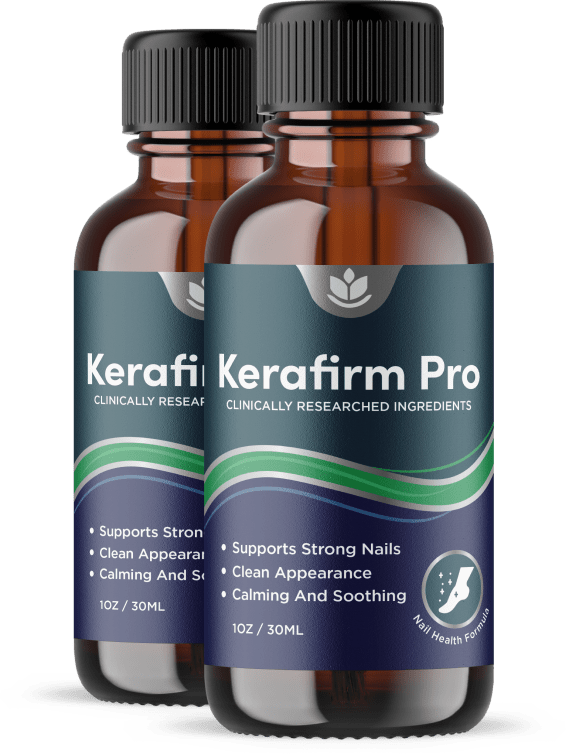
I compared KeraFirm Pro with ordinary nonprescription nail-care products rather than assuming that every topical solution has the same intended purpose.


| Comparison Factor | KeraFirm Pro | Typical OTC Nail-Care Product |
|---|---|---|
| Main Approach | Botanical conditioning with undecylenic acid | May prioritize exfoliation, moisturizing, or regulated antifungal skin treatment |
| Application | Targeted brush and cuticle swab | Brush, dropper, cream, or applicator tip |
| Formulation | Multiple promoted botanical oils | Varies from simple moisturizing formulas to products with established active ingredients |
| Daily Convenience | Four applications require planning | Some alternatives require fewer applications |
| Nail Appearance | Intended to support clearer, healthier-looking nails | Cosmetic alternatives may specifically target thickness, roughness, and discoloration |
| Clinical Evidence | Finished-product efficacy unverified | Some alternatives have product-specific studies or established regulatory indications |
| Ingredient Transparency | Promotional lists and published label descriptions should be reconciled | Depends on the individual brand and product label |
| Consumer Protection | Advertised 60-day refund arrangement | Marketplace returns and manufacturer policies vary |
| Value Consideration | Best judged by formulation, routine, and guarantee | Best judged by intended use, evidence, quantity, and convenience |
What stands out to me is the combination of a directed applicator and several potentially useful cosmetic ingredients. Still, a standard product with stronger clinical evidence may represent better value for someone seeking treatment of confirmed onychomycosis.
KeraFirm Pro Bonuses



My KeraFirm Pro Rating: 4.6/5
My assessment of KeraFirm Pro emphasizes its application design, ingredient rationale, cosmetic usefulness, and purchase protection. The score is an editorial product assessment, not a verified customer-average rating or a measured fungal cure rate.
Overall Editorial Rating: 4.6/5 — ★★★★½
| Assessment Category | Rating | My Evaluation |
|---|---|---|
| Application Design | ★★★★★ 4.9/5 | Controlled brush coverage and dedicated cuticle application |
| Cosmetic Ingredient Selection | ★★★★★ 4.8/5 | Several plausible conditioning ingredients with complementary roles |
| Routine Practicality | ★★★★½ 4.5/5 | Straightforward technique, although frequent application is demanding |
| Nail-Care Versatility | ★★★★½ 4.6/5 | Addresses surface appearance and surrounding skin care |
| Purchase Protection | ★★★★½ 4.6/5 | Useful return period, with procedural requirements |
| Product Transparency | ★★★★ 4.2/5 | Ingredient-list inconsistencies and limited finished-product evidence |
The favorable overall score reflects the product’s concept and consumer-oriented features. I would evaluate its ability to treat medically confirmed nail fungus separately, because the necessary clinical evidence is currently insufficient.
How to Use KeraFirm Pro Correctly
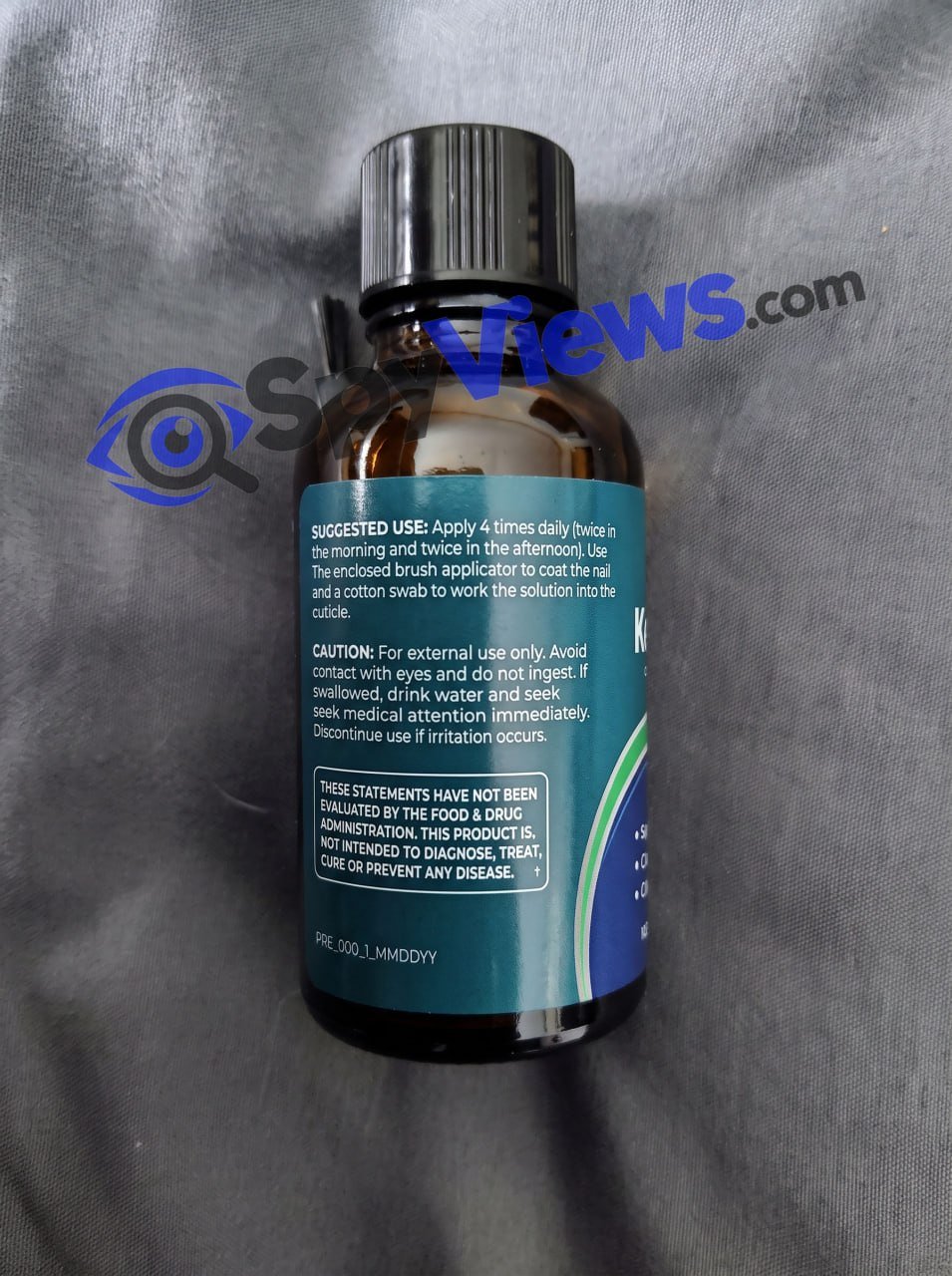
According to the supplied directions, KeraFirm Pro should be applied four times daily: twice in the morning and twice in the afternoon. The enclosed brush is used to coat the nail, while a cotton swab helps work the formula into the cuticle area.
I recommend confirming these instructions against the label on the actual bottle, since some promotional pages describe different application frequencies. Nails and surrounding skin should be clean and dry, and users should avoid the eyes, mouth, broken skin, and excessive application. Do not force an applicator beneath an attached nail or injure the cuticle.
The product instructions should never replace professional guidance for an established infection. Nail growth is slow, and changes in appearance cannot reliably confirm that fungal organisms have been eliminated.
KeraFirm Pro Pros and Cons
A balanced assessment of KeraFirm Pro reveals several practical strengths alongside limitations that deserve attention.
| Pros | Cons |
|---|---|
| Precision brush: Helps coat specific nails with controlled application. | Limited clinical verification: No independently confirmed finished-product efficacy trials identified. |
| Botanical conditioning: Multiple oils may support dry nail and cuticle appearance. | Frequent routine: Four daily applications may be inconvenient. |
| Undecylenic acid: Provides a scientifically recognizable antifungal ingredient, subject to formulation and concentration limitations. | Label clarification needed: Promotional ingredient descriptions are not entirely consistent. |
| External application: Does not require swallowing a supplement or tablet. | Possible sensitivity: Essential oils, menthol, and camphor may irritate susceptible skin. |
| Cuticle-focused technique: Encourages attention to surrounding skin rather than nail surfaces alone. | |
| 60-day protection: Offers a defined period for requesting a refund under the seller’s policy. |
For consumers primarily interested in cosmetic nail maintenance, I find the advantages meaningful. For individuals seeking a proven cure for onychomycosis, the evidence limitations carry substantially more weight.
Possible Side Effects and Drawbacks
Like other topical preparations containing aromatic oils, KeraFirm Pro may cause redness, itching, stinging, burning, dryness, or allergic contact dermatitis. Tea tree oil and fragrance-containing essential oils are recognized potential sensitizers, particularly when applied repeatedly.
Tree-nut-derived oils also justify additional caution for individuals with relevant allergies. Camphor and menthol may produce noticeable sensations that should not automatically be interpreted as therapeutic effects.
Another limitation is the risk of delaying appropriate treatment. A worsening fungal infection, painful nail, spreading redness, drainage, or significant nail separation requires medical attention rather than continued experimentation with cosmetic preparations.
Is KeraFirm Pro Safe?
I would describe KeraFirm Pro as a topical product that requires ordinary skincare precautions and careful ingredient screening. Natural ingredients are not automatically harmless, and the complete formulation’s clinical safety has not been independently established in the evidence I reviewed.
People with sensitive skin should seek professional advice about ingredient suitability, especially where multiple essential oils are involved. Avoid ingestion and eye exposure, and discontinue application if significant irritation develops.
Importantly, FDA registration of a manufacturing facility is not equivalent to FDA approval of the finished product. I found no basis for representing KeraFirm Pro as an FDA-approved treatment for fungal nail infection.
Medication Interactions and Skin Compatibility
Because KeraFirm Pro is applied externally, its interaction considerations differ from those of oral antifungal medications. Nevertheless, it would be inaccurate to claim that topical ingredients have absolutely no potential interactions or systemic exposure.
People using prescription nail lacquers, medicated creams, topical steroids, or other dermatological treatments should consult their pharmacist or clinician before combining products. Additional oils could alter application conditions, increase irritation, or interfere with an established treatment routine.
I would also avoid layering it over damaged skin or using it alongside aggressive exfoliating agents without professional guidance.
Who Should Consider KeraFirm Pro, and Who Should Avoid It?
The suitability of KeraFirm Pro depends primarily on the user’s goals, underlying nail condition, and sensitivity to its ingredients. I would distinguish cosmetic maintenance from medical treatment when deciding who might benefit.
- Adults interested in cosmetic nail maintenance: People concerned about dry cuticles, rough-looking nails, or general grooming may appreciate its targeted brush and conditioning formula.
- People comfortable with frequent application: The product may suit those able to maintain a four-times-daily routine without neglecting ordinary nail hygiene.
- Individuals with suspected fungal infections: These consumers should obtain an appropriate diagnosis before relying on the formula, since nail psoriasis, trauma, and other conditions can resemble fungal disease.
- People with diabetes, poor circulation, or reduced immunity: Professional guidance is particularly important because nail and foot infections may lead to complications.
- Individuals with botanical allergies or irritated skin: Those sensitive to essential oils, nuts, menthol, or camphor should avoid use until ingredient safety has been assessed.
- Pregnant or breastfeeding individuals and children: These groups should not assume suitability without advice from an appropriately qualified healthcare professional.
What I Didn’t Like About KeraFirm Pro
Despite my favorable assessment of its practical design, several concerns prevented me from treating KeraFirm Pro as an established medical antifungal solution.
- Unverified deep-nail penetration: Marketing emphasizes reaching fungal buildup beneath the nail, but I found no published product-specific penetration study proving that the formula reliably reaches therapeutic concentrations there.
- Inconsistent ingredient information: Different promotional descriptions do not fully match the published label transcription I located. Consumers deserve a clear, authoritative ingredient declaration.
- Demanding application frequency: Four daily applications may be manageable initially, but sustained adherence could prove difficult for busy users.
- Uncertain treatment effectiveness: Although some ingredients have laboratory support, the complete product lacks the independent clinical outcomes needed to substantiate fungal cure claims.
These weaknesses do not negate its possible cosmetic usefulness. They do, however, explain why I would not recommend replacing a prescribed antifungal treatment with this product without professional approval.
Is KeraFirm Pro a Scam or Legit?
After investigating KeraFirm Pro, I found evidence of an identifiable marketed product, published application instructions, customer-service information, and an accessible refund policy. Those are meaningful legitimacy indicators, although they do not independently establish manufacturing quality or treatment efficacy. I found insufficient evidence to label the product fraudulent, but its marketing claims require critical interpretation.
My principal concern is the distinction between a legitimate commercial nail-care product and a clinically proven fungal treatment. Ingredient discrepancies, assertions about deep penetration, and unsupported outcome expectations should be clarified before purchase. I consider it a plausible cosmetic nail-care option with documented purchasing procedures, not a verified medical cure.
Amazon Alternatives Worth Comparing
While researching KeraFirm Pro, I identified three other nail-care products worth comparing on Amazon. Each offers a different approach to nail appearance, conditioning, and fungal concerns.

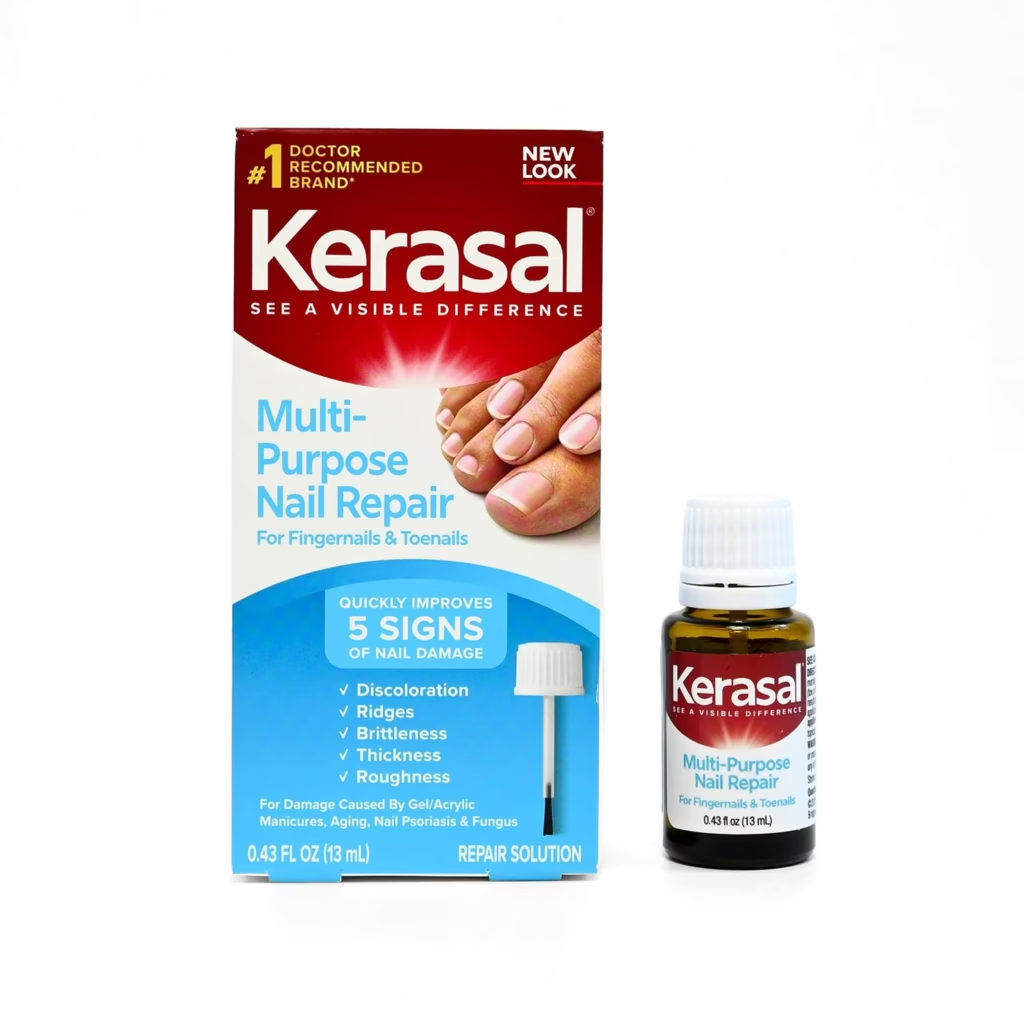
– Kerasal Multi-Purpose Nail Repair: Formulated with urea and lactic acid to improve the appearance of thick, brittle, and discolored nails. It focuses on softening rough nail surfaces and supporting a smoother appearance rather than treating the underlying fungal infection.
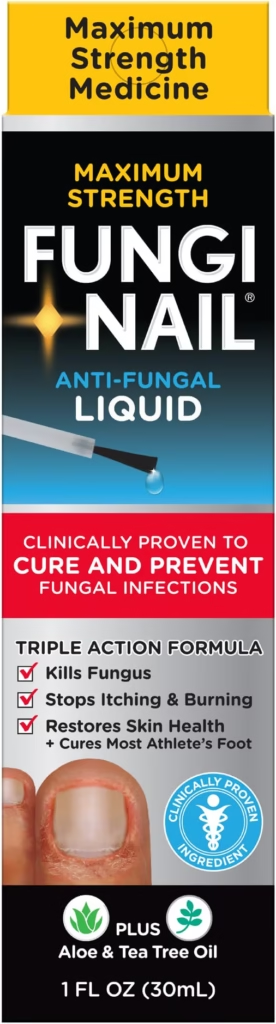
– Fungi-Nail Maximum Strength Anti-Fungal Liquid: An OTC antifungal product intended for certain fungal skin infections, including athlete’s foot. It may appeal to shoppers who prefer conventional antifungal ingredients, although it is not proven to eliminate fungus beneath the toenail.
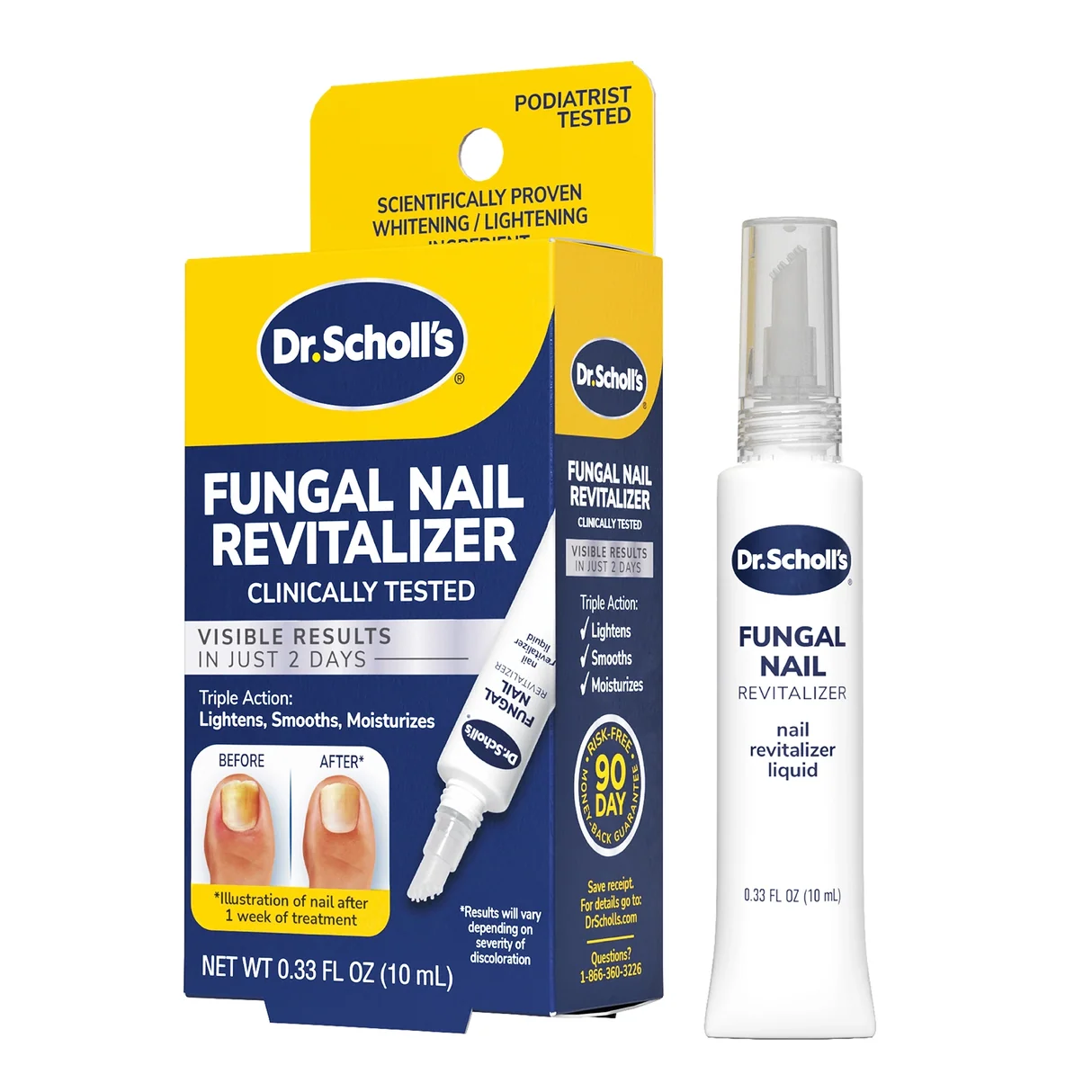
– Dr. Scholl’s Fungal Nail Revitalizer: Combines a topical conditioning solution with LED light technology to improve the appearance of damaged or discolored nails. Its application system may interest users seeking a structured cosmetic nail-care routine, although clinical evidence for curing nail fungus is limited.
My assessment: KeraFirm Pro remains my preferred option for shoppers interested in a botanical, brush-on nail-conditioning formula. Its precision applicator, combination of oils, and advertised 60-day guarantee are appealing features.
Amazon availability may vary by seller and location.
KeraFirm Pro’s 60-Day Money-Back Guarantee
One feature I appreciate about KeraFirm Pro is its advertised 60-day money-back guarantee. The refund policy associated with the supplied purchasing domain states that the period begins when the package is delivered, providing buyers a defined opportunity to evaluate the purchase.
The published procedure requires contacting support within the eligibility period and returning all bottles, including opened or empty containers, along with the packing slip. Customers are responsible for return shipping under the policy I located. Refund processing and bank posting may require additional time after the returned package is received.
Importantly, this is a seller-specific purchase protection arrangement, not a universal warranty covering marketplace purchases. I recommend retaining the original order confirmation, packaging, delivery record, and applicable refund terms. Buyers should also recognize that the 60-day refund window may be shorter than the time required for substantial toenail regrowth.
Frequently Asked Questions About KeraFirm Pro
Q: Can KeraFirm Pro completely cure toenail fungus?
A: I found no reliable product-specific clinical evidence establishing complete fungal cure. Some ingredients have antifungal properties under laboratory conditions, but that does not demonstrate successful treatment beneath the nail. A clinician can confirm whether fungus is present and recommend an appropriate therapy.
Q: How long does KeraFirm Pro take to show visible results?
A: There is no independently verified product-specific timeline. Cosmetic changes may differ from actual infection clearance, and toenails often require many months to grow out. Consumers should avoid interpreting an improved surface appearance as proof of eradication.
Q: Can I apply KeraFirm Pro to fingernails?
A: Although some marketing descriptions mention fingernails, suitability should be confirmed against the purchased bottle’s instructions. Fingernail abnormalities have several possible causes, so persistent changes deserve proper diagnosis rather than an assumption of fungal infection.
Q: Does KeraFirm Pro contain undecylenic acid?
A: Yes, it is included in the supplied ingredient information, and some published label descriptions specify 5%. Consumers should verify the actual concentration because the regulatory status of undecylenic acid products depends on factors including formulation, concentration, and intended indication.
Q: Can KeraFirm Pro cause skin irritation?
A: Yes. Essential oils and other aromatic ingredients may cause redness, itching, or allergic reactions in susceptible individuals. Stop using the product if substantial irritation develops, and seek professional advice for persistent symptoms or suspected allergy.
Q: Should I use KeraFirm Pro alongside prescription antifungal treatment?
A: I would not combine them without professional guidance. Cosmetic oils and medicated products may have different application requirements, and layering formulas could interfere with treatment or increase irritation. Follow the prescribing clinician’s instructions.
Q: Is KeraFirm Pro available on Amazon?
A: The product is primarily marketed through direct online sales, and I could not establish an authorized Amazon listing. Buyers should distinguish similarly named products and unrelated sellers from the actual product supplied through the designated sales channel.
Q: What happens if I am not satisfied with KeraFirm Pro?
A: The seller advertises a 60-day refund arrangement, subject to its documented requirements. The published policy calls for contacting support and returning the bottles and packing slip within the applicable period. Keeping proof of purchase and delivery helps protect eligibility.
My Final Verdict on KeraFirm Pro
After examining the formulation, application system, ingredient research, and consumer protections, I believe KeraFirm Pro offers an interesting approach to targeted cosmetic nail care. Its brush applicator is practical, the conditioning ingredients have plausible skincare roles, and the advertised refund policy adds a measure of purchase protection. Those advantages explain my favorable 4.6/5 editorial rating, which reflects product features rather than proven antifungal effectiveness.
The scientific limitations remain important. No independently verified finished-product clinical trial established that this solution cures onychomycosis, and published promotional ingredient descriptions require clarification against the actual label. I would approach it as a nail-maintenance product while reserving diagnosis and treatment decisions for qualified medical professionals, particularly when a nail is painful, deteriorating, or persistently discolored.
For adults seeking a brush-on botanical formula to complement sensible nail hygiene, I consider KeraFirm Pro worth evaluating after checking the label and purchase terms. Its strengths lie in targeted application and cosmetic conditioning, while expectations about fungal elimination should remain evidence-based. Anyone interested in purchasing should review the current offer, complete ingredient disclosure, and refund requirements before making a final decision.

Disclaimer
This article provides general educational information and independent editorial analysis, not medical diagnosis or treatment advice. Suspected fungal nail infections should be evaluated by an appropriate healthcare professional. Results and tolerability vary, and the product has not been established here as a clinically proven cure. Affiliate disclosure: This article contains affiliate links, and I may receive a commission from qualifying purchases at no additional cost to the buyer.
References
- American Academy of Dermatology Association. Nail Fungus: Diagnosis and Treatment. Explains confirmed treatment approaches, the difficulty of penetrating nail tissue, expected treatment duration, and limitations of remedies such as tea tree oil.
https://www.aad.org/public/diseases/a-z/nail-fungus-treatment - National Center for Complementary and Integrative Health (NIH). Tea Tree Oil: Usefulness and Safety. Reviews the available research, including the insufficient evidence for fungal nail infections and important topical safety considerations.
https://www.nccih.nih.gov/health/tea-tree-oil - U.S. Food and Drug Administration. OTC Monograph M005: Topical Antifungal Drug Products for Over-the-Counter Human Use. Establishes regulatory requirements and recognized active-ingredient concentrations for specified nonprescription fungal skin treatments, including undecylenates.
https://www.accessdata.fda.gov/drugsatfda_docs/omuf/monographs/OTC%20Monograph_M005-Topical%20Antifungal%20drug%20products%20for%20OTC%20Human%20Use%2012.16.2021.pdf - Carson CF, Hammer KA, and Riley TV. Melaleuca alternifolia (Tea Tree) Oil: A Review of Antimicrobial and Other Medicinal Properties. Clinical Microbiology Reviews, 2006. Examines the biological activity and limitations of tea tree oil research without establishing efficacy for this particular commercial formula.
https://pubmed.ncbi.nlm.nih.gov/16418522/ - British Association of Dermatologists. British Association of Dermatologists Guideline for Managing Fungal Nail Infection (Onychomycosis) 2026. Provides contemporary evidence-based recommendations for diagnosis, topical therapy, systemic treatment, and management considerations for fungal nail disease.
https://doi.org/10.1093/bjd/ljag318