

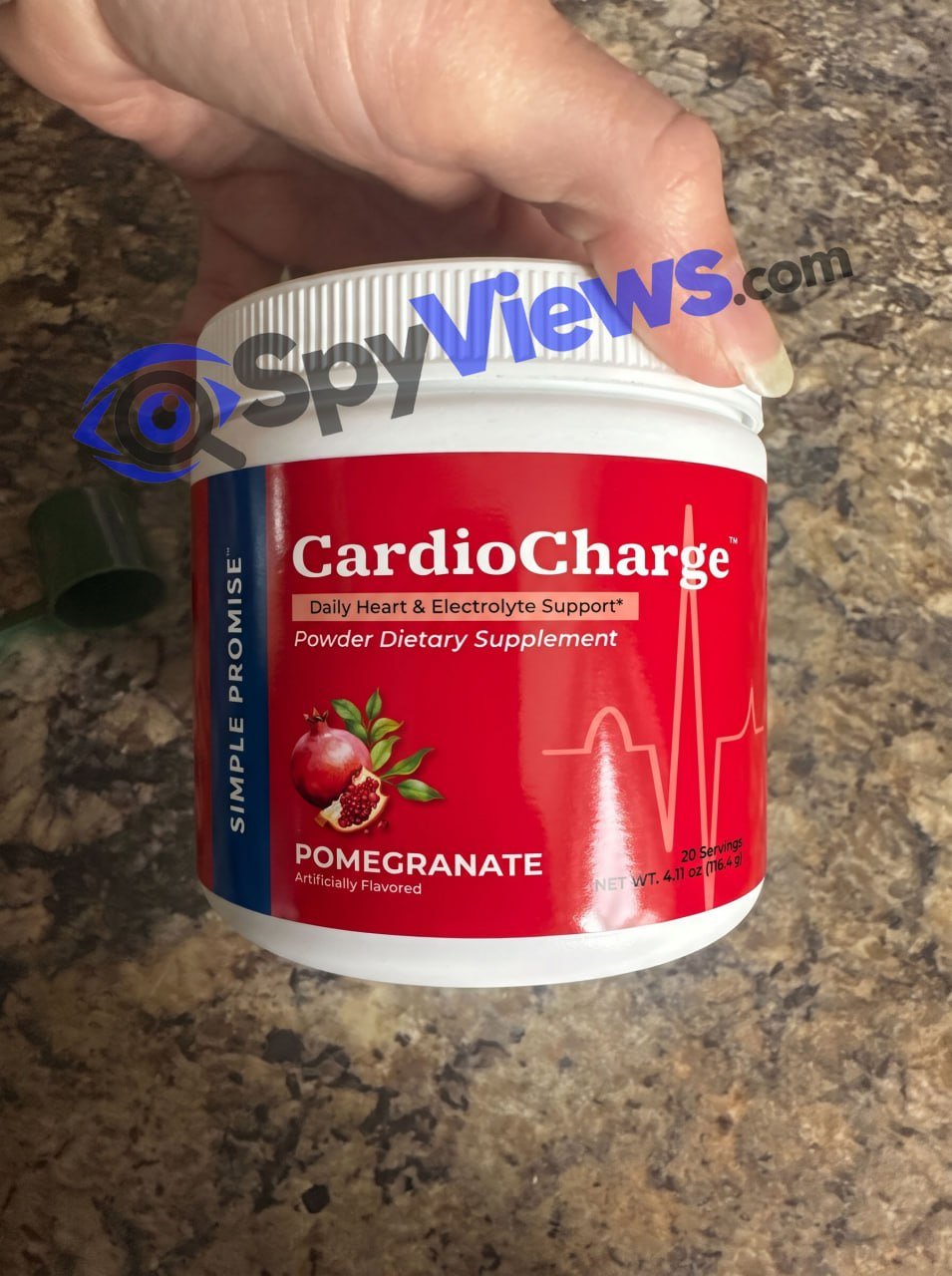
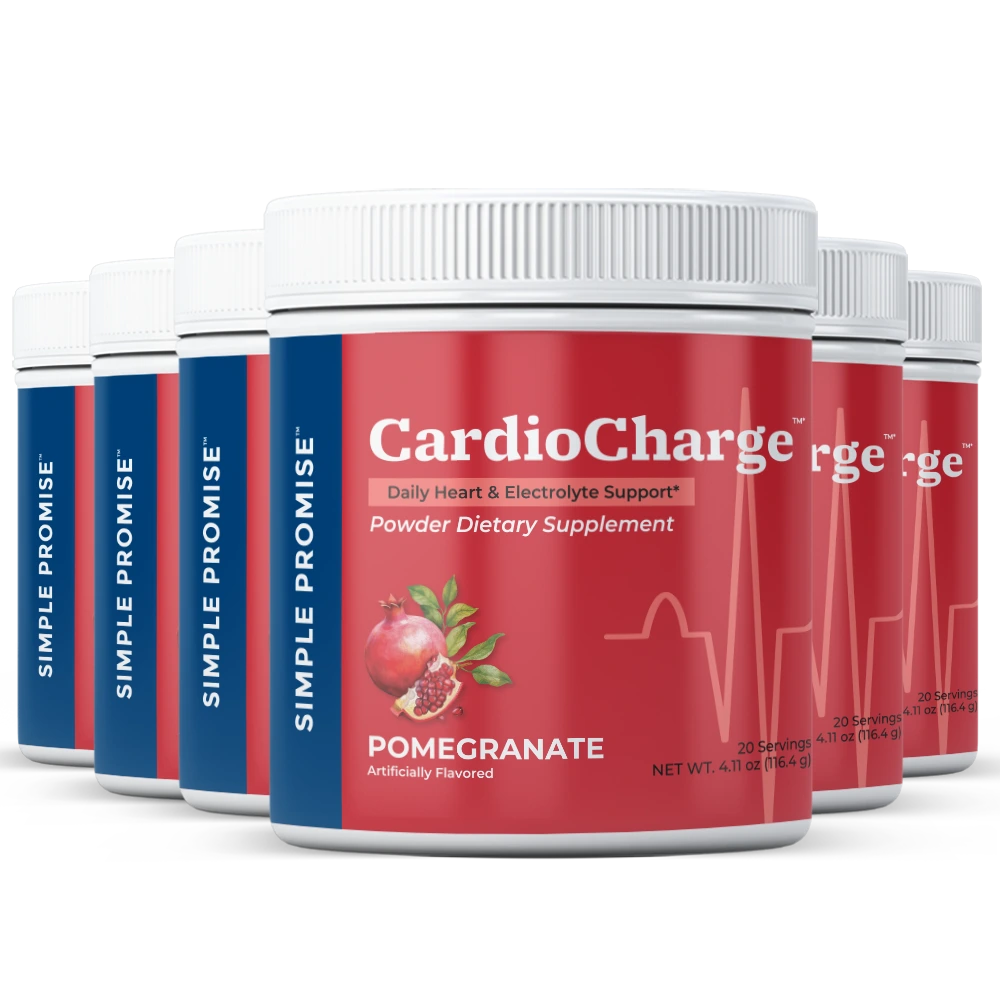
Maintaining healthy circulation becomes increasingly important as we age, especially when everyday energy, cardiovascular resilience, and arterial flexibility become bigger priorities. While investigating nutritional approaches to heart health, I came across CardioCharge, a powdered supplement that takes an interesting approach by combining cellular-energy support, plant antioxidants, and essential electrolytes in a single daily drink.
What caught my attention was its focus on the cells lining blood vessels rather than relying on caffeine or other stimulants for an immediate energy sensation. The manufacturer suggests that supporting these cells may help maintain flexible arteries, healthy circulation, and natural cardiovascular function. It is an appealing concept, although the scientific evidence deserves closer examination before accepting the promises at face value.
This is my detailed, research-based CardioCharge review covering what I discovered about its ingredients, potential results, side effects, safety considerations, and whether it appears to be a scam or legitimate supplement. I also examined the manufacturer’s claims, relevant clinical research, competing products, and purchase protection to determine where CardioCharge genuinely stands out.
CardioCharge Product Overview
Before examining individual ingredients, I wanted to establish exactly what this supplement offers and how its formulation differs from conventional cardiovascular-support capsules.
| Product Detail | Information |
|---|---|
| Product Name | CardioCharge |
| Manufacturer | Simple Promise |
| Product Category | Cardiovascular and circulation-support dietary supplement |
| Primary Purpose | Supporting healthy arterial function, circulation, cellular energy, and electrolyte balance |
| Supplement Format | Water-soluble flavored powder |
| Key Ingredients | D-Ribose, Hibiscus Flower Extract, Hytolive® Olive Extract, Potassium Citrate, Magnesium Glycinate, Sodium Citrate, and L-Glycine |
| Recommended Usage | Mix one scoop into a glass of water each morning |
| Flavor | Light pomegranate-spritzer flavor, as described by the manufacturer |
| Stimulants | Marketed as caffeine-free and stimulant-free |
| Serving Information | Manufacturer lists approximately 20 servings per jar |
| Pricing | Consult the official product website for current package options and offers |
| Money-Back Guarantee | Advertised 365-day money-back guarantee |
| Overall Editorial Rating | 4.5/5 — ★★★★½ |
| Official Website | ✅ Click Here |
My initial impression is that the formulation has a coherent nutritional rationale. The combination of minerals and plant-derived compounds is particularly interesting, although ingredient plausibility should not be mistaken for clinical proof that the finished supplement improves cardiovascular outcomes.
What Is CardioCharge?
CardioCharge is a powdered dietary supplement developed for adults interested in maintaining cardiovascular wellness through daily nutritional support. Its manufacturer, Simple Promise, positions it as an alternative to conventional heart-health capsules by delivering selected nutrients in a flavored beverage that fits into a morning routine.
The formula addresses several connected aspects of cardiovascular physiology. D-Ribose participates in cellular energy metabolism, hibiscus supplies plant compounds studied for blood-pressure effects, and olive-derived polyphenols offer antioxidant activity. Potassium, magnesium, and sodium contribute to normal electrolyte-dependent functions, while glycine participates in numerous metabolic processes.
What distinguishes this approach is its emphasis on combining these pathways rather than concentrating on a single ingredient. The manufacturer’s explanation centers on maintaining the function of endothelial cells, which form the inner lining of blood vessels and help regulate vascular responses.
However, I would not describe CardioCharge as a treatment for hypertension, blocked arteries, or cardiovascular disease. Its appropriate role is as a dietary supplement, potentially complementing established habits such as physical activity, balanced nutrition, adequate sleep, and appropriate medical care.
How CardioCharge Is Designed to Support Circulation
The proposed mechanism behind CardioCharge involves several complementary biological processes rather than one immediate physiological effect.
First, D-Ribose contributes to the production of molecules involved in cellular energy, including ATP. Because cardiovascular tissues have substantial energy requirements, the manufacturer presents ribose as a way to support their normal metabolic activity. However, additional dietary ribose has not been established as necessary for normal heart function in otherwise healthy adults.
Second, hibiscus polyphenols have been investigated for their potential effects on vascular function and blood-pressure regulation. Olive-derived hydroxytyrosol adds another dimension through antioxidant activity, particularly its relationship with oxidative processes affecting lipids.
Finally, magnesium, potassium, and sodium participate in electrical signaling, muscle contraction, and fluid balance. These functions are essential to cardiovascular physiology, but taking additional electrolytes does not automatically relax arteries or improve circulation when nutritional status is already adequate.
I consider this a scientifically plausible combination of mechanisms. The important distinction is that plausible biological activity is not equivalent to demonstrated clinical benefit from the complete CardioCharge formula.
CardioCharge Ingredients: My Detailed Formula Analysis
The most useful way to evaluate CardioCharge is to examine each highlighted ingredient individually. Their properties vary considerably, and some have more direct human cardiovascular research than others.
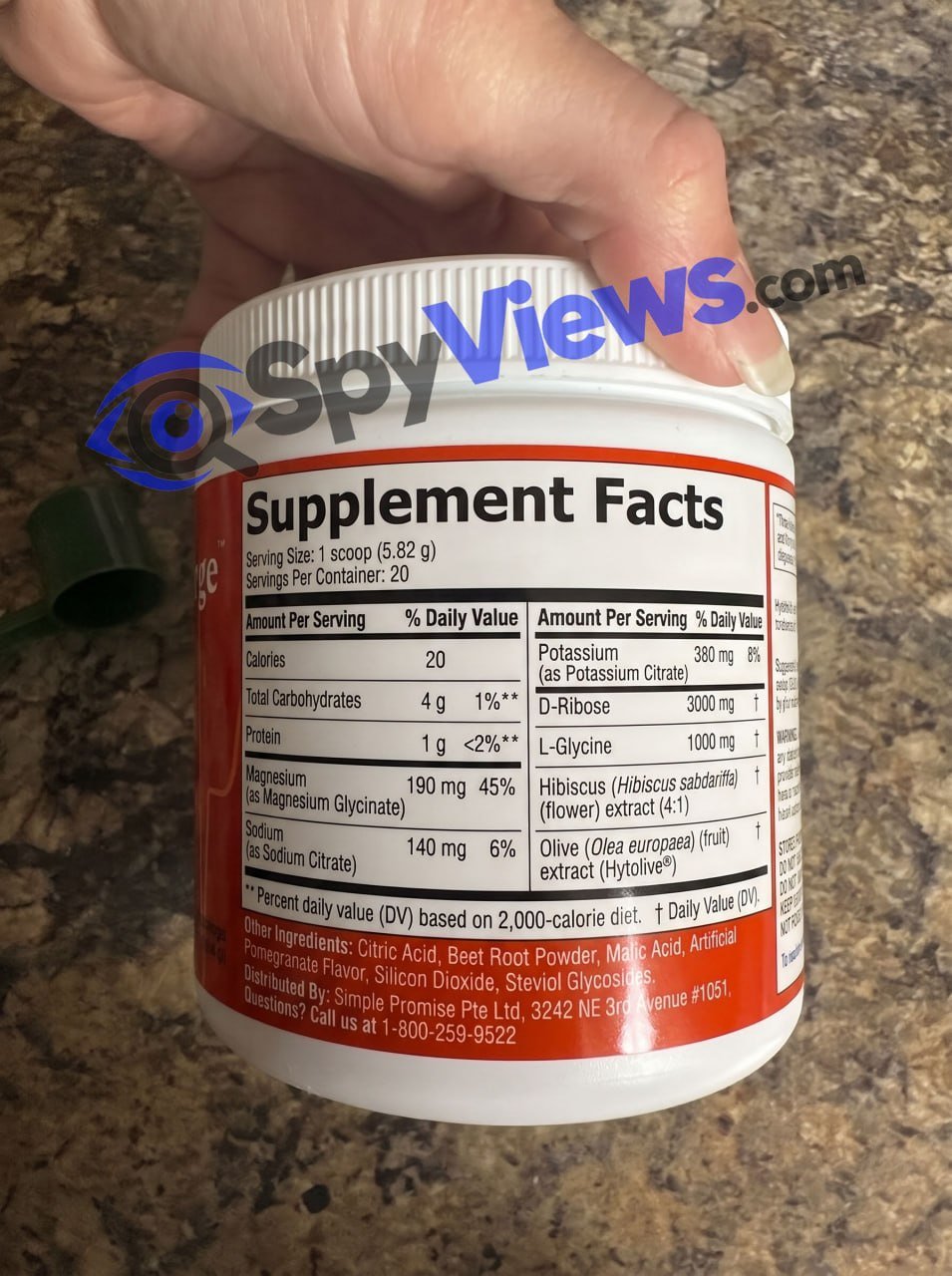
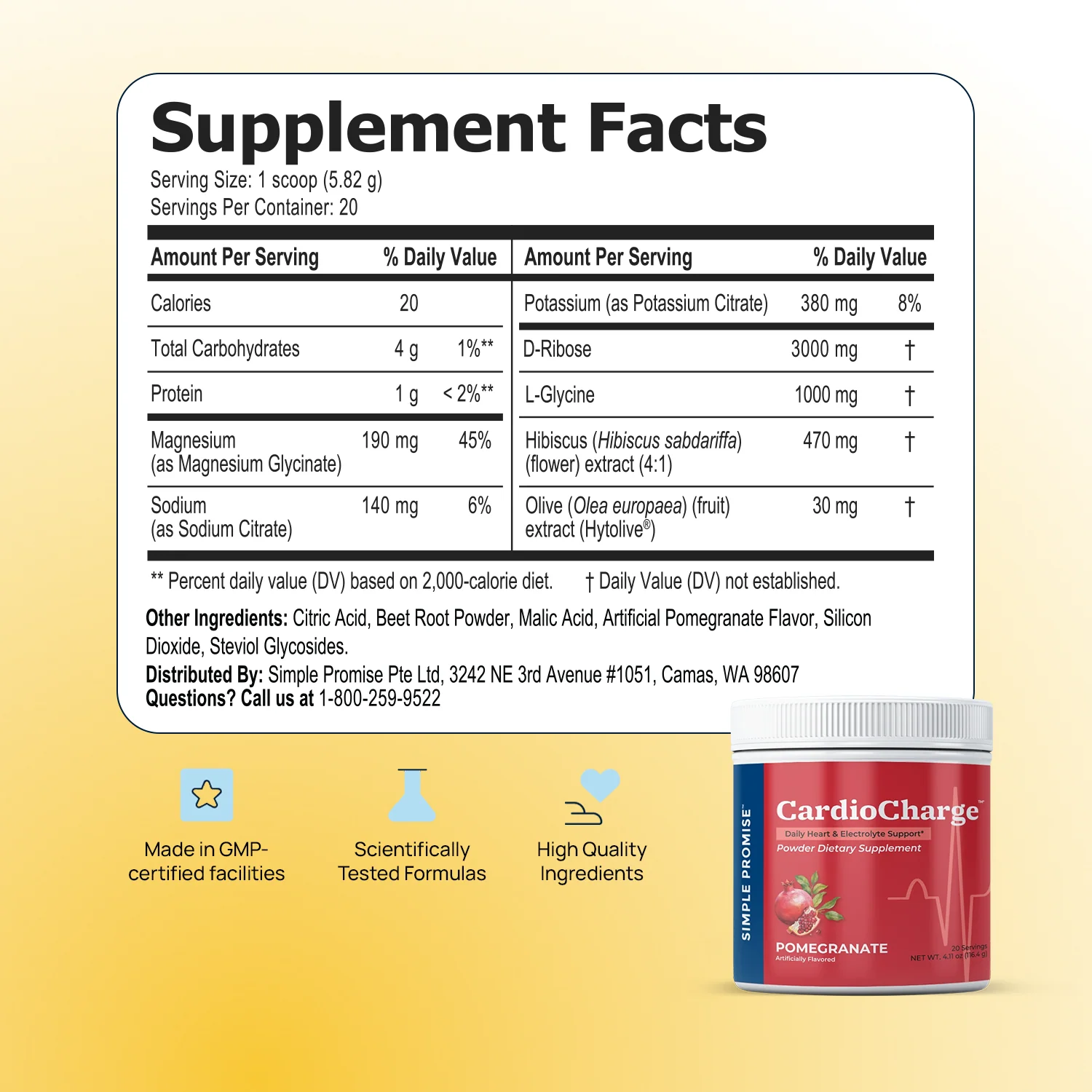
🍃 D-Ribose
D-Ribose is a naturally occurring five-carbon sugar involved in nucleotide production and cellular energy metabolism. ATP, which cells use to transfer energy, contains a ribose component. This connection explains its inclusion in a supplement marketed around heart-cell energy and cardiovascular resilience.
Small clinical studies have examined supplemental ribose in certain cardiac populations, but results remain preliminary and do not establish broad benefits for healthy adults. D-Ribose can also temporarily lower blood glucose under some conditions, making it particularly important for individuals managing diabetes or using glucose-lowering medication to obtain medical guidance.
🍃 Hibiscus Flower Extract
Hibiscus is one of the more compelling ingredients in this formulation because human clinical trials have investigated its effects on blood pressure. The plant contains anthocyanins, organic acids, and other polyphenols that may influence vascular physiology.
A systematic review published in Nutrition Reviews found evidence of reductions in systolic blood pressure in hibiscus intervention studies, although results varied substantially between trials. I view this as encouraging ingredient-level evidence, not proof that CardioCharge produces the same effects. Extract concentration, standardized compounds, and serving amounts can all influence whether findings are transferable.
🍃 Hytolive® Olive Extract
Hytolive® is a branded olive-derived ingredient associated with hydroxytyrosol, a phenolic compound recognized for its antioxidant properties. Olive polyphenols have attracted scientific interest because oxidative modification of LDL particles contributes to processes involved in cardiovascular disease.
Human research involving hydroxytyrosol-enriched olive products has reported improvements in certain vascular and oxidative-stress markers. Nevertheless, these studies involve particular preparations and participant populations. Their findings cannot automatically establish that CardioCharge improves arterial elasticity or prevents cardiovascular disease.
🍃 Potassium Citrate
Potassium is an essential mineral involved in nerve signaling, muscle contraction, fluid regulation, and normal cardiac electrical activity. Adequate potassium intake, particularly through a healthy diet, is associated with favorable blood-pressure regulation.
Potassium citrate provides potassium in a supplemental form, but its suitability depends on individual health circumstances. People with kidney impairment or those using medications that increase potassium retention can develop dangerously elevated blood potassium. I consider this an important safety consideration rather than a minor detail.
🍃 Magnesium Glycinate
Magnesium participates in hundreds of enzymatic processes, including those involved in energy production, nerve activity, and muscle function. Its role in normal cardiovascular physiology makes it a logical ingredient in a circulation-focused supplement.
Magnesium glycinate combines magnesium with glycine and is commonly selected for its tolerability. Evidence suggests that correcting insufficient magnesium intake can be beneficial, but additional supplementation does not guarantee improved circulation. Excessive supplemental magnesium may cause digestive symptoms and presents greater concerns in people with impaired kidney function.
🍃 Sodium Citrate
Sodium citrate provides sodium, an electrolyte essential for fluid balance, nerve transmission, and normal muscle activity. Citrate also has buffering properties, although the practical effects depend on the amount consumed and the complete formulation.
Including sodium in an electrolyte drink has a clear nutritional rationale, but sodium is not universally beneficial in larger amounts. People managing hypertension, heart failure, or sodium-restricted diets should assess the total sodium contribution rather than assuming every electrolyte blend is automatically heart-friendly.
🍃 L-Glycine
L-Glycine is an amino acid used in protein synthesis and several metabolic pathways. It contributes to collagen formation and participates in the production of compounds involved in antioxidant defenses, including glutathione.
These biological functions make glycine interesting for general tissue maintenance. However, direct clinical evidence that supplemental glycine repairs arterial walls or reverses vascular aging remains insufficient. I regard its inclusion as a potentially useful supporting component rather than a proven arterial-rejuvenation ingredient.
Six Potential CardioCharge Benefits I Consider Most Relevant
The strongest argument for CardioCharge is the way its ingredients address several aspects of everyday cardiovascular nutrition. I identified six potential advantages, each with different levels of scientific support.
⭐ 1. Support for Healthy Blood Circulation
Normal circulation depends on coordinated heart activity, vascular function, and appropriate blood-pressure regulation. Hibiscus and olive-derived polyphenols make the supplement relevant to these processes because both have been investigated in cardiovascular research.
The potential benefit is supporting existing vascular health rather than reversing established arterial disease. Anyone experiencing symptoms such as persistent chest discomfort, unexplained breathlessness, or severe circulation problems needs medical evaluation instead of relying on a supplement.
⭐ 2. Nutritional Support for Arterial Flexibility
Arteries naturally respond to changes in blood flow and pressure, and endothelial signaling helps regulate these responses. Oxidative stress, aging, and metabolic conditions may affect normal vascular function over time.
CardioCharge’s antioxidant-focused ingredients provide a plausible nutritional approach to vascular wellness. Still, I found no reliable basis for promising measurable arterial rejuvenation or restoration of youthful vessel elasticity from this specific product.
⭐ 3. Cellular Energy Support Without Caffeine
The inclusion of D-Ribose distinguishes CardioCharge from energy drinks that depend on stimulants. Ribose participates in the biochemical structures needed for ATP production, giving the manufacturer’s cellular-energy positioning a recognizable scientific foundation.
However, drinking ribose does not necessarily increase ATP availability or produce noticeable energy improvements in healthy people. Its caffeine-free design is attractive to stimulant-sensitive consumers, but I would not promise an immediate improvement in alertness or stamina.
⭐ 4. Essential Electrolyte Support
Potassium, magnesium, and sodium are involved in maintaining normal nerve and muscle function. Including all three in one beverage offers a practical way to consume these minerals as part of a consistent supplement routine.
This may be useful for adults whose dietary intake requires attention, provided the formula fits their individual needs. It is not automatically equivalent to a specialized sports-rehydration product, nor should it replace individualized electrolyte advice for people with medical conditions.
⭐ 5. Antioxidant Protection Through Plant Compounds
The combination of hibiscus and olive-derived polyphenols gives CardioCharge a meaningful antioxidant component. These substances have been studied for their interactions with oxidative pathways associated with cardiovascular health.
I see this as a credible formulation feature, although antioxidant activity measured in laboratory experiments does not necessarily translate into fewer cardiovascular events. Long-term protection against heart attacks or strokes has not been established for this finished supplement.
⭐ 6. Convenient Daily Cardiovascular Wellness Routine
Convenience is one of the most tangible benefits. One scoop mixed with water is straightforward, and the manufacturer describes a light pomegranate flavor that may make regular consumption more appealing than swallowing several capsules.
Consistency can improve adherence to a nutrition routine, but consistency alone cannot establish effectiveness. I appreciate the simple format while keeping the distinction between convenient supplementation and demonstrated medical outcomes firmly in view.
What Does Scientific Research Actually Support?
I examined the scientific reasoning behind CardioCharge with particular attention to human studies rather than relying on theoretical mechanisms.
Hibiscus has comparatively relevant human evidence. A 2022 systematic review and meta-analysis involving randomized trials reported favorable effects on certain blood-pressure measurements, although study variability and differences in preparation limit generalization.
Hydroxytyrosol research provides another encouraging area. A small controlled study involving hydroxytyrosol-enriched olive oil reported improvements in selected vascular-function measurements, but its results cannot establish equivalent benefits from an olive-extract drink powder.
The evidence for D-Ribose is less convincing for ordinary cardiovascular wellness. Its participation in ATP metabolism is undisputed, but clinical evidence that supplementing healthy adults improves circulation or restores energy remains limited.
Most importantly, I did not identify a published, peer-reviewed randomized controlled trial demonstrating that the complete CardioCharge formulation improves blood flow, prevents cardiovascular disease, or produces clinically meaningful changes in arterial flexibility.
That distinction substantially influences my assessment. Its highlighted ingredients have legitimate scientific relevance, but CardioCharge itself should not be presented as clinically proven to deliver the manufacturer’s full range of claimed outcomes.
CardioCharge Compared With Typical Circulation Supplements
While comparing CardioCharge with conventional cardiovascular-support products, I focused on formulation philosophy, practical convenience, and buyer protection rather than marketing language.
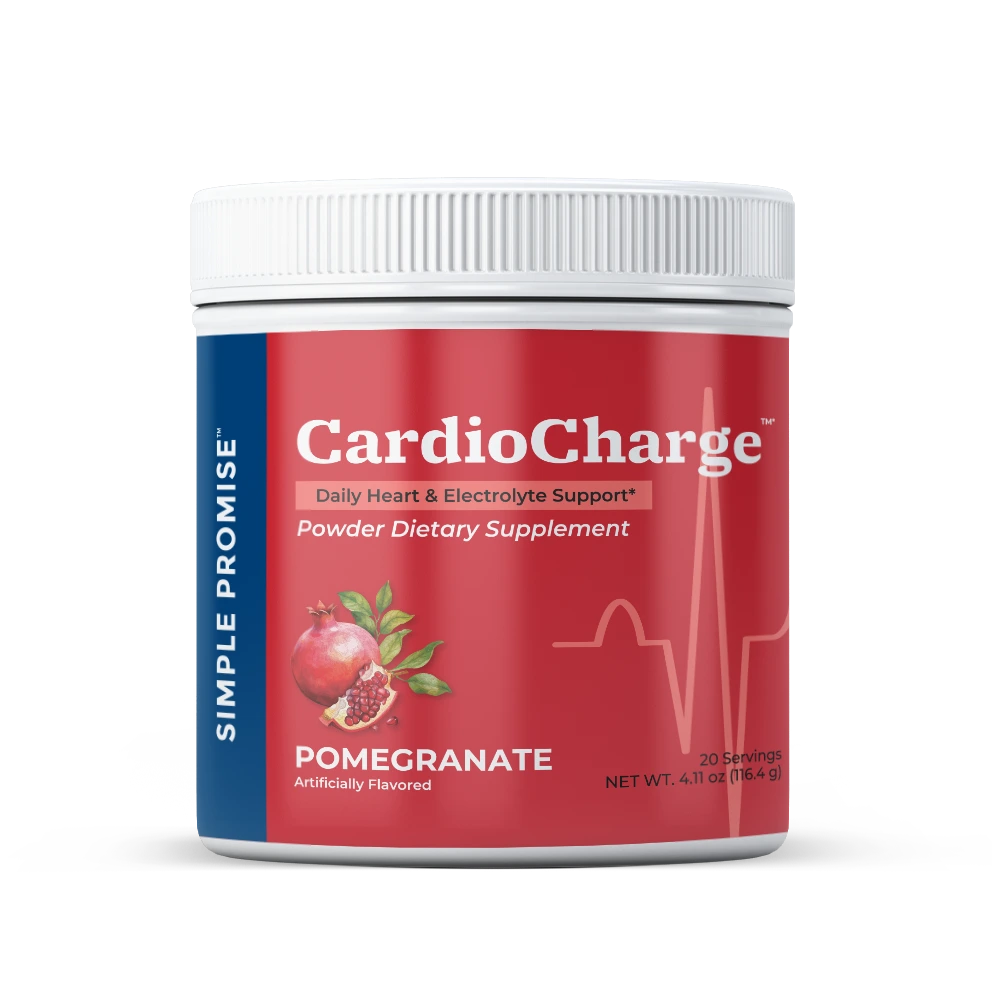

| Comparison Factor | CardioCharge | Typical Single-Focus Circulation Supplement |
|---|---|---|
| Formulation Approach | Combines electrolytes, D-Ribose, glycine, and botanical extracts | Often concentrates on one mineral, plant extract, or nutrient |
| Primary Focus | Circulation, cellular energy, vascular nutrition, and hydration | Usually emphasizes one principal cardiovascular pathway |
| Daily Format | Flavored powder mixed with water | Commonly capsules, tablets, or softgels |
| Stimulants | Marketed as caffeine-free | Depends on the individual formulation |
| Ingredient Evidence | Several ingredients have relevant scientific literature | Evidence varies widely by ingredient and dosage |
| Finished-Product Evidence | Clinical outcome trials not established in this review | Some products have clinical testing; many do not |
| Label Assessment | Manufacturer provides serving and formulation information | Transparency varies by brand and product |
| Convenience | One morning drink, although mixing is required | Often portable and requires no preparation |
| Value Considerations | Multiple nutritional components in one formula | Single-focus products may suit narrower needs |
| Purchase Protection | Advertised 365-day refund guarantee | Policies vary by retailer and manufacturer |
The comparison illustrates why CardioCharge may appeal to people who prefer one multi-ingredient drink. However, combining several nutrients does not necessarily make a supplement superior to a simpler formula selected for an identified nutritional requirement.
CardioCharge Bonuses


My CardioCharge Rating and Editorial Assessment
After considering the formula, research, usability, and purchase terms, I assign CardioCharge an overall editorial rating of 4.5 out of 5.
Overall Rating: 4.5/5 — ★★★★½
| Assessment Category | Rating | My Evaluation |
|---|---|---|
| Ingredient Selection | ★★★★★ 4.8/5 | A thoughtfully assembled combination addressing several nutritional aspects of cardiovascular function |
| Scientific Rationale | ★★★★½ 4.5/5 | Relevant ingredient research, although finished-product clinical outcomes remain unestablished |
| Convenience | ★★★★★ 4.7/5 | Straightforward once-daily powder format without capsules or stimulants |
| Formula Versatility | ★★★★½ 4.6/5 | Integrates botanicals, amino-acid support, and electrolytes |
| Evidence Transparency | ★★★★☆ 4.0/5 | Ingredient science is accessible, but stronger product-specific research would improve confidence |
| Purchase Protection | ★★★★½ 4.7/5 | The advertised 365-day refund period is attractive, subject to actual policy conditions |
My rating reflects the product’s formulation, convenience, positioning, and advertised consumer protection. It is not a clinical effectiveness score, a verified customer satisfaction average, or a prediction that every buyer will experience cardiovascular improvements.
How to Take CardioCharge Correctly
The manufacturer recommends mixing one scoop of CardioCharge into a glass of water first thing each morning. Filtered, bottled, carbonated, or ordinary tap water may be used, provided the water is safe to drink.
The powder is described as smooth-mixing and lightly flavored like pomegranate. Since taste and solubility are subjective, those characteristics should be treated as manufacturer descriptions rather than independently confirmed results.
I recommend following the exact scoop and serving instructions printed on the container, avoiding additional servings without professional advice, and checking for overlapping minerals in other supplements. People using medications, especially those affecting blood pressure, blood glucose, or potassium levels, should seek individualized guidance before starting.
CardioCharge Pros and Cons
Every supplement involves trade-offs, and CardioCharge is no exception. Its strengths center on formulation and convenience, while its limitations relate mainly to clinical certainty and individual suitability.
| Pros | Cons |
|---|---|
| Multi-pathway formulation: Combines electrolytes, botanical compounds, and cellular-metabolism ingredients | Limited finished-product evidence: Benefits of the exact combined formula have not been established in robust clinical trials |
| Stimulant-free positioning: Avoids caffeine-dependent energy effects | Not suitable for everyone: Potassium and other ingredients require caution with certain medical conditions |
| Relevant ingredient research: Hibiscus and olive polyphenols have been investigated in human studies | Preparation required: Powder must be mixed with water rather than swallowed as a capsule |
| Convenient daily serving: Simple once-morning routine may support consistent use | Results are uncertain: Consumers should not expect guaranteed changes in blood pressure, energy, or circulation |
| Botanical antioxidant component: Includes compounds associated with oxidative-stress research | |
| Extended purchase protection: Advertised 365-day money-back guarantee |
Overall, I find the positives persuasive for the right consumer. The limitations do not make the product inherently poor, but they reinforce the importance of realistic expectations and medical suitability.
Possible CardioCharge Side Effects and Drawbacks
Potential side effects from CardioCharge depend on ingredient amounts, personal sensitivity, underlying health conditions, and concurrent medication use. A benign experience for one adult does not guarantee the same outcome for another.
Magnesium and potassium supplements can sometimes cause gastrointestinal discomfort. D-Ribose has demonstrated temporary blood-glucose-lowering effects in human studies, particularly at larger experimental doses. Hibiscus may also contribute to blood-pressure changes, which could be relevant for people already taking antihypertensive medication.
Olive extracts and other botanical ingredients can cause individual sensitivities, although the actual frequency of reactions to this finished product is not established. Anyone experiencing dizziness, unusual weakness, palpitations, significant digestive symptoms, or an allergic reaction should discontinue use and obtain appropriate medical advice.
Is CardioCharge Safe for Everyday Use?
I consider the safety of CardioCharge to depend primarily on the buyer’s medical circumstances and total nutrient intake. Its ingredients have recognized nutritional or botanical uses, but that does not prove the finished formula is safe for every individual.
Kidney function, medication use, and electrolyte balance deserve particular attention. Potassium and magnesium are important nutrients, yet excessive accumulation can be harmful when kidney function is impaired.
The manufacturer’s statements about manufacturing practices and batch testing are encouraging, but they should not be confused with independent verification of every batch. CardioCharge is a dietary supplement, not an FDA-approved treatment for cardiovascular disease.
Medication Interactions and Important Precautions
The interaction profile of CardioCharge requires more consideration than its straightforward serving instructions might suggest.
Potassium-containing supplements can be problematic alongside ACE inhibitors, angiotensin receptor blockers, and potassium-sparing diuretics, particularly for patients with reduced kidney function. Magnesium may also interfere with the absorption of certain antibiotics and osteoporosis medications when taken too close together.
Hibiscus has potential blood-pressure-lowering activity, while D-Ribose may temporarily affect blood glucose. Anyone using blood-pressure medication, insulin, or other diabetes treatments should ask a pharmacist or clinician to assess the complete ingredient label before combining products.
These precautions do not prove an interaction will occur, but they are sufficiently important that I would not recommend treating this formula as universally compatible with prescription medication.
Who May Benefit From CardioCharge and Who Should Avoid It?
I would approach CardioCharge primarily as an optional nutritional product for adults interested in general cardiovascular wellness, not as a substitute for an individualized treatment plan.
Potentially Suitable Consumers
- Adults prioritizing cardiovascular nutrition: People seeking a supplement that combines several nutrients associated with normal heart and vascular physiology may appreciate its broad formulation.
- Consumers avoiding caffeine: Individuals who dislike stimulant-based energy products may prefer a formula that does not depend on caffeine for its positioning.
- People who prefer drink mixes: Those who find capsules inconvenient may appreciate incorporating the supplement into a familiar morning beverage routine.
Consumers Who Should Avoid It or Seek Medical Guidance
- People with kidney disease: Supplemental potassium and magnesium may require restrictions or monitoring depending on kidney function.
- People using cardiovascular or diabetes medication: Ingredient-related effects on potassium, blood pressure, or glucose warrant professional interaction screening.
- Pregnant or breastfeeding individuals and children: Adequate safety evidence for the complete formulation in these populations has not been established.
- People with diagnosed cardiovascular disease: The supplement should not replace prescribed treatments, medical monitoring, or emergency assessment of concerning symptoms.
What I Didn’t Like About CardioCharge
Although I appreciate several aspects of CardioCharge, a credible review must address the areas where its marketing and available scientific evidence do not fully align.
- The cellular-energy messaging can sound more definitive than the evidence. D-Ribose participates in ATP metabolism, but that does not prove supplemental ribose restores youthful cardiac function or improves energy in healthy adults.
- The arterial-rejuvenation concept needs stronger validation. Botanical antioxidants have interesting vascular research, yet claims suggesting actual arterial repair or reversal of aging require direct clinical evidence.
- Personalized mineral suitability is easily overlooked. An electrolyte-containing supplement may seem universally beneficial, but individuals with kidney conditions or relevant prescriptions need a more careful assessment.
- The finished formula deserves dedicated clinical research. Studying individual ingredients is valuable, but a randomized trial using the complete CardioCharge formulation would provide much stronger evidence of its practical effects.
These concerns keep my assessment grounded. They do not erase the product’s potential appeal, but they prevent me from interpreting its promotional explanations as established medical results.
Is CardioCharge a Scam or a Legitimate Supplement?
Based on the available information, I would not classify CardioCharge as a scam. Simple Promise presents an identifiable product, describes its ingredients and intended use, and advertises purchase protection. The individual ingredients also have recognizable nutritional or scientific backgrounds. These are positive indicators of a genuine marketed dietary supplement, although they do not independently verify every quality or performance claim.
The more important question is whether the product can deliver all the outcomes suggested by its marketing. I found credible research supporting selected ingredient mechanisms, but not sufficient clinical evidence to verify the complete range of promised cardiovascular benefits. My conclusion is that CardioCharge appears to be a legitimate supplement with a plausible formulation, while its actual effectiveness remains subject to individual variability and further research.
Amazon Alternatives Worth Comparing
Before purchasing CardioCharge, I also considered simpler supplements represented by established brands with Amazon marketplace listings. These alternatives address narrower nutritional goals rather than attempting to replicate the entire formula.

Traditional Medicinals Organic Hibiscus Tea is worth considering for people particularly interested in hibiscus. Its herbal tea format provides a more focused way to consume the plant, although tea preparation, extract concentration, and actual intake differ from CardioCharge.
Nature Made High Absorption Magnesium Glycinate offers a targeted magnesium supplement for consumers whose principal goal is meeting magnesium needs. It does not provide the botanical polyphenols or combined electrolyte profile found in CardioCharge.
Life Extension d-Lenolate Olive Leaf Extract represents a more specialized olive-extract option. However, olive leaf extract and hydroxytyrosol-focused preparations are not interchangeable, and their active-compound profiles may differ substantially.
My preference would depend on the buyer’s nutritional objective. A focused product can be more appropriate when addressing a specific dietary gap, while CardioCharge offers broader ingredient coverage in one drink. Amazon availability, sellers, labeling, and current offers should be checked before purchase.
CardioCharge 365-Day Money-Back Guarantee
The advertised 365-day money-back guarantee is one of the more appealing commercial features of CardioCharge.
The manufacturer presents this extended period as an opportunity to evaluate the product with reduced purchase uncertainty. A guarantee lasting approximately one year is particularly relevant to consumers considering a daily supplement, although refund protection should not be interpreted as evidence that the product works.
I would still recommend reviewing the current refund policy before ordering. Confirm the qualifying purchase channel, refund-request procedure, whether opened or used containers are eligible, and whether shipping costs or other restrictions apply. The supplied guarantee does not establish all these operational details.
Buyers should not assume that purchases through unrelated marketplace sellers receive the same manufacturer-backed protection. The official website is the appropriate starting point for reviewing the advertised guarantee and current purchase terms.
Frequently Asked Questions About CardioCharge
Q: What is CardioCharge primarily designed to do?
A: CardioCharge is designed to provide nutritional support for normal cardiovascular function, circulation, cellular metabolism, and electrolyte balance. Its approach combines several ingredient categories, but it is not an approved treatment for hypertension, arterial blockages, or heart disease. I would consider it a general wellness supplement rather than a medical intervention.
Q: Can CardioCharge help lower blood pressure?
A: Some research indicates that hibiscus preparations may modestly influence blood-pressure measurements in certain populations. However, studies of hibiscus alone cannot establish that CardioCharge produces the same result. Anyone managing hypertension should continue prescribed treatment and discuss supplementary products with their clinician.
Q: Does CardioCharge contain caffeine?
A: The manufacturer describes CardioCharge as caffeine-free and stimulant-free. Its energy-related positioning instead focuses on D-Ribose and cellular metabolism. This distinction may appeal to caffeine-sensitive consumers, although a stimulant-free formulation does not guarantee noticeable improvements in daily energy.
Q: How many times should I take CardioCharge daily?
A: The recommended routine is one scoop mixed into a glass of water each morning. I would follow the container’s current serving instructions and avoid taking additional scoops without appropriate guidance. More frequent supplementation is not established as more effective and could increase mineral or ingredient exposure.
Q: Is CardioCharge suitable for people with diabetes?
A: D-Ribose has demonstrated temporary glucose-lowering effects in certain studies, which makes diabetes management a relevant precaution. Individuals using insulin or glucose-lowering medication should obtain professional guidance before starting the supplement. Its suitability depends on the person’s medications, glucose control, and overall health.
Q: How quickly can someone expect results?
A: There is no clinically established timeline for measurable benefits from the finished CardioCharge formula. Effects reported in studies involving isolated ingredients cannot reliably predict an individual’s response to this combination. I would avoid expecting immediate improvements or assuming that longer use guarantees cardiovascular changes.
Q: Can CardioCharge replace heart medications?
A: No. CardioCharge should not replace prescribed blood-pressure medicines, cholesterol treatments, anticoagulants, or other cardiovascular therapies. Dietary supplements have different evidence and regulatory standards from approved medicines. Anyone considering treatment changes should consult the prescribing healthcare professional.
Q: Is CardioCharge worth considering for long-term wellness?
A: I believe its combination of selected minerals, plant compounds, and a convenient beverage format may appeal to some adults seeking nutritional support. Its value depends on personal needs, health status, tolerability, and expectations. The strongest approach remains evidence-based lifestyle habits and medical care, with supplements considered optional additions.
My Final CardioCharge Review Verdict
After examining the formulation and available evidence, I believe CardioCharge offers a thoughtfully constructed approach to everyday cardiovascular nutrition. Its combination of hibiscus, olive-derived polyphenols, D-Ribose, glycine, and essential minerals addresses several legitimate biological processes. I particularly appreciate the caffeine-free drink format and the manufacturer’s emphasis on a simple daily routine, which may appeal to adults who prefer alternatives to traditional supplement capsules.
My reservations concern the difference between ingredient research and finished-product results. Although certain components have promising scientific backgrounds, CardioCharge has not been established as a clinically proven solution for arterial stiffness, impaired circulation, or cardiovascular disease. I also believe buyers should take the potassium content and medication considerations seriously. These limitations are important, but they do not eliminate the formulation’s appeal as a potential addition to an appropriate wellness routine.
With an overall editorial rating of 4.5/5, my conclusion is favorable but measured. CardioCharge may be worth considering for adults who want a stimulant-free, multi-ingredient cardiovascular-support supplement and understand its evidence limitations. For anyone interested in evaluating the formula, current offers, and advertised purchase protection, I recommend visiting the CardioCharge product page and reviewing the complete label and terms before making a decision.
Medical Disclaimer and Affiliate Disclosure
This article is provided for educational purposes and does not constitute medical advice. CardioCharge is a dietary supplement and is not intended to diagnose, treat, cure, or prevent disease. Consult a qualified healthcare professional before use, especially if you have a medical condition or take prescription medication. Individual experiences may vary.
Affiliate Disclosure: This article contains affiliate links. I may earn a commission from qualifying purchases at no additional cost to you. This does not change the importance of evaluating the product’s evidence, risks, and suitability independently.
References
- Ellis, L. R., et al. (2022). A Systematic Review and Meta-Analysis of the Effects of Hibiscus sabdariffa on Blood Pressure and Cardiometabolic Markers. Nutrition Reviews. This analysis evaluates randomized clinical trials involving hibiscus and cardiovascular risk markers, providing relevant evidence for the hibiscus component of CardioCharge.https://pubmed.ncbi.nlm.nih.gov/34927694/
- National Institutes of Health, Office of Dietary Supplements. Magnesium: Fact Sheet for Health Professionals. An authoritative overview of magnesium’s physiological functions, dietary requirements, supplemental safety, and medication interactions relevant to magnesium glycinate.https://ods.od.nih.gov/factsheets/Magnesium-HealthProfessional/
- National Institutes of Health, Office of Dietary Supplements. Potassium: Fact Sheet for Health Professionals. Explains potassium’s role in cardiovascular physiology and discusses the risks of excess potassium intake in vulnerable populations, particularly those with kidney impairment or certain medication regimens.https://ods.od.nih.gov/factsheets/Potassium-HealthProfessional/
- European Food Safety Authority. (2018). Safety of D-Ribose as a Novel Food Pursuant to Regulation (EU) 2015/2283. This scientific assessment examines human safety findings, including temporary changes in blood glucose following ribose consumption, making it relevant to CardioCharge’s cellular-energy ingredient.https://pmc.ncbi.nlm.nih.gov/articles/PMC7009719/
- Clinical Researchers (2023). Association of Hydroxytyrosol-Enriched Olive Oil With Vascular Function in Chronic Coronary Disease. This controlled clinical investigation examines hydroxytyrosol-enriched olive oil and selected vascular-function markers, offering useful context for CardioCharge’s olive-derived antioxidant component without establishing identical effects from the supplement.https://pubmed.ncbi.nlm.nih.gov/36912212/