

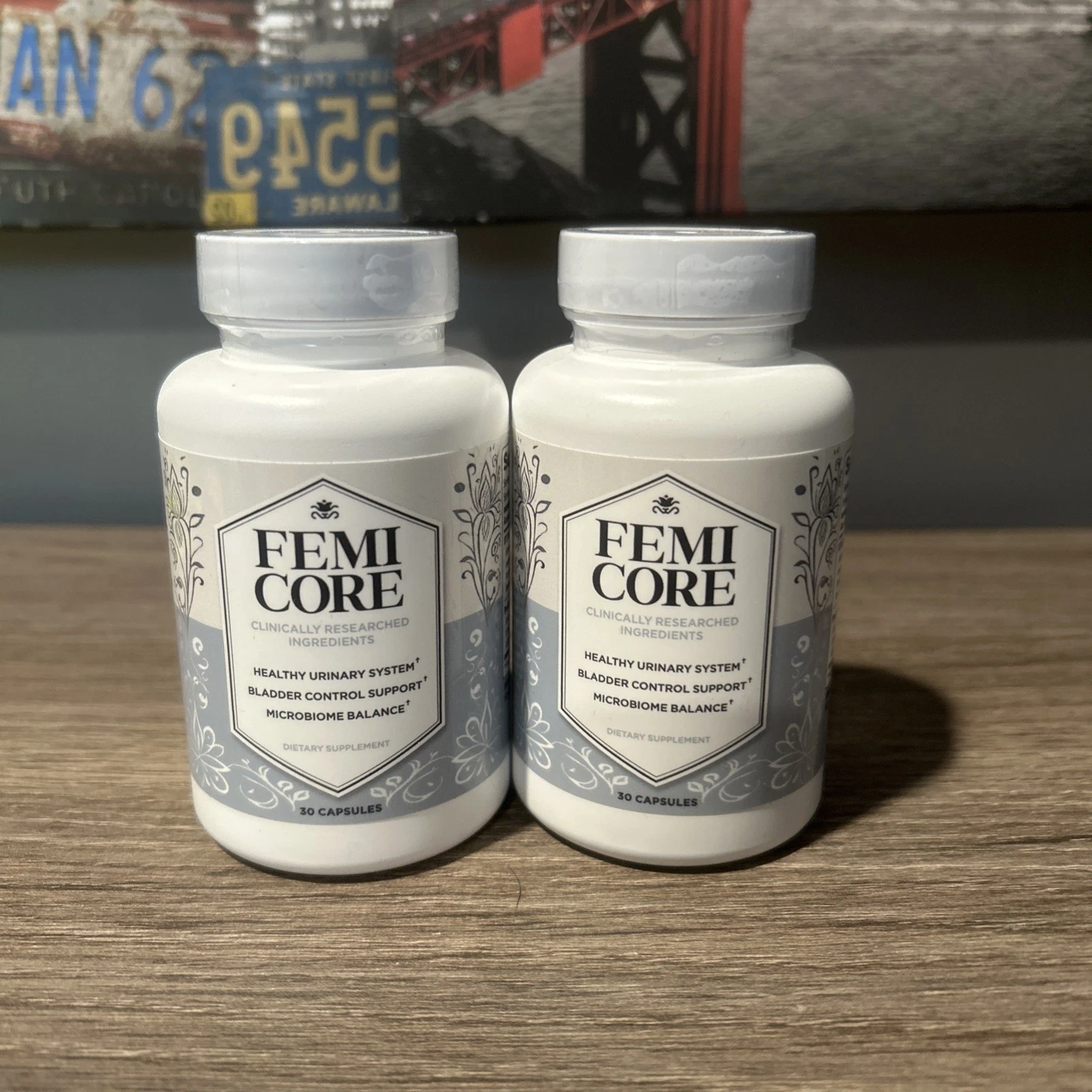
Bladder leakage can affect far more than bathroom habits. Unexpected urgency, occasional accidents, and frequent interruptions can make ordinary activities feel unnecessarily stressful. For women exploring nutritional approaches to urinary wellness, FemiCore introduces an interesting proposition: supporting the microbial environment associated with bladder health rather than concentrating exclusively on bladder muscles.
What caught my attention was its combination of botanical extracts and Lactobacillus probiotics. The formula is marketed around urinary microbiome balance, an emerging area of research that deserves careful examination. However, promising biological theories do not automatically establish that a finished supplement can prevent involuntary urine leakage.
This is my detailed, research-based review of what I discovered about FemiCore, including its proposed results, ingredients, possible side effects, customer feedback, complaints, and whether it appears legitimate or a scam. I also examine the scientific evidence behind its formulation, its limitations, and the practical considerations I believe consumers should understand before purchasing.
FemiCore Product Overview
Before exploring the formulation, I compiled the essential characteristics of FemiCore into the following overview. It separates the product’s advertised characteristics from clinical outcomes that have not been independently established.
| Product Detail | Description |
|---|---|
| Product Name | FemiCore |
| Category | Women’s bladder and urinary wellness dietary supplement |
| Primary Purpose | Marketed to support urinary microbiome balance, bladder comfort, and everyday urinary control |
| Product Format | Oral capsules |
| Highlighted Botanical Ingredients | Mimosa Pudica, Bearberry, Cranberry Extract, and Granular Berberine |
| Highlighted Probiotics | Lactobacillus Crispatus, Lactobacillus Acidophilus, Lactobacillus Plantarum, Lactobacillus Gaseri, and Lactobacillus Cassei |
| Suggested Dosage | One capsule every morning with a large glass of water |
| Intended Audience | Adults interested in supplementary urinary and feminine microbiome support |
| Product Availability | Marketed primarily through online sales channels |
| Pricing | Consult the official website for current packages and offers |
| Money-Back Guarantee | Advertised 60-day refund protection, subject to applicable purchase terms |
| Overall Editorial Rating | 4.6/5 — ★★★★½ |
| Official Website | ✅ Click Here |
My overall assessment reflects the formula’s concept, convenience, relevance to its intended audience, and advertised consumer protections. It is an editorial evaluation, not a verified customer satisfaction score or a measurement of clinically demonstrated effectiveness.
What Is FemiCore and What Does It Aim to Support?
FemiCore is a dietary supplement developed for women seeking additional support for bladder health and urinary comfort. Its central selling point is a combination of plant-derived compounds and probiotics intended to promote a more balanced microbial environment.
Unlike conventional treatments that directly address bladder contractions or pelvic floor function, the supplement emphasizes the relationship between microorganisms and urinary wellness. This distinction makes the formula interesting, especially as research increasingly challenges the outdated assumption that healthy urine is necessarily sterile.
The manufacturer also associates microbiome disruption with dioxin exposure and involuntary bladder contractions. I found this explanation less convincing than the broader microbiome concept. Current clinical evidence does not establish dioxin accumulation as a general cause of urinary incontinence, nor does it demonstrate that this supplement removes dioxins.
In my assessment, FemiCore is best understood as a complementary wellness product rather than a substitute for diagnosing or treating bladder dysfunction. Urinary leakage can arise from pregnancy-related pelvic changes, menopause, nerve conditions, infections, medication effects, and several other causes that require different interventions.
The Science Behind the Urinary Microbiome Approach
The scientific premise behind FemiCore has some credibility, but the strength of the evidence deserves a closer look.
A systematic review published in 2025 examined research linking urinary microbial communities with different forms of incontinence. The researchers identified associations involving Lactobacillus abundance, bacterial diversity, and urinary symptoms. However, they also emphasized substantial limitations involving study design, sample sizes, and the absence of definitive causal evidence.
This distinction is important. Observing that certain bacterial patterns occur more frequently in women experiencing urinary urgency does not prove those patterns caused their symptoms. It also does not establish that swallowing particular probiotics will reliably change the bladder microbiome or reduce leakage.
Cranberry has stronger evidence for a narrower application. Research suggests certain cranberry preparations can reduce recurrent urinary tract infections in some women, partly through compounds that interfere with bacterial adhesion. That finding does not mean cranberry treats urinary incontinence or an existing infection.
I could not establish that the complete FemiCore formulation has undergone published, high-quality randomized clinical trials demonstrating meaningful reductions in bladder leakage. Consequently, the ingredient rationale is more developed than the evidence for the finished product itself.
How FemiCore Is Intended to Work
The proposed mechanism of FemiCore combines botanical urinary support with probiotics associated with microbial balance.
Its Lactobacillus components are intended to encourage favorable microbial conditions. Certain Lactobacillus species produce lactic acid and other metabolites that can influence microbial communities, particularly within the vaginal environment.
Meanwhile, cranberry compounds are associated with reducing the ability of some bacteria to attach to urinary tract surfaces. Bearberry and berberine contribute additional botanical properties investigated primarily in laboratory or traditional-medicine settings.
Together, these components present a plausible wellness-oriented formulation, but their combined effectiveness for bladder leakage remains uncertain. There is no established evidence that one daily capsule reliably colonizes the bladder with beneficial bacteria or corrects involuntary detrusor muscle contractions.
I also believe expectations should account for the specific type of leakage. Stress incontinence associated with coughing or exercise may require pelvic floor rehabilitation, while urgency incontinence may respond to bladder training or appropriate medical treatment.
FemiCore Ingredients: My Detailed Formula Investigation
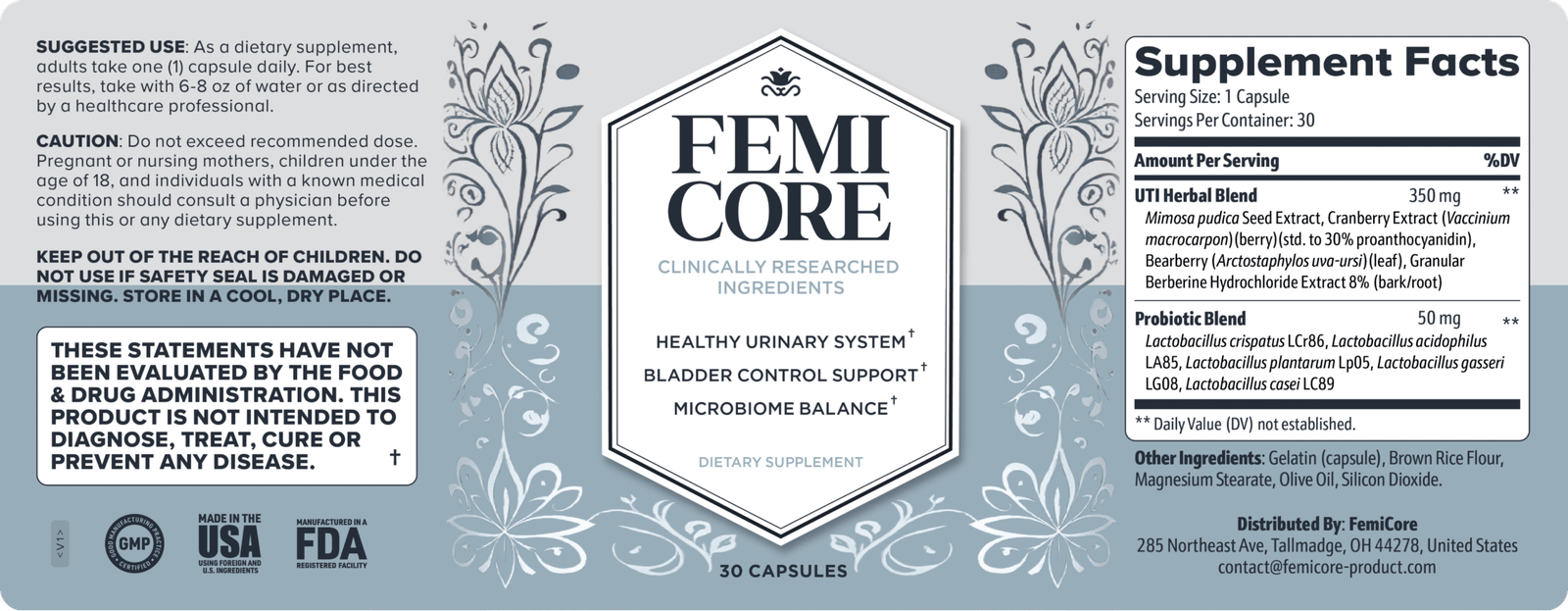
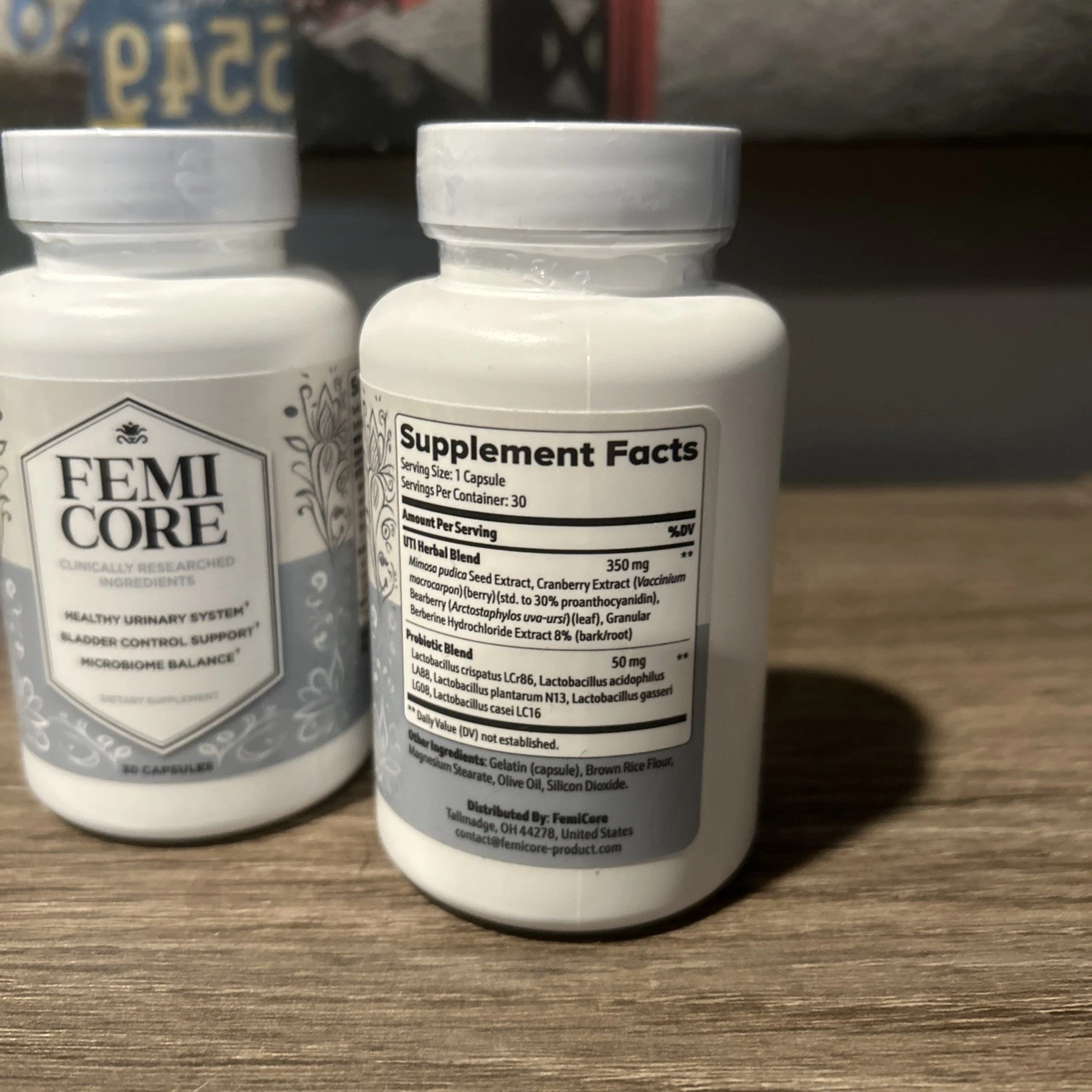
One appealing characteristic of FemiCore is its combination of several highlighted botanicals and probiotic organisms. Each has a different research background, making it important to examine them individually rather than treating the entire blend as scientifically proven.
🍃 Mimosa Pudica
Mimosa Pudica is a botanical traditionally used in several herbal-medicine systems. Researchers have investigated constituents of the plant for antioxidant, antimicrobial, and anti-inflammatory activities, primarily in laboratory and animal studies.
Its inclusion contributes to the botanical character of the formula. However, I found no convincing clinical evidence that oral Mimosa Pudica specifically reduces urinary urgency or restores bladder control in women. Traditional use and preliminary laboratory activity should not be interpreted as proof of effectiveness.
🍃 Bearberry
Bearberry, also called uva ursi, contains arbutin, a compound metabolized into substances eliminated through urine. This characteristic explains its historical association with urinary tract remedies.
Nevertheless, bearberry is not an established treatment for incontinence, and concentrated preparations warrant caution. Its suitability for repeated or prolonged consumption depends on the extract, dose, and individual circumstances. I would be particularly careful about using bearberry-containing products continuously without professional guidance.
🍃 Cranberry Extract
Cranberry is among the better-researched botanical ingredients associated with urinary tract wellness. Its proanthocyanidins may interfere with bacterial attachment, potentially reducing recurrent infections in selected populations.
This gives cranberry a reasonably grounded supporting role in a urinary wellness supplement. However, recurrent infection prevention and leakage control are different outcomes. The evidence does not demonstrate that cranberry extract directly strengthens pelvic muscles or resolves overactive bladder symptoms.
🍃 Granular Berberine
Berberine is a plant-derived alkaloid studied for metabolic effects and antimicrobial activity. Laboratory research suggests it can influence microbial processes, although findings from experimental environments cannot automatically predict human urinary outcomes.
My main concern is its interaction potential. Berberine may affect blood glucose and the handling of certain medications. Gastrointestinal reactions are also documented, making this ingredient more consequential from a safety perspective than its botanical positioning might suggest.
🍃 Lactobacillus Crispatus
Lactobacillus Crispatus is an important species associated with healthy vaginal microbial communities. Its ability to produce lactic acid can help maintain environmental conditions that discourage the growth of certain undesirable microorganisms.
This makes it especially relevant to feminine microbiome research. However, probiotic benefits are strain-specific, and evidence involving particular vaginally administered strains cannot automatically be transferred to every oral supplement containing the same species.
🍃 Lactobacillus Acidophilus
Lactobacillus Acidophilus is a familiar probiotic species used in digestive and women’s wellness products. Certain studied strains may support microbial balance and influence interactions between beneficial and potentially harmful organisms.
Its presence gives the formula broader probiotic coverage. Nevertheless, clinical effects depend on strain identification, viable organism counts, manufacturing quality, and the intended health outcome. Its inclusion alone does not establish a measurable improvement in bladder control.
🍃 Lactobacillus Plantarum
Lactobacillus Plantarum is associated with fermented foods and the human gastrointestinal environment. Selected strains have been examined for their capacity to influence gut microbial activity and immune signaling.
I view its inclusion as a potentially useful supporting feature rather than a directly established bladder treatment. Research on gastrointestinal outcomes does not necessarily translate into improved urinary continence, particularly when the exact strain and clinical indication differ.
🍃 Lactobacillus Gaseri
Lactobacillus Gaseri, more commonly written Lactobacillus gasseri, is another species associated with human microbial communities. Certain strains have been investigated for digestive, metabolic, and feminine health applications.
Its connection with the urogenital environment gives the formula some biological relevance. However, its ability to survive processing, reach relevant sites, and produce meaningful urinary benefits depends on details beyond the species name.
🍃 Lactobacillus Cassei
Lactobacillus Cassei appears to refer to Lactobacillus casei, a probiotic species widely studied in relation to digestive and immune functions. Selected strains can participate in interactions that help maintain microbial balance.
This ingredient broadens the product’s probiotic profile, but I would not interpret that as proof of urinary effectiveness. The exact identity should be confirmed against the physical Supplement Facts label, especially because probiotic benefits cannot reliably be inferred from species names alone.
Six Potential Benefits of FemiCore
The advertised benefits of FemiCore center on urinary wellness and microbiome support. I consider the following six features potentially relevant, while recognizing that their practical benefits depend on individual circumstances and have not all been established through finished-product trials.
⭐ 1. Supports a Microbiome-Focused Wellness Routine
The probiotic component offers a different approach from supplements centered exclusively on herbal extracts. Lactobacillus species are scientifically relevant to the broader study of women’s urogenital microbial communities.
For consumers specifically interested in microbiome wellness, this is a meaningful formulation characteristic. However, it remains uncertain whether this exact oral combination produces sustained changes in the urinary microbiome.
⭐ 2. Provides Botanical Urinary Tract Support
Cranberry and bearberry give the formulation an identifiable urinary wellness emphasis. Cranberry, in particular, has supporting research for reducing recurrent infections in certain women.
I consider this a reasonable complementary feature, provided expectations remain realistic. Neither ingredient should be relied upon to treat an active urinary infection or replace appropriate medical evaluation.
⭐ 3. May Complement a Broader Bladder Management Plan
The product’s daily format makes it possible to incorporate into a wider wellness routine. That routine may also include professionally recommended bladder training, pelvic floor exercises, and appropriate fluid management.
The important limitation is that combining established interventions with a supplement does not prove the supplement contributes additional clinical benefit. Any improvement should be assessed without automatically attributing it to the capsule.
⭐ 4. Offers Simple Once-Daily Convenience
One capsule each morning is an uncomplicated schedule compared with products requiring multiple administrations throughout the day.
I see convenience as a genuine practical advantage, particularly for people managing demanding routines. Consistent use is easier when instructions are straightforward, although simplicity has no direct bearing on clinical effectiveness.
⭐ 5. Combines Multiple Wellness Ingredients
Instead of emphasizing a single botanical, FemiCore brings together ingredients associated with different aspects of urinary and microbial wellness.
This may appeal to buyers who prefer a combination formula. Still, additional ingredients are not automatically better: interactions, tolerability, and the evidence supporting each component remain essential considerations.
⭐ 6. Includes Advertised Purchase Protection
The manufacturer’s 60-day money-back guarantee is a useful commercial feature for customers evaluating a supplement whose effects are uncertain.
In my view, this provides some purchasing reassurance when the applicable refund conditions are clearly understood. It does not eliminate medical risks or guarantee that the product will improve bladder symptoms.
FemiCore Bonuses



FemiCore Versus Typical Bladder Support Supplements
To understand the value proposition of FemiCore, I compared its advertised characteristics with common approaches used in women’s urinary wellness supplements.

| Comparison Factor | FemiCore | Typical Bladder Support Supplement |
|---|---|---|
| Formulation Focus | Combines botanicals and Lactobacillus probiotics | May focus on cranberry, pumpkin seed, or a smaller botanical blend |
| Primary Positioning | Urinary microbiome balance and bladder wellness | Often targets urinary tract wellness or bladder muscle support |
| Probiotic Component | Multiple highlighted Lactobacillus species | May contain no probiotics, or may focus exclusively on probiotics |
| Usage Convenience | One capsule each morning | Varies by product and serving instructions |
| Scientific Evidence | Related ingredient research; finished-formula effectiveness not established | Varies considerably; some specific formulations have clinical studies |
| Transparency | Species names and selected ingredients can be identified; exact strain and potency details require label verification | Some competitors publish strain identifiers, potency information, or ingredient standardization |
| Consumer Value | Depends on labeling, product suitability, and current package offers | Depends on formulation, quality controls, and cost per serving |
| Purchase Protection | Advertised 60-day money-back guarantee | Refund policies vary by manufacturer and retailer |
I appreciate the breadth of FemiCore’s microbiome-oriented formulation, but I would not automatically rank it above a simpler product supported by stronger clinical evidence.
For consumers primarily experiencing urgency or leakage, the most relevant comparison is not necessarily ingredient variety. It is whether a product has demonstrated benefits for their particular symptoms, with acceptable safety and reliable manufacturing standards.
My FemiCore Rating: An Editorial Assessment
My assessment of FemiCore gives considerable weight to its formulation concept, daily convenience, and advertised purchasing protections. I also factor in the limitations of available finished-product research.
Overall Editorial Rating: 4.6/5 — ★★★★½
| Rating Category | Score | My Assessment |
|---|---|---|
| Formulation Concept | 4.7/5 ★★★★½ | A focused combination of probiotics and botanicals with recognizable urinary wellness relevance |
| Ingredient Selection | 4.6/5 ★★★★½ | Includes several interesting components, although their evidence is not equally strong |
| Daily Convenience | 4.8/5 ★★★★★ | Straightforward once-daily instructions requiring minimal preparation |
| Consumer Protection | 4.6/5 ★★★★½ | The advertised 60-day guarantee is encouraging, provided the refund terms are followed |
| Overall Product Appeal | 4.3/5 ★★★★☆ | An interesting supplementary option, tempered by uncertainty about direct continence benefits |
Final Score: 4.6/5
This is my subjective editorial rating of the product proposition, not a clinical effectiveness score. I would assign substantially less certainty to any claim that the supplement reliably prevents bladder leakage without controlled testing of the finished formulation.
How to Take FemiCore Correctly
The manufacturer’s recommendation for FemiCore is straightforward: take one capsule every morning with a large glass of water.
I would follow the actual package instructions rather than increasing the serving size in an attempt to accelerate results. Supplements containing berberine and bearberry should not be treated as harmless simply because their ingredients originate from plants.
Anyone taking prescription medications, managing a chronic condition, or considering prolonged use should seek individualized advice. Tracking symptoms in a bladder diary may also help distinguish changes in urgency, frequency, and leakage from ordinary daily variation.
FemiCore Pros and Cons
After examining the formula and available research, I identified several strengths alongside limitations that prospective buyers should consider.
| Pros | Cons |
|---|---|
| Microbiome-oriented formulation: Addresses an emerging research area involving microbial communities and urinary wellness. | Limited finished-product evidence: I could not verify high-quality clinical trials demonstrating reduced leakage with this exact formula. |
| Multiple Lactobacillus species: Includes organisms relevant to feminine microbiome research. | Strain-specific uncertainty: Species names alone do not establish the effectiveness of the particular probiotic preparations used. |
| Cranberry inclusion: Contains an ingredient with evidence for reducing recurrent UTIs in selected populations. | Not suitable for everyone: Bearberry and berberine introduce safety considerations and possible medication interactions. |
| Convenient daily routine: Requires only one morning capsule according to the supplied directions. | Marketing overreach: Claims involving dioxins and prevention of involuntary leakage exceed what available clinical evidence establishes. |
| Combination approach: Integrates botanical and probiotic components in one product. | |
| Refund protection: Advertises a 60-day money-back guarantee for qualifying orders. |
I consider the formulation concept and convenience its clearest advantages. However, effectiveness for bladder leakage should not be inferred from the presence of familiar ingredients or from the overall editorial rating.
Possible Side Effects and Drawbacks
Like other multi-ingredient supplements, FemiCore may cause unwanted effects in some users. The likelihood and severity depend on individual sensitivity, ingredient exposure, existing conditions, and medication use.
Berberine has documented gastrointestinal adverse effects, including nausea, diarrhea, constipation, and abdominal discomfort. Probiotics can also produce temporary gas or bloating, particularly in sensitive individuals.
Bearberry deserves additional attention because its arbutin-related compounds have distinct safety considerations. Concentrated or prolonged exposure should not be assumed appropriate simply because the plant has a history of traditional use.
Allergic reactions are another possibility with botanical combinations. Anyone developing significant symptoms after taking the supplement should stop using it and seek appropriate medical advice.
Is FemiCore Safe for Regular Use?
My safety assessment of FemiCore is cautious. Several of its ingredients have established histories of dietary or supplement use, but that does not demonstrate that their exact combination is suitable for every consumer.
Pregnancy and breastfeeding are important exclusions, particularly because berberine is not recommended during these periods. People with kidney or liver conditions should also obtain professional guidance before considering supplements containing bearberry.
I would additionally verify the physical product label, manufacturing information, and recommended use period before making long-term use decisions. Dietary supplements are not FDA-approved treatments for urinary incontinence, and a product’s marketing claims should never substitute for individualized safety evaluation.
Medication Interactions and Important Precautions
Medication compatibility is an important consideration with FemiCore, especially because the formula includes berberine.
Berberine can interact with certain prescription medications, including cyclosporine, and may influence blood glucose control. People using diabetes medication should be particularly careful about combining products without medical supervision.
Anyone taking anticoagulants, immunosuppressants, or multiple long-term medications should also request a professional interaction review. The absence of a documented interaction for a specific combination does not guarantee compatibility.
Who Might Consider FemiCore and Who Should Avoid It?
I believe FemiCore is most appropriately considered by adults interested in complementary urinary wellness support, rather than people seeking an independently proven treatment for incontinence.
Potentially suitable users include:
- Adults interested in microbiome wellness: Consumers who understand that microbial balance is a developing area of research and that the finished product’s benefits remain uncertain.
- People preferring convenient supplements: Those who value a simple daily capsule over complicated preparation or multiple daily servings.
- Consumers building a broader wellness routine: Individuals who have discussed their urinary symptoms with a clinician and want to explore suitable supplementary options.
People who should avoid it or obtain medical advice include:
- Pregnant or breastfeeding individuals: Berberine introduces significant safety concerns during these periods.
- People taking interacting medications: Particularly those using cyclosporine, glucose-lowering medication, or complex prescription regimens.
- Individuals with kidney or liver conditions: Bearberry-containing formulas require additional caution.
- Anyone with unexplained urinary symptoms: Blood in urine, fever, painful urination, inability to urinate, or suddenly worsening leakage warrants medical assessment rather than self-treatment.
What I Didn’t Like About FemiCore
Although I find the formulation interesting, my investigation uncovered several issues that deserve attention before purchasing FemiCore.
- The dioxin explanation lacks convincing clinical support. The marketing narrative suggests a specific toxin-related mechanism for bladder leakage, but I could not verify clinical evidence showing that this is a general cause of incontinence or that the supplement corrects it.
- Species identification is not the same as strain verification. I would prefer readily accessible probiotic strain identifiers, viable counts, and product-specific stability information. Without independently verifying the complete label, I cannot determine how fully these details are disclosed.
- Safety deserves more emphasis than promotional language often provides. Berberine and bearberry are biologically active compounds, and I would like consumers to be especially attentive to interactions and prolonged use.
These limitations do not automatically make the product unsuitable, but they influence how confidently I would interpret its advertised outcomes.
Is FemiCore a Scam or a Legitimate Supplement?
Based on the advertised ingredients, capsule format, usage directions, and refund policy, FemiCore presents the basic characteristics of a commercially marketed dietary supplement. I found insufficient evidence to label it fraudulent. However, multiple websites use FemiCore-related branding, so I would verify the seller’s identity, checkout details, and applicable refund policy rather than assuming every promotional page represents the same authorized business.
My larger reservation concerns the distinction between plausible ingredients and proven performance. Some components have legitimate research backgrounds, but that does not validate all the manufacturer’s assertions about dioxins, microbiome restoration, or leakage prevention. I therefore regard FemiCore as an interesting supplementary wellness proposition whose strongest treatment-oriented claims remain unverified, rather than as an established medical solution.
FemiCore Customer Reviews and Complaints
The online promotional material surrounding FemiCore includes favorable product descriptions and testimonial-style claims. However, I could not independently authenticate a representative collection of verified-purchase reviews sufficient to establish reliable satisfaction rates or consistent outcomes.
I also could not verify a dependable pattern of independent complaints attributable to confirmed purchasers of the exact formulation. Therefore, I would avoid repeating anonymous success stories as facts or presenting an invented customer rating. For prospective buyers, independently verifiable purchase experiences, transparent seller information, and actual refund handling would be more persuasive than promotional testimonials alone.
Amazon Alternatives Worth Comparing
Anyone considering FemiCore may also want to evaluate established urinary wellness products that have been offered through Amazon. Availability and product listings can change, so current stock and seller authenticity should be checked before ordering.
AZO Bladder Control with Go-Less uses pumpkin seed and soy germ extracts rather than emphasizing a multi-species probiotic combination. Its formulation is marketed toward occasional urgency and leakage, making it a more directly bladder-function-oriented comparison. Consumers should still review the evidence for the specific formulation and its labeled directions.
Culturelle Women’s 4-in-1 Protection emphasizes vaginal, urinary, digestive, and immune wellness through selected probiotics and prebiotic ingredients. It may interest consumers whose priorities extend beyond bladder control to broader feminine microbiome support.
Uqora Promote is another probiotic-focused option associated with feminine microbiome wellness. Compared with FemiCore, its narrower probiotic orientation may suit consumers who prefer avoiding a larger combination of botanical ingredients.
I would compare these alternatives using ingredient labels, strain identification, individual suitability, and credible clinical evidence rather than relying solely on marketing claims.
FemiCore 60-Day Money-Back Guarantee

The advertised 60-day refund policy is one of the more appealing commercial features of FemiCore. It provides a defined period during which eligible customers can request a refund if dissatisfied.
Product sales material describes returning all bottles, including opened or empty bottles, along with the packing slip. However, refund instructions and qualifying conditions should be checked against the actual terms attached to the seller and order.
I would retain the purchase confirmation, packaging, and correspondence until the refund period has expired. Shipping deductions, return deadlines, and other restrictions should never be assumed absent without verifying the checkout agreement.
The advertised guarantee should be treated as purchase protection through the applicable seller, not as proof that results are guaranteed. Customers purchasing through unrelated marketplaces or unauthorized resellers should not assume identical protection.
Frequently Asked Questions About FemiCore
1. Does FemiCore Actually Stop Bladder Leakage?
FemiCore is marketed for bladder and urinary wellness, but I could not verify controlled clinical trials demonstrating that the complete formula reliably stops leakage. Its ingredients offer a plausible research-based rationale for certain aspects of urinary health, not proof of continence improvement.
Persistent leakage should be evaluated according to its underlying cause because different types of incontinence respond to different treatments.
2. How Long Does FemiCore Take to Work?
There is no independently established treatment timeline for the finished formulation. Promotional expectations about microbiome restoration should not be treated as clinically proven milestones.
Anyone choosing to use the supplement should follow the labeled directions, monitor symptoms, and avoid delaying medical assessment while waiting for an uncertain benefit.
3. Can FemiCore Treat a Urinary Tract Infection?
No reliable evidence establishes this product as a treatment for an active urinary tract infection. Although cranberry products may reduce recurrent infection risk in certain populations, they do not replace antibiotics when antibiotics are medically indicated.
Burning urination, fever, flank pain, or blood in urine warrants prompt medical attention rather than reliance on a supplement.
4. Can I Take FemiCore Every Day?
The manufacturer recommends one capsule daily. However, the appropriateness of prolonged use requires additional consideration because the formula includes bearberry and berberine.
I would not assume indefinite daily supplementation is suitable without reviewing the complete label and discussing relevant medical conditions or medications with a qualified professional.
5. Is FemiCore Suitable During Menopause?
The product is marketed toward women who may experience urinary changes, including concerns that can arise around menopause. Hormonal changes may influence pelvic tissues and microbial communities, but that does not establish this supplement as a treatment for menopause-related incontinence.
A clinician can help identify whether pelvic floor therapy, local hormonal treatment, bladder training, or another intervention is appropriate.
6. Can FemiCore Be Combined With Other Probiotics?
Combining probiotic products may increase exposure to overlapping microorganisms without necessarily improving results. Extra supplementation can also contribute to digestive discomfort in some individuals.
I would compare the specific strains and serving information before combining products, especially for anyone with significant medical conditions or impaired immunity.
7. Is FemiCore FDA Approved?
Dietary supplements are not FDA-approved for effectiveness before marketing in the way prescription medications are. I found no basis for describing FemiCore as an FDA-approved treatment for bladder leakage.
Manufacturing or regulatory compliance claims should be evaluated separately from evidence that the supplement actually produces its advertised clinical outcomes.
8. Where Can I Buy Genuine FemiCore?
FemiCore is promoted through online sales pages, including sites that describe themselves as official sellers. Because multiple similar domains appear in search results, I recommend confirming the merchant’s identity, contact information, checkout security, and refund terms.
The official website link supplied for this review provides a starting point for examining current offers, but buyers should still verify the seller and purchase agreement.
My Final Verdict on FemiCore
After investigating the formulation, I believe FemiCore has an interesting position within the women’s urinary wellness category. Its combination of cranberry, selected botanicals, and multiple Lactobacillus species reflects growing interest in the relationship between microbial communities and urogenital health. The simple dosing instructions and advertised refund protection contribute to its consumer appeal, supporting my 4.6/5 editorial assessment of the overall product proposition.
Nevertheless, the distinction between a plausible supplement concept and demonstrated bladder-control effectiveness remains essential. The strongest scientific support concerns certain individual ingredients and observational microbiome research, not proof that this finished supplement prevents involuntary leakage. I also consider medication interactions, the use of bearberry, and unsupported dioxin-related explanations important limitations. Women with persistent urinary symptoms should prioritize an appropriate diagnosis and established treatment options.
Ultimately, I see this formula as a possible complementary wellness choice for carefully selected adults who understand its limitations. I would compare the complete product label, review personal medication risks, and confirm the seller’s refund conditions before purchasing. For readers interested in exploring the formulation and current package options, FemiCore is worth examining with informed, realistic expectations rather than promises of guaranteed results.

Medical Disclaimer and Affiliate Disclosure
This review provides general educational information and does not constitute medical advice, diagnosis, or treatment. Consult a qualified healthcare professional about urinary symptoms, supplement safety, and medication interactions. Individual responses may vary.
This article contains affiliate links. If you purchase through these links, I may earn a commission at no additional cost to you. The editorial rating reflects my assessment and is not a verified clinical or customer effectiveness score.
References
- Shaker, P., et al. (2025). The Role of Urinary Microbiome Analysis in the Diagnostic Approach and Management of Urinary Incontinence: A Systematic Review. Reviews associations between microbial patterns and urinary incontinence while identifying important limitations in causal evidence.
https://pubmed.ncbi.nlm.nih.gov/40003717/ - National Center for Complementary and Integrative Health (NCCIH). Cranberry: Usefulness and Safety. Summarizes research on cranberry products, recurrent urinary tract infection prevention, and limitations of existing evidence.
https://www.nccih.nih.gov/health/cranberry - National Center for Complementary and Integrative Health (NCCIH). In the News: Berberine. Explains berberine’s investigated effects, documented adverse reactions, medication interactions, and pregnancy-related safety concerns.
https://www.nccih.nih.gov/health/in-the-news/berberine - National Institute of Diabetes and Digestive and Kidney Diseases (NIDDK). Treatments for Bladder Control Problems (Urinary Incontinence). Describes established treatment approaches, including pelvic floor exercises, bladder training, lifestyle measures, and medical interventions.
https://www.niddk.nih.gov/health-information/urologic-diseases/bladder-control-problems/treatment - National Institute for Health and Care Excellence (NICE). Urinary Incontinence and Pelvic Organ Prolapse in Women: Management. Provides evidence-based clinical recommendations for assessing and managing urinary incontinence, including first-line behavioral treatments.
https://www.nice.org.uk/guidance/ng123/chapter/recommendations